Spiders
Explore the world of spiders, from anatomy and web-building to hunting strategies and common myths. These quizzes help you recognize key traits, understand behavior, and learn how spiders fit into ecosystems.
Quizzes

What you'll find here
- Curated quizzes focused on Spiders
- Difficulty spread from easy to hard
- Randomized questions with instant feedback
- Quizzes you can replay and compare on the leaderboard
Category FAQ
How many quizzes are available?
There are 3 quizzes with 345 questions total.
Are these spider quizzes timed?
No. Each question has 4 options and there is no timer, so you can take your time.
What topics do the spider questions cover?
They cover anatomy, behavior, webs and silk use, habitats, and common myths about spiders.
Do the quizzes include different difficulty levels?
Yes. The set includes a mix of easier and more challenging questions, and quiz lengths can vary.
Will I learn how spiders differ from insects?
Yes. Many questions highlight arachnid traits such as two body sections and eight legs versus insect features.
More to explore
What you’ll learn about spiders
These spider quizzes focus on identification clues, body parts, behavior, habitats, and how spiders differ from insects.
You’ll practice spotting common misconceptions (like which species are actually dangerous) and understanding why spiders are important predators in many ecosystems.
How the quizzes work
Each question comes with 4 answer options and there’s no timer, so you can read carefully and learn as you go.
Difficulty and length vary across the set, with a mix of quicker checks and longer runs to help you build confidence step by step.
Spider facts and context
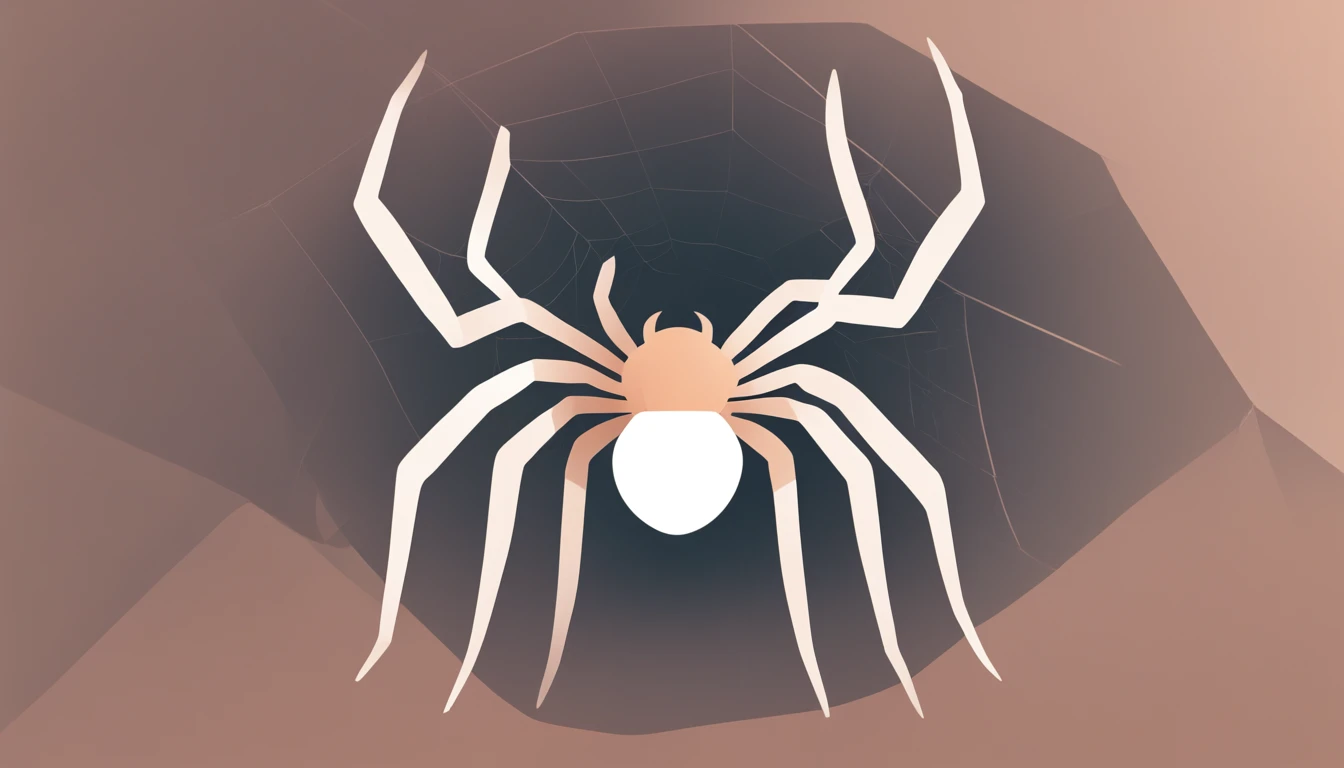
Spiders are arachnids, not insects: they have two main body sections and typically eight legs, and many species use silk for more than just webs.
Silk can be used for egg sacs, safety lines, and even ballooning - where tiny spiders ride air currents to spread to new areas.
Tips for better scores
- Look for key anatomy terms like cephalothorax, abdomen, and spinnerets
- Use habitat clues (indoors, gardens, forests, deserts) to narrow options
- Remember that venom is common, but medically significant bites are rare
- Pay attention to web types: orb, funnel, sheet, or no web at all
- Separate “spider look-alikes” from true spiders by counting legs and body segments