Memory Techniques
Build stronger recall with practical memory techniques you can use for studying, work, and daily life. These quizzes focus on strategies like mnemonics, spaced repetition, and active recall, helping you choose the right method for different types of information.
Quizzes

What you'll find here
- Curated quizzes focused on Memory Techniques
- Difficulty spread from easy to hard
- Randomized questions with instant feedback
- Quizzes you can replay and compare on the leaderboard
See this category in other languages
Category FAQ
How many quizzes are available?
There are 3 quizzes with 339 questions total.
Do these quizzes teach active recall and spaced repetition?
Yes. You’ll answer questions about when and how to use active recall, spaced repetition, and related study strategies.
How are the quiz questions structured?
Each question has 4 options, and there is no timer, so you can focus on understanding the best technique.
Are the quizzes suitable for beginners?
Yes. The set includes foundational concepts and more applied items, so you can start simple and build up.
Will I learn mnemonics and memory palace basics here?
You’ll practice identifying and applying mnemonic-style methods, including imagery-based approaches commonly used in memory training.
More to explore
What you’ll practice
These Memory Techniques quizzes help you recognize and apply methods that improve recall, retention, and learning efficiency.
You’ll practice matching techniques to scenarios - like remembering lists, names, formulas, or large topics - so the strategy becomes easier to use in real study sessions.
How the quizzes work
Each quiz question has 4 answer options and there’s no timer, so you can think through the technique and the reasoning behind it.
Difficulty and length vary across the set: some quizzes focus on core definitions and examples, while others include more applied questions that require choosing the best approach.
Helpful context and tips
Many popular techniques work because they leverage how memory is organized: meaning, repetition over time, and retrieval practice generally beat rereading or cramming.
- Identify whether the task needs short-term recall (e.g., a list) or long-term retention (e.g., exam content)
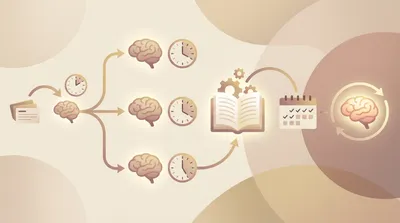
- Use spaced repetition to schedule reviews before you forget
- Prefer active recall (testing yourself) over passive review
- Create mnemonics or vivid imagery for hard-to-remember sequences
- Interleave topics to improve discrimination between similar ideas
- Keep notes short and testable to make practice easier