Fashion History
Explore how clothing and style evolved across eras, from court dress and couture to streetwear and modern trends. These quizzes focus on key designers, iconic garments, and the social forces that shaped what people wore.
Quizzes
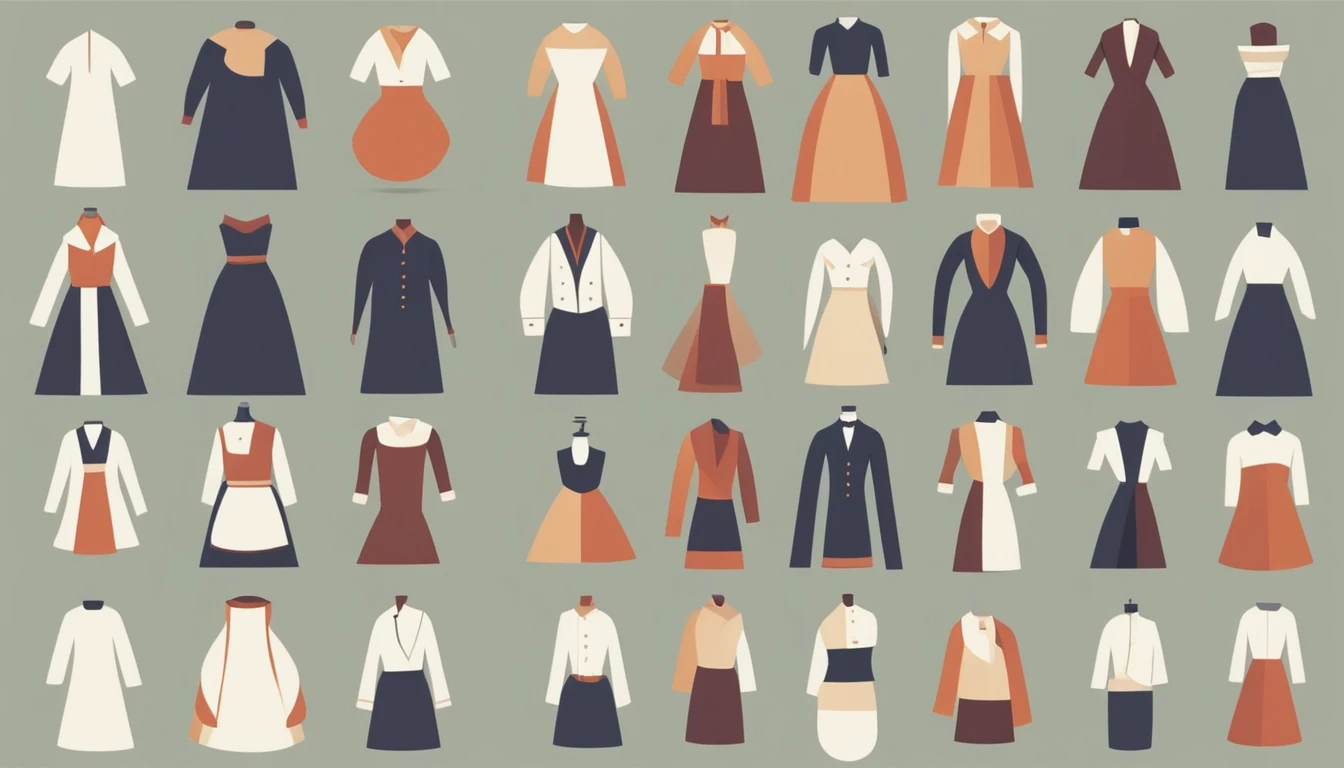

What you'll find here
- Curated quizzes focused on Fashion History
- Difficulty spread from easy to hard
- Randomized questions with instant feedback
- Quizzes you can replay and compare on the leaderboard
See this category in other languages
Category FAQ
How many quizzes are available?
There are 3 quizzes with 357 questions total.
Do these Fashion History quizzes have a timer?
No. There’s no timer, so you can answer at your own pace.
How are the questions formatted?
Each question is multiple-choice with 4 options.
Are the quizzes suitable for beginners?
Yes. Quiz difficulty and length vary, so you can start with easier sets and progress to harder ones.
What topics are covered in Fashion History?
Expect questions on major eras, iconic garments, influential designers, and the cultural forces that shaped fashion trends.
More to explore
What you’ll learn in Fashion History
These quizzes help you practice recognizing major fashion eras, signature silhouettes, and the people and events that influenced what became “in style.” You’ll also review terminology for garments, fabrics, and design details that often define a period.
How the quizzes work
Each question has 4 answer options and there’s no timer, so you can focus on careful reading and pattern-spotting. Quizzes vary in difficulty and length, making it easy to start with broad overviews and move toward more specific topics as you improve.
Quick context: why fashion changes
Fashion history reflects technology, trade, politics, and social norms - new dyes, industrial production, and shifting ideas about gender and status all leave visible marks on clothing. Even small changes (like a waistline rising or a hemline shortening) can signal bigger cultural shifts.
Tips for better scores
- Look for silhouette clues (waist placement, sleeve shape, skirt volume)
- Connect designers and houses to their signature innovations
- Use timeline anchors (wars, industrialization, youth culture movements)
- Separate “revival” trends from original periods they reference
- Pay attention to materials and production methods tied to each era