World Regions
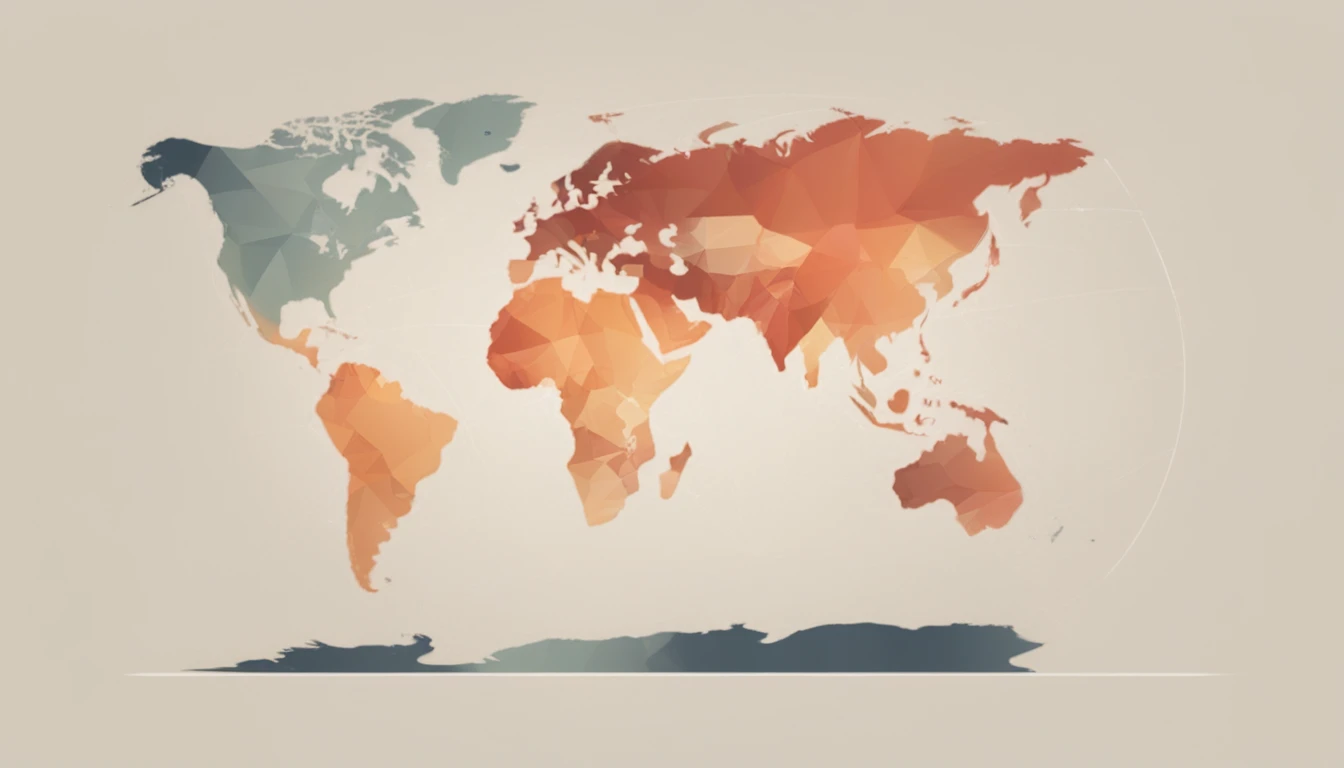
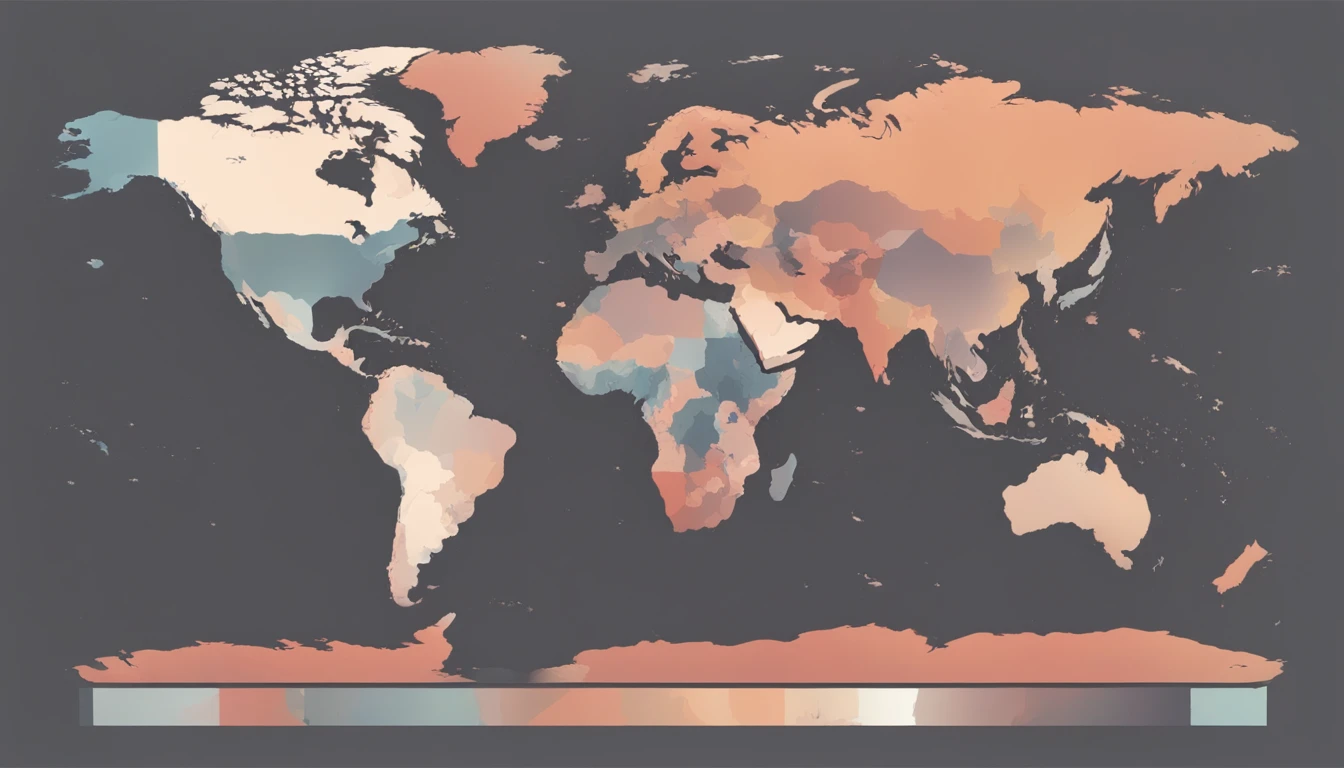
Explore how the world is divided into major regions and how countries, cultures, and landscapes connect across continents. These quizzes help you practice regional geography, map awareness, and common regional groupings used in school and general knowledge.
Quizzes

What you'll find here
- Curated quizzes focused on World Regions
- Difficulty spread from easy to hard
- Randomized questions with instant feedback
- Quizzes you can replay and compare on the leaderboard
See this category in other languages
Category FAQ
How many quizzes are available?
There are 3 quizzes with 333 questions total.
What topics do World Regions quizzes cover?
They cover major global regions and common ways countries are grouped within them, helping you improve map and region recognition.
How are the quiz questions formatted?
Each question has 4 options to choose from, and there is no timer.
Are these quizzes timed?
No. You can answer at your own pace without a countdown.
Do quizzes get harder or longer?
Yes. Quizzes can vary in difficulty and length, so you can progress from broad regions to more detailed regional groupings.
More to explore
What you’ll practice
These World Regions quizzes focus on identifying and comparing major global regions and the countries commonly grouped within them. You’ll build confidence with regional labels used in geography, news, and travel.
How the quizzes work
Each question has 4 answer options, and there’s no timer, so you can think through maps, country placements, and regional boundaries at your own pace. Quizzes vary in length and difficulty, letting you start with broad regions and move toward more detailed groupings.
Helpful context about world regions
“World regions” aren’t always defined the same way - regional groupings can change based on culture, politics, economics, or physical geography. For example, the Middle East, the Caucasus, and Central Asia may be grouped differently depending on the source.
Tips for better scores
- Start by anchoring yourself with continents, then learn subregions within each.
- Use seas, mountain ranges, and deserts as natural boundary clues.
- Watch for similar country names and nearby capitals that can confuse choices.
- Practice neighboring-country logic: eliminate options that are far from the region.
- Revisit missed questions to spot patterns in regional groupings.