Human Body
Explore how the human body works, from major organs to body systems and basic anatomy. These quizzes help you review key terms, functions, and everyday health-related concepts in a clear, question-by-question format.
Quizzes

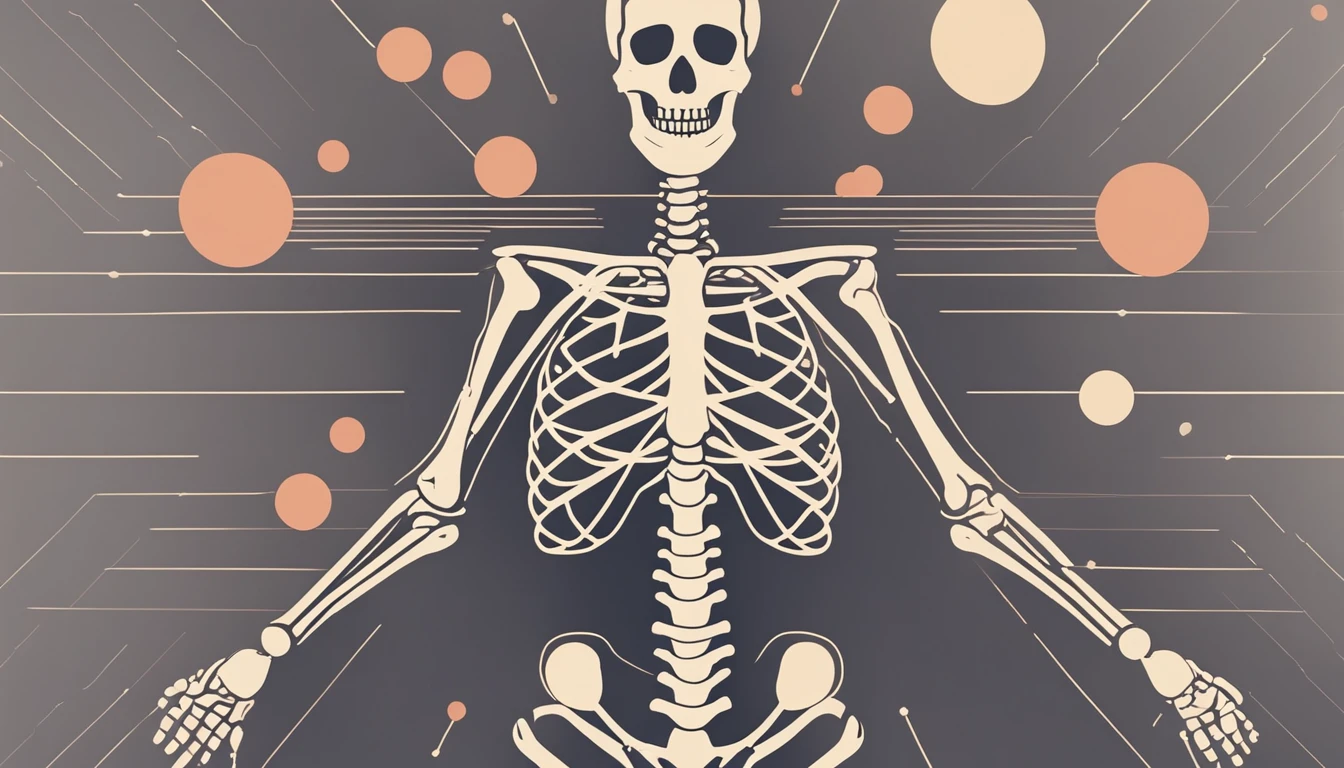
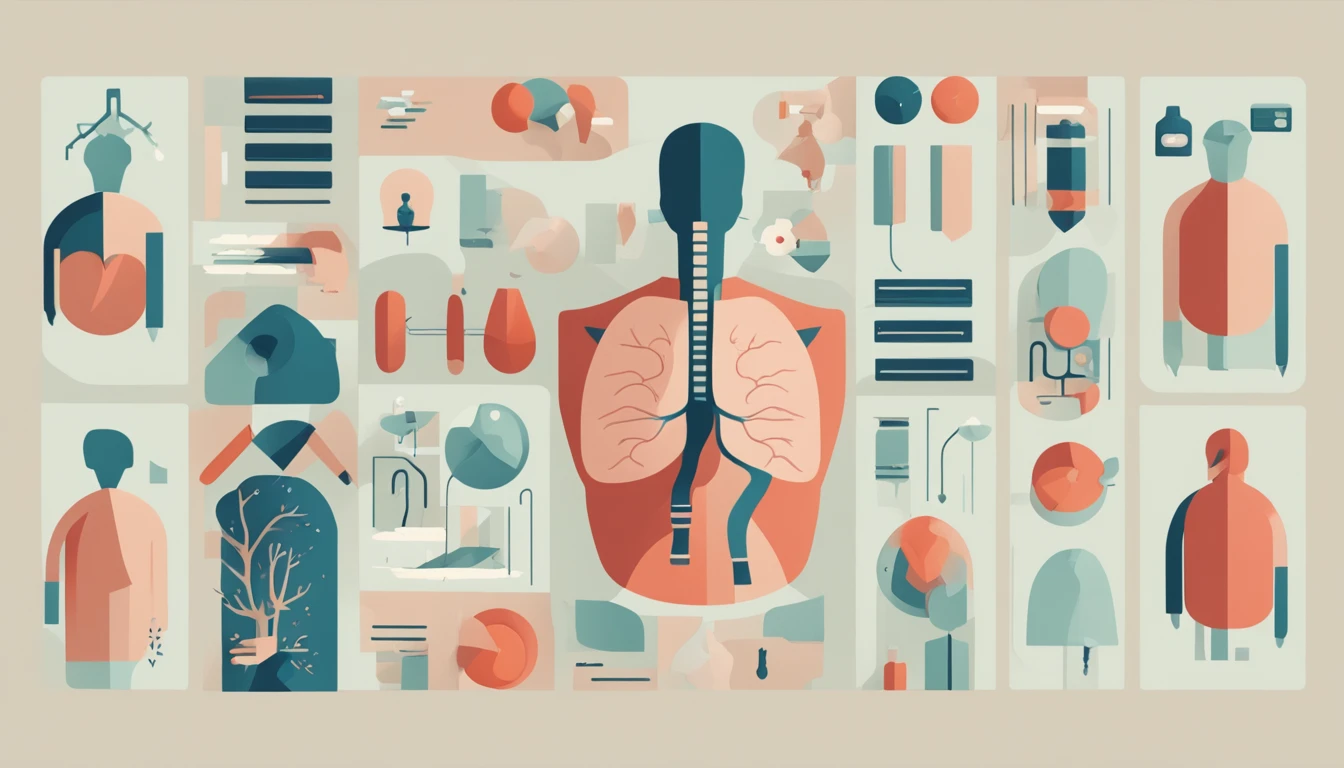
What you'll find here
- Curated quizzes focused on Human Body
- Difficulty spread from easy to hard
- Randomized questions with instant feedback
- Quizzes you can replay and compare on the leaderboard
See this category in other languages
Category FAQ
How many quizzes are available in Human Body?
There are 3 quizzes with 323 questions total.
What topics do the Human Body quizzes cover?
They cover basic anatomy and physiology, including organs, body systems, and key terms related to how the body functions.
How are the questions formatted?
Each question is multiple-choice with 4 options, and you select the best answer.
Is there a time limit on these quizzes?
No. There’s no timer, so you can work through the questions at your own pace.
Are the quizzes suitable for different difficulty levels?
Yes. The set includes quizzes that vary in difficulty and length, so you can choose a quicker review or a more in-depth challenge.
More to explore
What you’ll practice
These Human Body quizzes focus on core anatomy and physiology, including organ functions, body systems, and common biological terms you’ll see in school and health contexts.
You’ll practice connecting structures to their roles (for example, which organ produces a substance, or which system controls a function) and distinguishing similar-sounding parts with clear definitions.
How the quizzes work
Each question has 4 answer options and there’s no timer, so you can think through each choice and learn at your own pace.
Quizzes vary in length and difficulty, so you can start with a quick review set and move to longer, more detailed questions as you get comfortable.
Helpful context and study tips
A useful way to study the human body is to group facts by system (circulatory, respiratory, nervous, digestive) and then link each system to its main organs and jobs.
Interesting fact: your skin is the body’s largest organ, and it plays multiple roles at once - protection, temperature regulation, and sensation - making it a good example of how one structure can support several body systems.
- Review by body system first, then drill down to organs and tissues
- Pay attention to function words (filters, pumps, secretes, signals) in questions
- Use process order to help (e.g., airflow path or digestion steps)
- Watch for look-alike terms (vein vs artery, cerebrum vs cerebellum)
- Re-take quizzes to reinforce weak areas and improve recall