Colonialism And Decolonization
Explore how empires expanded, governed, and extracted resources - and how colonized peoples resisted and won independence. These quizzes cover key events, ideas, and turning points in colonialism and decolonization across regions and centuries.
Quizzes
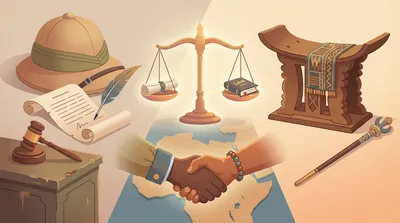
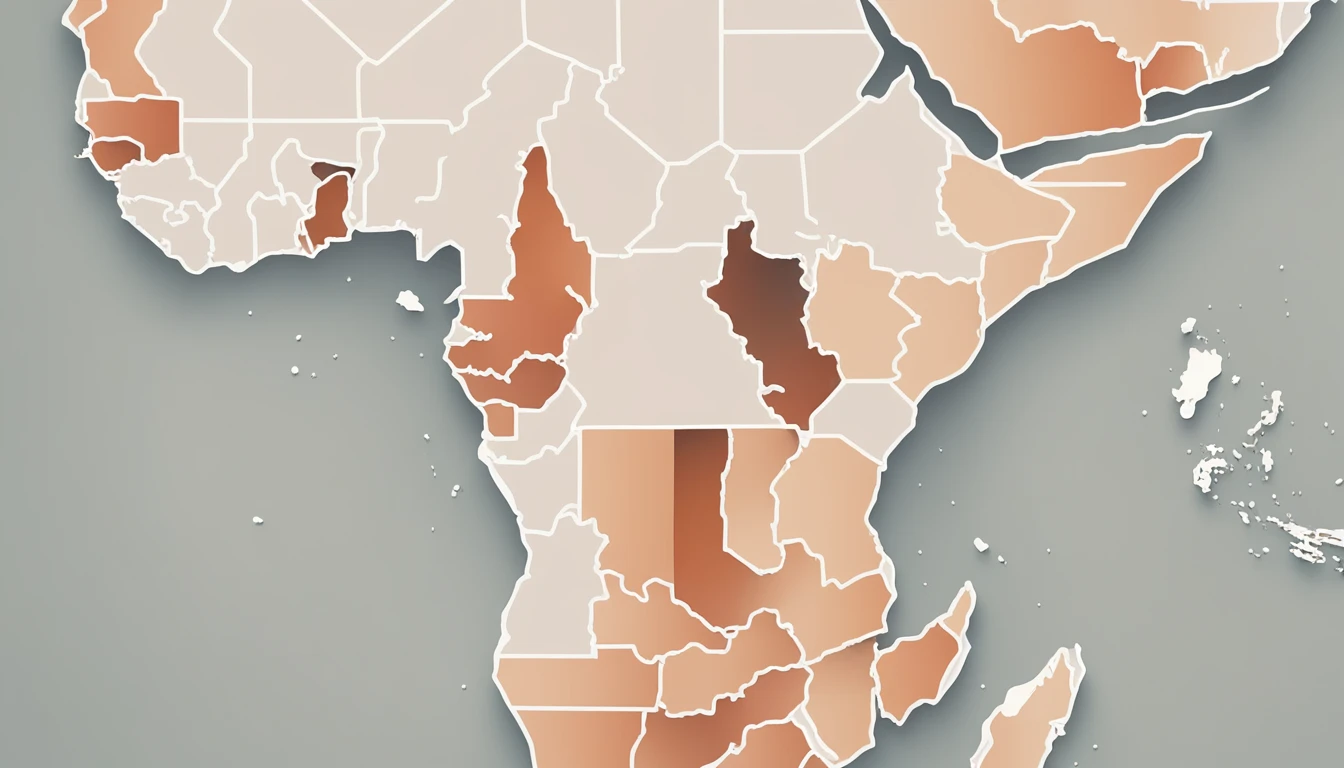

What you'll find here
- Curated quizzes focused on Colonialism And Decolonization
- Difficulty spread from easy to hard
- Randomized questions with instant feedback
- Quizzes you can replay and compare on the leaderboard
Category FAQ
How many quizzes are available?
There are 3 quizzes with 346 questions total.
What topics are covered in Colonialism and Decolonization?
You’ll cover imperial expansion, systems of colonial rule, resistance movements, and the political processes that led to independence.
How are the quiz questions formatted?
Each question is multiple-choice with 4 options, and there is no timer.
Are the quizzes all the same difficulty and length?
No. The 3 quizzes vary in length and difficulty, so you can mix quick practice with more detailed review.
Do these quizzes help with exam revision?
Yes. They’re useful for checking key dates, leaders, concepts, and cause-and-effect links across colonialism and decolonization.
More to explore
What you’ll practice
These quizzes help you connect major colonial empires, local experiences, and the political paths to independence. You’ll review causes, methods of rule, resistance movements, and the legacies that shaped modern states.
How the quizzes work
Each question has 4 answer options and there’s no timer, so you can focus on careful reading and recall. Quiz difficulty and length vary across the set, letting you practice both quick review and deeper coverage of events, leaders, and concepts.
Key themes to know
- Motives for expansion (trade, resources, strategic routes, ideology)
- Forms of control (settler colonies, indirect rule, protectorates)
- Resistance and nationalism (uprisings, parties, mass movements)
- Decolonization pathways (negotiation, war, partition, referendums)
- Post-independence challenges (borders, governance, economic dependence)
Historical context and interesting facts
Decolonization accelerated after World War II as European powers weakened and international norms shifted toward self-determination, including debates in the United Nations. In many places, colonial borders - often drawn with limited regard for local politics - became the starting point for new states, influencing later conflicts and nation-building.
Tips for improving your score
After each attempt, note which terms or regions you miss and revisit them before retrying. Aim to explain each correct answer in one sentence (who/what/when/why) to strengthen long-term recall.