European History
Explore key events, people, and turning points that shaped Europe from antiquity to the modern era. These quizzes cover major eras, conflicts, political changes, and cultural movements across the continent, helping you connect timelines, causes, and consequences with clear, focused questions.
Quizzes
The European Union: milestones and treaties
Causes of World War I
The Napoleonic Wars: Europe reshaped
The French Revolution: key phases
The Renaissance: artists and patrons
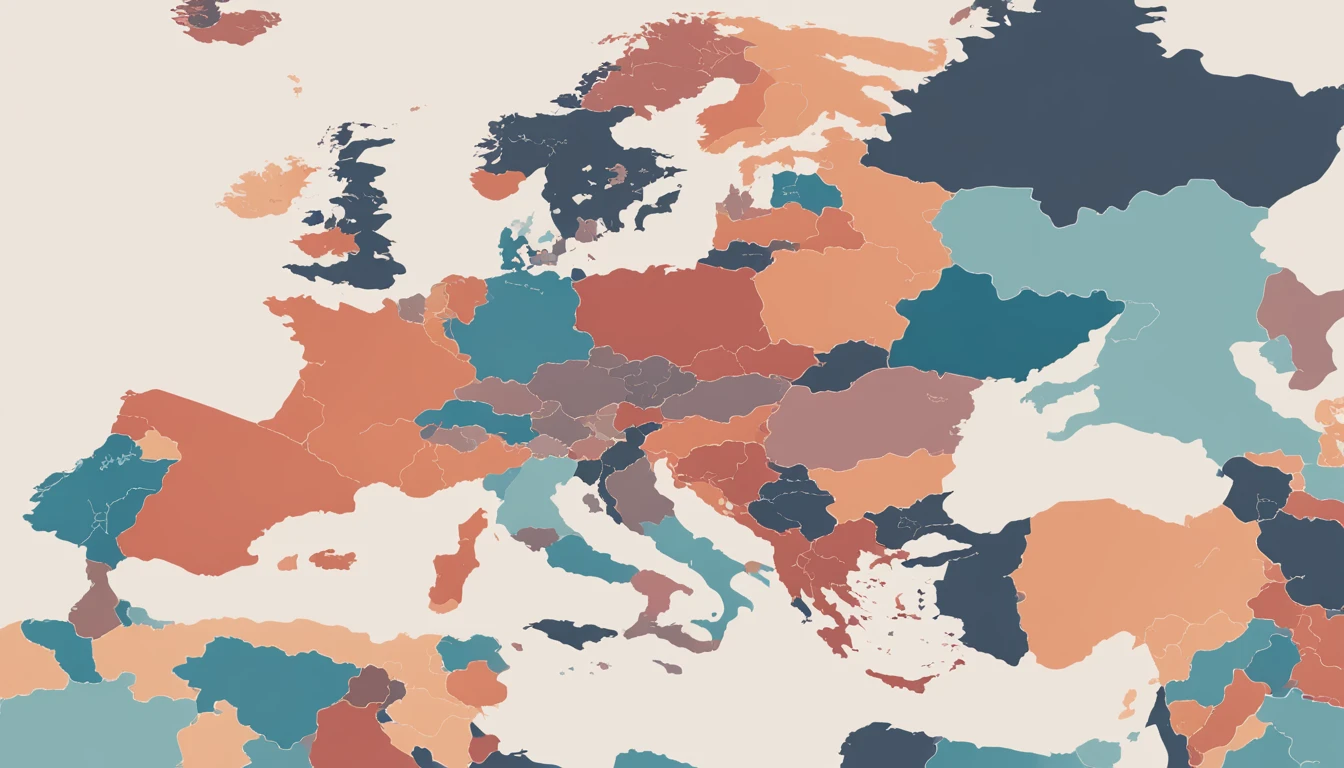
The Cold War: divided Europe
The Middle Ages: feudalism and towns
The Roman Empire: major emperors
The Industrial Revolution: Europe’s changes
The Reformation: doctrines and leaders
What you'll find here
- Curated quizzes focused on European History
- Difficulty spread from easy to hard
- Randomized questions with instant feedback
- Quizzes you can replay and compare on the leaderboard
See this category in other languages
Category FAQ
How many quizzes are available?
There are 10 quizzes with 1724 questions total.
Are these European History quizzes timed?
No. Each question has 4 options and there is no timer, so you can work at your own pace.
What topics do the quizzes cover in European History?
They cover major eras, wars, political changes, cultural movements, and key people across European history.
Do the quizzes include different difficulty levels or lengths?
Yes. Quiz difficulty and length vary, so you can pick shorter practice sets or longer, more detailed quizzes.
Will I see the same questions every time?
Across 10 quizzes and 1724 questions total, you’ll have plenty of variety, and repeating attempts helps reinforce weak areas.
More to explore
What you’ll practice in European History
These European History quizzes help you review timelines, major leaders, wars, revolutions, and the political ideas that transformed states and borders over centuries.
You’ll also practice linking cause and effect - how economic pressures, religion, technology, and diplomacy shaped decisions and outcomes across different regions of Europe.
How the quizzes work
Each quiz uses multiple-choice questions with 4 options and no timer, so you can focus on accuracy and learning rather than speed.
Difficulty and length vary by quiz, letting you choose quick refreshers or longer sets that go deeper into specific eras and themes.
Helpful context and quick facts
European history is often told through shifting borders and alliances: the same city or region may appear under different states across time, which makes maps and dates especially important for understanding continuity and change.
- Identify key dates and sequences (e.g., revolutions, treaties, dynasties)
- Match leaders, thinkers, and movements to their ideas and impact
- Recognize major conflicts and their outcomes for borders and power
- Interpret terms like feudalism, mercantilism, nationalism, and détente
- Compare eras by themes such as religion, industry, and diplomacy
Tips for getting more from each attempt
After finishing a quiz, revisit missed questions to spot patterns - common mix-ups include similar treaty names, repeated royal titles, and overlapping wars.
If you’re studying for a class or exam, alternate between broad surveys and focused quizzes to strengthen both overview knowledge and detail recall.