Axis strategy in early 1940–41
Test your knowledge of Axis strategy during the pivotal early 1940–41 period, from grand planning to on-the-ground decisions. Questions span multiple theaters and the political-military tradeoffs that...
Start Quiz
Pick a difficulty and question count to begin.
About this quiz
What this quiz covers
Axis strategy in early 1940–41 sits at the crossroads of ambition, logistics, and coalition politics. This quiz checks how well you can connect decisions to outcomes across Europe, the Mediterranean, and beyond.
Each question has 4 options and there’s no timer, so you can think through context instead of rushing. Before you start, pick your question count and difficulty - go shorter for a quick refresher, or longer/mixed for broad coverage.
Skills you’ll practice
You’ll practice identifying strategic objectives, recognizing constraints (fuel, shipping, production, terrain), and spotting how alliances and command structures influenced choices.
- Distinguishing strategy vs. operations vs. tactics in 1940–41 examples
- Linking major decisions to likely motivations and tradeoffs
- Comparing theaters (West, Balkans, North Africa, Atlantic) without mixing timelines
- Reading cause-and-effect: logistics, air/sea power, and political aims
- Avoiding “single-cause” explanations when multiple pressures applied
Common pitfalls and difficulty balance
A frequent trap is confusing dates and theaters - especially when similar operations overlap or when political decisions lag behind military plans. Another common miss is overestimating what was possible given supply, shipping, and coordination limits.
Difficulty is balanced by mixing straightforward recall (leaders, campaigns, objectives) with interpretation questions that ask you to weigh constraints and intentions. Mixed mode blends easier anchors with tougher judgment calls, so you can build confidence while still being challenged.
Sample questions
What was the primary goal of the Axis powers in early 1940?
- A.To expand territory in Europe
- B.To negotiate peace with Allies
- C.To establish a global currency
- D.To create a new League of Nations
Which country did Germany invade in April 1940, marking the beginning of its campaign in Scandinavia?
- A.Norway
- B.Sweden
- C.Denmark
- D.Finland
What was the code name for Germany's invasion of the Soviet Union planned for June 1941?
- A.Operation Barbarossa
- B.Operation Sea Lion
- C.Operation Overlord
- D.Operation Typhoon
Quiz FAQ
How many questions are in this quiz?
This quiz has 199 questions covering Axis strategy in early 1940–41 across multiple theaters.
Is there a timer or speed scoring?
No - there’s no timer. Take your time to evaluate each question and its historical context.
What answer format does the quiz use?
Every question is multiple-choice with 4 options, designed for quick checking and clear feedback.
Can I choose the number of questions and the difficulty?
Yes. You can set the question count and pick a difficulty level, or use Mixed for a balanced spread.
What topics show up most often in the 1940–41 focus?
Expect strategic aims, theater priorities, logistics constraints, coalition coordination, and key campaign decisions from the period.
Play this quiz in another language(7)
Related Quizzes
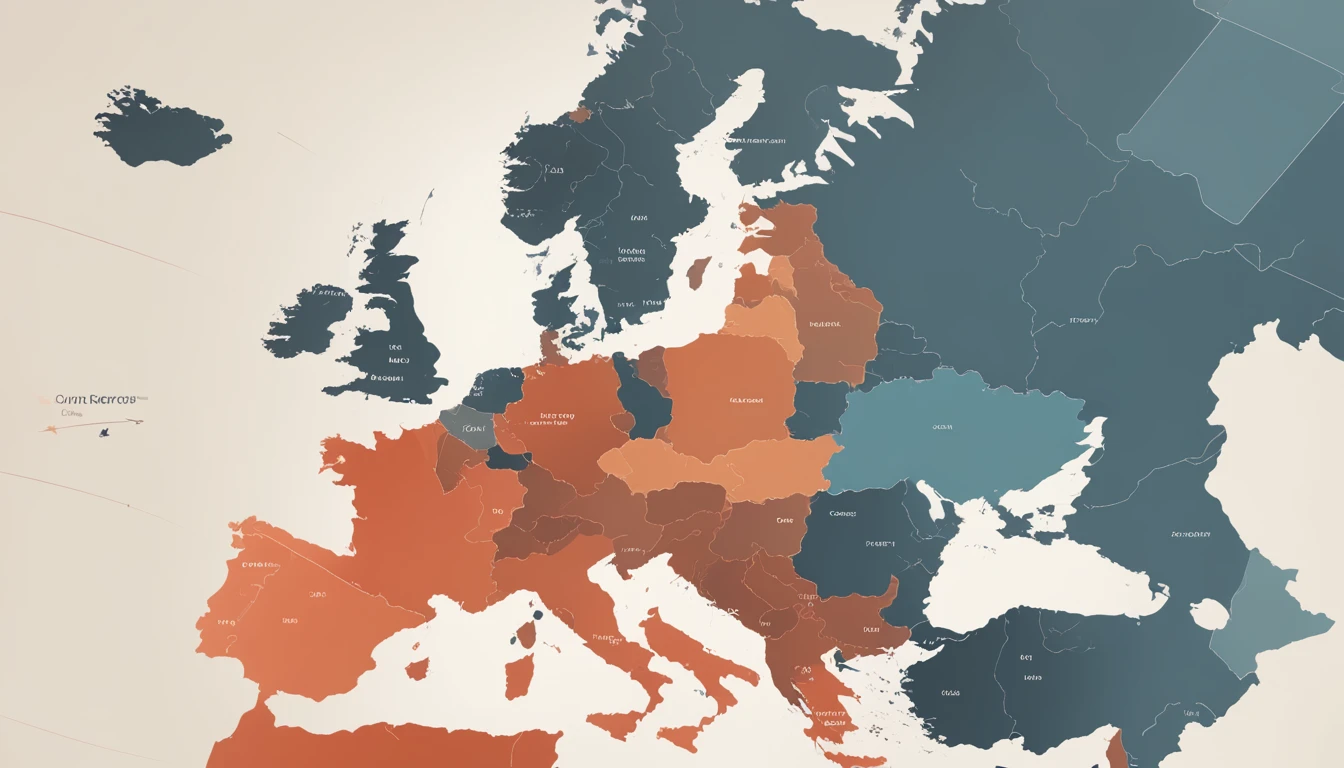
Operation Barbarossa: plans and outcomes
Test your knowledge of Operation Barbarossa - from German planning assumptions and early breakthroughs to Soviet resilience and the campaign’s strategic fallout. With mixed difficulty, this quiz moves from key dates and commanders to logistics, intelligence, and turning points that shaped the Eastern Front.

War-ending decisions: conferences and surrender terms
Test how well you know the decisions that shaped the end of World War II - from major Allied conferences to surrender terms and occupation plans. Questions span key agreements, leaders, timelines, and the political trade-offs behind them. Choose your preferred difficulty and number of questions to tailor the challenge.
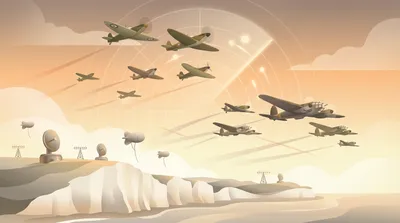
Battle of Britain: tactics and technology
Test your knowledge of how Britain fought and survived the 1940 air campaign. This quiz covers fighter tactics, radar and command-and-control, aircraft performance, and the choices made by both sides. Expect a mix of quick facts and scenario-style questions that connect technology to outcomes.
Stalingrad: turning point on the Eastern Front
Test your knowledge of the Battle of Stalingrad and why it became a decisive turning point on the Eastern Front. Explore commanders, operations, logistics, and the human cost through a wide range of questions. Choose your preferred difficulty and question count to tailor the challenge to your level.

Resistance movements: sabotage and intelligence networks
Step into the shadow war of World War II and test what you know about resistance sabotage, clandestine intelligence, and underground networks. Questions range from famous operations to the everyday tradecraft that kept cells alive under occupation. Choose your preferred length and difficulty, then see how well you can separate myth from documented history.

Pacific island hopping: battles and strategy
Test your knowledge of the Pacific island-hopping campaign in World War II, from early setbacks to the push toward Japan. Questions cover key battles, commanders, logistics, and strategy choices across the Central and Southwest Pacific. Pick your preferred difficulty and number of questions, then play at your own pace with no timer.