Human Body Systems And Functions
Test your knowledge of major human body systems and what they do. Covers organs, system interactions, and basic physiology terms.
Start Quiz
Pick a difficulty and question count to begin.
About this quiz
What you’ll learn in this quiz
This quiz covers the main human body systems (like circulatory, respiratory, digestive, nervous, and skeletal) and the basic jobs they perform. You’ll practice matching systems to functions and identifying which organs belong where.
Each question has 4 answer options and there’s no timer, so you can think through the choices and learn from mistakes without pressure.
Common pitfalls to watch for
Many mix up similar roles (for example, “gas exchange” vs. “transport of oxygen”) or confuse which system an organ belongs to. Another frequent slip is choosing a system based on a single organ instead of the system’s overall function.
- Confusing respiratory gas exchange with circulatory transport
- Mixing up endocrine vs. nervous system control and signaling
- Forgetting that the kidneys are part of the urinary (excretory) system
- Assuming the immune system is the same as the lymphatic system in every context
- Overlooking that muscles work with the skeletal system for movement
Difficulty and question count settings
This quiz is set to Easy, so it emphasizes foundational facts and widely taught definitions rather than tricky exceptions. To balance challenge, questions vary between straightforward “what does this system do?” items and simple organ-to-system matches.
Your question count is currently set to 0, which usually means the quiz won’t start until you pick a number of questions. Select a question count and (if available) adjust difficulty before you begin to tailor the length and challenge to your study session.
Sample questions
What is the main function of the human respiratory system?
- A.To exchange oxygen and carbon dioxide
- B.To circulate blood
- C.To digest food
- D.To regulate temperature
Which organ is primarily responsible for filtering blood and producing urine?
- A.Kidneys
- B.Liver
- C.Heart
- D.Lungs
What part of the brain is responsible for regulating balance and coordination?
- A.Cerebellum
- B.Cerebrum
- C.Brainstem
- D.Thalamus
Quiz FAQ
Is this quiz timed?
No. Every question has 4 options and there is no timer, so you can work at your own pace.
What does “Easy” difficulty mean here?
Easy focuses on core system functions and common organs, with minimal trick wording and fewer edge-case details.
Why is the question count set to 0?
A question count of 0 typically means you need to choose how many questions to include before the quiz can run.
How is my score calculated?
Your score is based on how many questions you answer correctly out of the total you selected.
What topics are included?
Expect major body systems and their functions, plus basic organ identification and how systems work together.
Related Quizzes
Genetics Basics: Genes To Traits
Explore how traits are inherited through genes and alleles. Covers Mendelian inheritance, dominant/recessive patterns, and simple Punnett-square reasoning.
Physics: Forces Motion And Energy
Test core physics concepts behind everyday motion. Covers Newton’s laws, friction, work and energy, momentum, and simple conceptual scenarios.

Astronomy: Stars Planets And Galaxies
Check your understanding of objects and processes in space. Covers star life cycles, planet types, galaxies, and basic observational astronomy terms.
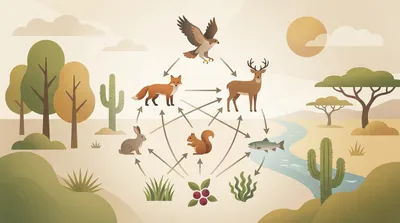
Ecology: Food Webs And Biomes
Answer questions about how ecosystems work and how energy flows. Covers trophic levels, population interactions, cycles, and major biome features.
Periodic Table Trends And Properties
Identify how element properties change across periods and down groups. Covers electronegativity, ionization energy, atomic radius, and common families.

What happens next in scenes?
Think you can predict the next beat in a family-movie scene? This quiz drops you into familiar moments and asks what happens next, based on context clues, character habits, and classic storytelling. Pick your answer and see how well you remember the setup-to-payoff rhythm.