Practical effects and gore milestones
Test your knowledge of practical effects history and the gore moments that changed horror forever. From landmark prosthetics to infamous splatter set pieces, this quiz spans classics, cult favorites, ...
Start Quiz
Pick a difficulty and question count to begin.
About this quiz
What this quiz covers
Practical effects and gore milestones celebrates the hands-on craft behind horror’s most talked-about moments - prosthetics, animatronics, squibs, and buckets of stage blood. You’ll revisit scenes and techniques that set new benchmarks for shock, realism, and ingenuity.
Every question is multiple-choice with 4 options and no timer, so you can think through titles, years, creators, and signature set pieces without pressure.
Skills you’ll practice
You’ll sharpen your ability to connect iconic gore beats to the right film, era, and effects approach. It’s also great practice for spotting which breakthroughs were practical, which were early hybrids, and which are often misremembered.
- Matching famous gore set pieces to the correct movie and sequel
- Identifying practical techniques (prosthetics, squibs, miniatures, animatronics)
- Placing milestones in the right decade and subgenre
- Recognizing key creators and studios associated with landmark effects
- Separating “internet lore” from what’s actually on screen
Common pitfalls (and how to avoid them)
A lot of misses come from confusing remakes with originals, mixing up similarly titled franchise entries, or assuming a scene is CGI when it was achieved practically. Another trap is remembering the meme version of a moment rather than the specific film it came from.
Difficulty and question count options
Difficulty is balanced as Mixed: you’ll get approachable questions alongside deeper cuts, so both newcomers and hardcore horror fans have room to score. Before you start, choose your preferred question count and difficulty to tailor the run - short and casual, or long and challenging.
Sample questions
In which film did Tom Savini create the infamous 'gore' effects using practical makeup for the first time?
- A.Dawn of the Dead
- B.Night of the Living Dead
- C.Friday the 13th
- D.The Texas Chain Saw Massacre
What specific technique did Rick Baker pioneer in 'An American Werewolf in London' to create the werewolf transformation?
- A.Morphing prosthetics
- B.Stop-motion animation
- C.CGI
- D.Liquid latex application
Which horror movie features a practical effect of a character being split in half by a door?
- A.The Thing
- B.Hellraiser
- C.A Nightmare on Elm Street
- D.The Exorcist
Quiz FAQ
How many questions are in this quiz?
This quiz has 130 questions focused on practical effects and gore milestones in horror movies.
What kind of questions are included?
Expect questions about iconic gore scenes, practical FX techniques, notable creators, and milestone films across different eras.
Is this quiz timed?
No. Each question has 4 options and there is no timer, so you can answer at your own pace.
Can I change the difficulty or number of questions?
Yes. You can select your preferred difficulty and question count before starting to match your mood and experience level.
Why does it feel like some questions are much harder than others?
The quiz uses a Mixed difficulty balance, combining well-known milestones with deeper cuts to keep the run interesting.
Related Quizzes
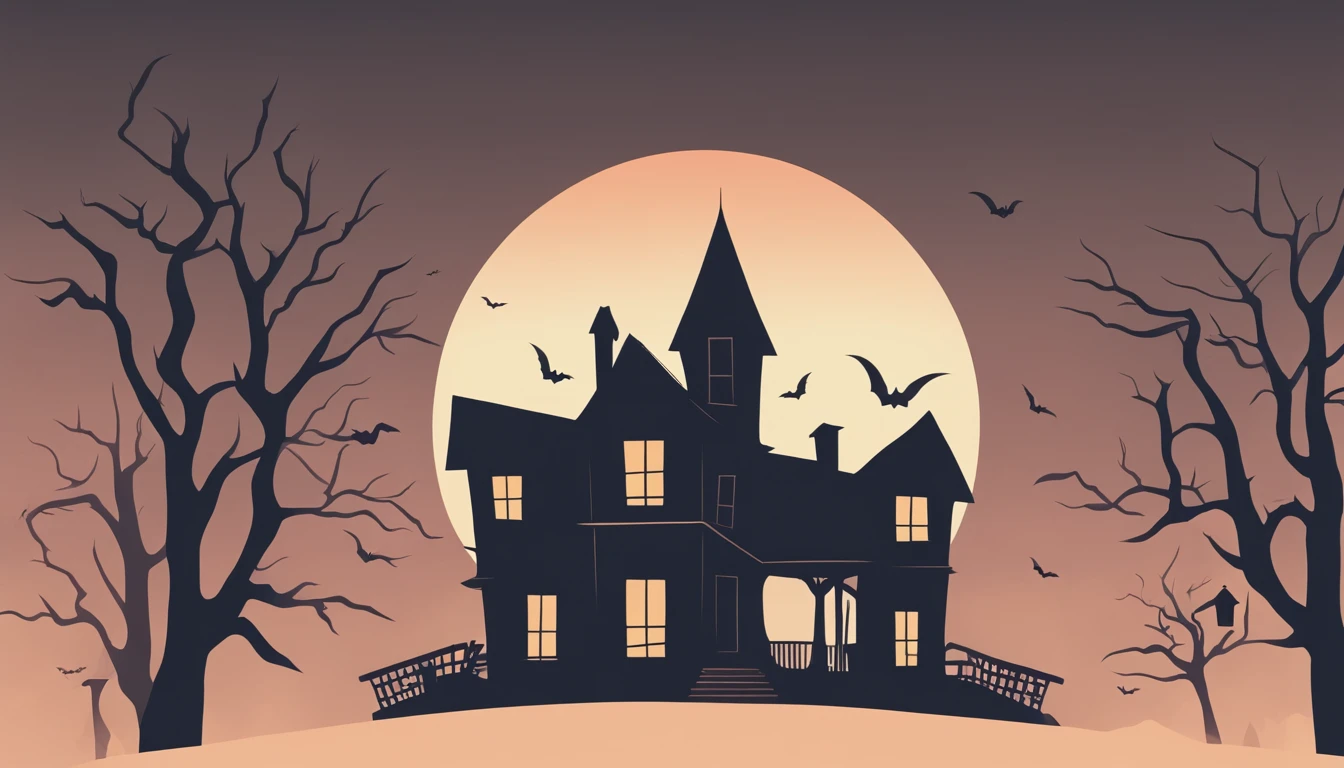
Creepy horror settings: houses, hotels, and towns
Step into the most unsettling horror backdrops - creaking houses, cursed hotels, and towns that feel wrong from the first frame. This mixed-difficulty quiz tests how well you remember iconic settings, their rules, and the films that made them terrifying. Choose your question count and difficulty, then play at your own pace with no timer.
Iconic horror movie opening scenes
Test your memory for the first shocks, screams, and surprises in horror history. This quiz focuses on iconic opening scenes - from cold opens and prologues to title-card dread. Pick your question count and difficulty, then see how many films you can identify from their very first moments.
What happens next in scenes?
Think you can predict the next beat in a family-movie scene? This quiz drops you into familiar moments and asks what happens next, based on context clues, character habits, and classic storytelling. Pick your answer and see how well you remember the setup-to-payoff rhythm.

Brain lobes and core functions
Map the brain’s major lobes to what they do in everyday thinking and behavior. This mixed-difficulty quiz checks your grasp of frontal, parietal, temporal, and occipital functions, plus key “core” structures. Each question uses 4 options and there’s no timer, so you can focus on accuracy.

Guess the song from emoji clues
Decode emoji riddles into real songs in this playful music challenge. Each clue hints at a title, lyric, or artist reference - your job is to connect the icons to the track. With a mixed difficulty set, you’ll see both instant classics and trickier brain-teasers.

Guess the song from one lyric
Can you name the track from a single lyric? This mixed-difficulty quiz spans classics, pop hits, rock anthems, and modern chart-toppers, all with just one line to go on. Pick your preferred question count and difficulty, then see how many songs you can recognize on sight.