Religion and the Revolution: church and state
Trace how the French Revolution reshaped the relationship between church and state, from confiscated lands to new civic rituals. This mixed-difficulty quiz covers key laws, debates, and turning points...
Start Quiz
Pick a difficulty and question count to begin.
About this quiz
What you’ll explore
Follow the clash between revolutionary politics and religious authority, including reforms, resistance, and shifting public loyalties. You’ll revisit major measures like nationalization of Church property, the Civil Constitution of the Clergy, dechristianization, and later attempts at religious settlement.
Each question has 4 options and there’s no timer, so you can focus on careful reading and historical context rather than speed. Before you start, pick a question count and difficulty level to match your goal - quick review, exam-style practice, or a deeper full run.
Skills you’ll practice
Sharpen your ability to connect laws and events to their motives and consequences, and to distinguish between similar-sounding institutions and factions. The mixed difficulty balances straightforward recall (dates, names, decrees) with interpretation (cause-and-effect, perspective, and outcomes).
Common pitfalls to avoid
Many mistakes come from mixing up phases of the Revolution or assuming one policy stayed consistent throughout. Watch for wording that separates constitutional reform from radical dechristianization, and remember that local experience often differed from national decrees.
Tips for better scores
- Separate “constitutional” church reform from later anti-clerical campaigns
- Track key terms: oath, refractory clergy, nationalization, cults, concordat-style settlements
- Place events on a simple timeline (1789–1799) before drilling details
- Read all 4 options; two choices are often close but differ by date or actor
- Use shorter question sets for revision, longer sets for endurance and retention
Sample questions
What was the primary aim of the Civil Constitution of the Clergy enacted in 1790?
- A.To bring the Catholic Church under state control
- B.To abolish the Catholic Church
- C.To promote religious tolerance
- D.To establish a new religion
Who was the prominent revolutionary leader that advocated for the de-Christianization of France?
- A.Jacques Hébert
- B.Maximilien Robespierre
- C.Georges Danton
- D.Louis XVI
Which calendar was introduced by the French Revolutionary government to replace the Gregorian calendar?
- A.French Revolutionary Calendar
- B.Lunar Calendar
- C.Julian Calendar
- D.Papal Calendar
Quiz FAQ
How many questions are in this quiz?
This quiz has 200 questions on religion, the Church, and revolutionary politics in France.
What format is the quiz in?
Each question is multiple-choice with 4 options, and there is no timer.
Is the difficulty suitable for beginners?
Yes. The difficulty is mixed, so you’ll get a blend of accessible recall questions and tougher interpretation items.
Can I choose the number of questions and difficulty?
Yes. Use the start panel to select your preferred question count and difficulty before you begin.
What topics are covered besides the Civil Constitution of the Clergy?
Expect items on confiscations, oaths and resistance, dechristianization, revolutionary festivals, and later stabilization efforts.
Play this quiz in another language(7)
Related Quizzes
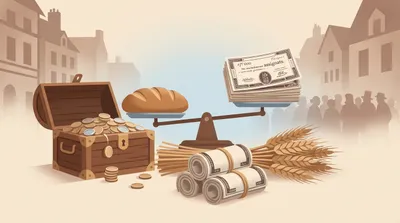
Economic crisis: taxes, bread, and assignats
Step into the French Revolution’s economic storm - tax burdens, bread shortages, and the rise and fall of assignats. This mixed-difficulty quiz checks how well you understand what drove prices, fueled unrest, and shaped policy choices. Build a clearer timeline of crisis, reform, and public reaction.

The Reign of Terror: causes and mechanisms
Step into the most intense phase of the French Revolution and test what you know about why the Terror began and how it operated. This mixed-difficulty quiz explores political pressures, wartime fears, factional conflict, and the institutions that enforced revolutionary justice. Choose your preferred question count and difficulty, then learn as you go - no timer, just focus.
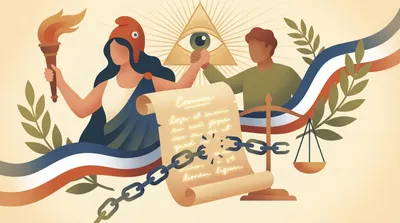
The Declaration of the Rights of Man
Test your knowledge of the Declaration of the Rights of Man and of the Citizen and its role in the French Revolution. Explore key articles, core principles, and the political ideas behind them. Choose your preferred difficulty and number of questions, then learn as you go with instant feedback.
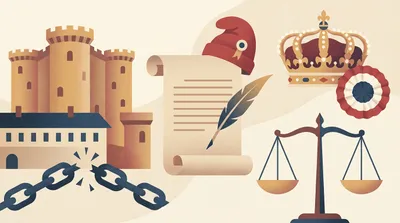
Key events from 1789 to 1791
Test your knowledge of the French Revolution’s turning points from 1789 to 1791, from the Estates-General to the first constitution. This mixed-difficulty quiz focuses on key dates, documents, leaders, and dramatic shifts in power. Choose your preferred question count and difficulty, then answer each question with 4 options and no timer.
War and revolution: 1792 to 1794
Step into the most volatile years of the French Revolution, from the outbreak of war in 1792 to the height of revolutionary government in 1794. Test your grasp of key events, factions, and turning points, then sharpen the details that often get blurred in fast-moving timelines.

From Estates to National Assembly
Trace the political turning points that carried France from the Estates-General to the birth of the National Assembly. This mixed-difficulty quiz checks your grasp of key dates, actors, and debates, from representation and voting rules to the Tennis Court Oath and early reforms. Build a clear timeline and spot cause-and-effect across 198 questions.