English Language Arts
Build stronger reading and writing skills with English Language Arts quizzes covering grammar, vocabulary, reading comprehension, and literary terms. Use them to review key concepts, spot common mistakes, and practice clear, accurate language in a low-pressure format.
Quizzes


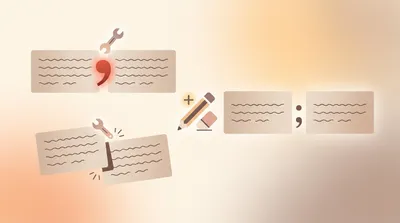
What you'll find here
- Curated quizzes focused on English Language Arts
- Difficulty spread from easy to hard
- Randomized questions with instant feedback
- Quizzes you can replay and compare on the leaderboard
Category FAQ
How many quizzes are available?
There are 3 quizzes with 401 questions total.
What topics are covered in English Language Arts?
You’ll practice grammar, vocabulary, reading comprehension, and literary terms commonly taught in ELA classes.
Are the quizzes timed?
No. Each quiz has no timer, so you can work carefully and focus on understanding.
How are the questions formatted?
All questions are multiple-choice with 4 options, designed for quick checking and review.
Do quizzes vary in difficulty and length?
Yes. The set includes a range of difficulties and question counts, so you can choose shorter practice or deeper review.
More to explore
What you’ll practice
These English Language Arts quizzes help you strengthen grammar, usage, and mechanics while improving reading comprehension and vocabulary in context.
You’ll also review literary elements and text structure so you can analyze passages, identify author’s purpose, and support answers with evidence.
How the quizzes work
Each question has 4 answer options and there’s no timer, so you can focus on accuracy and learn at your own pace. Quizzes vary in difficulty and length, letting you choose quick refreshers or longer practice sets depending on what you need.
- 4 multiple-choice options per question
- No timer; pause and return anytime
- Mix of skills: grammar, vocabulary, and reading comprehension
- Explanations and patterns help you learn from mistakes
- Difficulty and quiz length vary across the set
Quick ELA context
English Language Arts combines language rules with how meaning is created in texts, from word choice and tone to structure and figurative language. Many common “grammar rules” have exceptions because English borrows heavily from other languages, which is why context often matters as much as memorization.
Tips for better results
Read the full sentence or passage before choosing an answer, then eliminate options that don’t match the context or the rule being tested. Keep a short list of mistakes you repeat (like comma splices or subject-verb agreement) and revisit them between quiz attempts.