Solar System
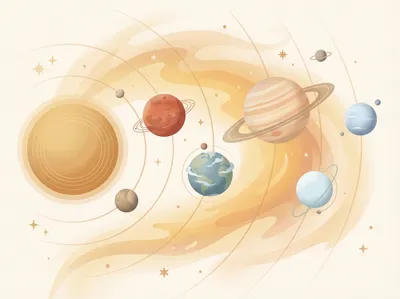
Explore the Solar System and practice key space-and-astronomy basics, from planetary features to small bodies. You’ll learn how Planets and Asteroids And Comets are classified, how they move, and what makes each object unique.
Subcategories
Quizzes
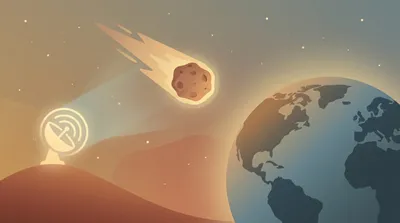

What you'll find here
- Curated quizzes focused on Solar System
- Difficulty spread from easy to hard
- Randomized questions with instant feedback
- Quizzes you can replay and compare on the leaderboard
See this category in other languages
Category FAQ
How many Solar System quizzes are available?
There are 6 quizzes with 705 total questions in the Solar System category.
What topics are covered in the Solar System category?
Topics include Planets plus Asteroids And Comets, covering orbits, moons, rings, dwarf planets, asteroid belts, comets, and key space missions.
How do the Solar System quizzes work?
Each quiz uses 4-option multiple choice with no time limit. Pick an answer, submit, and keep going through the questions at your own pace.
Are these quizzes good for beginners and students?
Yes. With 6 quizzes and 705 questions, you can start with basics like planet order and build up to details on comets, asteroids, and exploration.
More to explore
What you’ll learn
Build a clear picture of how our Solar System is organized, from the Sun’s influence to the differences between rocky worlds, gas giants, and icy bodies.
Planets, asteroids, and comets
Focus on the Planets and Asteroids And Comets subcategories to practice names, traits, orbits, and the clues scientists use to classify objects.
How the quizzes work
Each question has 4 options and there’s no timer, so you can think through concepts like gravity, seasons, phases, and orbital paths at your own pace.
Quick Solar System facts
The Solar System formed about 4.6 billion years ago from a rotating cloud of gas and dust, and most objects orbit in roughly the same plane.
- Mercury has the shortest year; Neptune has the longest among the planets
- The asteroid belt sits mainly between Mars and Jupiter
- Comets often come from the Kuiper Belt or the distant Oort Cloud
- Jupiter’s gravity strongly shapes many small-body orbits
- A planet’s “day” and “year” can be very different lengths
- Moons can be geologically active, like Europa and Enceladus