Technology
Tech and gadgets quizzes
Subcategories
Computing
6 quizzes · 2 subcategories

Cybersecurity
3 quizzes

Programming
6 quizzes · 2 subcategories

Gadgets
3 quizzes · 1 subcategories

Internet And Web
3 quizzes · 1 subcategories

Big Tech
3 quizzes
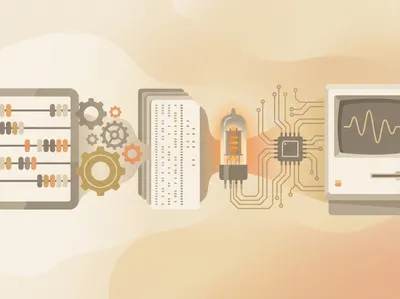
Tech History
3 quizzes

Data And Analytics
6 quizzes · 2 subcategories

Tech Acronyms
3 quizzes

Cloud Computing
3 quizzes

Computer Networking
3 quizzes
Quizzes




What you'll find here
- Curated quizzes focused on Technology
- Difficulty spread from easy to hard
- Randomized questions with instant feedback
- Quizzes you can replay and compare on the leaderboard
See this category in other languages
Category FAQ
How many Technology quizzes are available?
There are 4 quizzes with 562 total questions in the Technology category.
What topics are covered in Technology quizzes?
Topics include Computing, Cybersecurity, Gadgets, Big Tech, Data And Analytics, Tech Acronyms, Cloud Computing, Computer Networking, Programming, and Tech History.
How do Technology quizzes work on Baviro?
Pick a quiz and answer multiple-choice questions one by one. You can review your score at the end and retry to improve.
Are these quizzes good for beginners and pros?
Yes. With 4 quizzes and 562 questions, you can start with basics like acronyms and gadgets, then move to networking, cloud, programming, and cybersecurity.
More to explore
What you’ll practice
These Technology quizzes focus on practical understanding: common terminology, how digital systems fit together, and how technology affects daily life and work.
You’ll review concepts like hardware vs. software, data and storage, internet basics, and the building blocks behind modern apps and services.
How the quizzes work
Each quiz uses multiple-choice questions with 4 answer options and no timer, so you can think through each problem without rushing.
Difficulty and length vary by quiz, and you can choose shorter sets for quick practice or longer sessions to build endurance and confidence.
Helpful context and quick facts
Many core ideas in technology are built on a few foundations - binary data, algorithms, and networking - and small improvements (like faster chips or better compression) can create big changes in what devices can do.
- Learn and reinforce essential tech vocabulary
- Spot common misconceptions (e.g., memory vs. storage)
- Practice interpreting real-world scenarios and examples
- Build confidence for classes, interviews, and certifications
- Track your understanding across easier to harder questions
Tips for getting better
If you miss a question, focus on why the correct option fits and why the others don’t - this is often the fastest way to learn technical distinctions.
Revisit quizzes over time; spaced repetition helps you retain definitions and concepts that look similar at first.