Serial Cases
Explore notable serial cases through quizzes focused on patterns, timelines, investigations, and key evidence. You’ll review how cases are linked, how suspects are identified, and how major breakthroughs happen in long-running investigations.
Quizzes
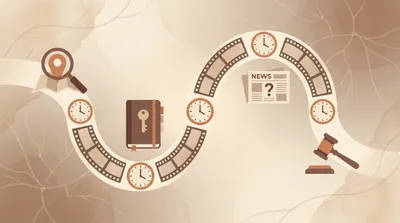


What you'll find here
- Curated quizzes focused on Serial Cases
- Difficulty spread from easy to hard
- Randomized questions with instant feedback
- Quizzes you can replay and compare on the leaderboard
See this category in other languages
Category FAQ
How many quizzes are available?
There are 3 quizzes with 344 questions total.
Are the Serial Cases quizzes timed?
No. Each question has 4 options and there is no timer, so you can take your time.
What topics do these quizzes focus on?
They cover case timelines, investigative methods, evidence, and patterns that link multiple incidents within a serial case.
Do quizzes vary in difficulty and length?
Yes. The 3 quizzes include a mix of shorter and longer sets and a range of difficulty from general knowledge to more detailed questions.
How should I use these quizzes to study?
Try one quiz to gauge your baseline, review missed questions, then retake or move to a harder quiz to reinforce details and patterns.
More to explore
What you’ll practice
These Serial Cases quizzes help you recognize recurring elements in multi-incident investigations, such as victimology, MO changes, geographic patterns, and investigative turning points.
You’ll also practice reading case summaries carefully and separating confirmed facts from common misconceptions.
How the quizzes work
Each quiz question has 4 answer options and there’s no timer, so you can focus on accuracy and learning at your own pace.
Quizzes vary in length and difficulty, letting you start with broader overviews and move toward more detailed case-specific questions as you improve.
Context and key themes
Serial cases often involve long timelines and evolving evidence, which is why investigators may revisit earlier incidents when new forensic methods or link analysis becomes available.
- Identify patterns across incidents (MO, signatures, locations)
- Track timelines, key events, and investigative milestones
- Review evidence types (forensic, witness, digital, behavioral)
- Understand terminology used in case reporting and investigations
- Spot common myths and avoid mixing speculation with verified details