Instruments
Explore the world of musical instruments, from how they’re built to how they sound and where they’re used. These quizzes cover instrument families, famous examples, and key terms you’ll see in music lessons and listening guides.
Quizzes
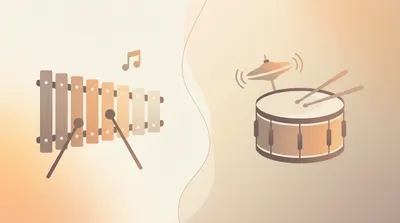
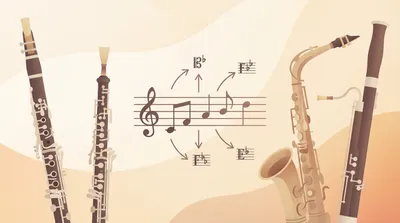
What you'll find here
- Curated quizzes focused on Instruments
- Difficulty spread from easy to hard
- Randomized questions with instant feedback
- Quizzes you can replay and compare on the leaderboard
See this category in other languages
Category FAQ
How many quizzes are available?
There are 3 quizzes with 324 questions total.
Do these Instruments quizzes have a timer?
No. Each question is untimed so you can answer at your own pace.
How are the questions formatted?
Every question uses 4 multiple-choice options, with one best answer.
What topics are covered in the Instruments category?
You’ll see instrument families, identification, parts and terminology, and how instruments produce sound.
Are the quizzes suitable for different skill levels?
Yes. The set includes a mix of easier recognition questions and more detailed terminology and classification items.
More to explore
What you’ll learn in these Instruments quizzes
These quizzes help you practice identifying instruments, grouping them into families, and matching common terms to the right instrument or sound.
You’ll also review basics like how instruments produce pitch and tone, what materials and parts matter, and where different instruments are typically used (orchestras, bands, folk, and modern music).
How the quizzes work
Each question has 4 answer options and there’s no timer, so you can focus on accuracy and learning from mistakes.
Quiz length and difficulty vary across the set: some focus on quick recognition, while others go deeper into terminology, instrument ranges, and family relationships.
Quick context and useful facts
Many instruments are classified by how they create sound: vibrating strings (chordophones), vibrating air columns (aerophones), vibrating membranes (membranophones), and the instrument body itself (idiophones). Modern orchestral families (strings, woodwinds, brass, percussion) are practical groupings that help players and listeners understand roles, blend, and balance.
Tips to score higher
- Learn the main families first, then drill common examples in each
- Pay attention to how sound is produced (reed, mouthpiece, bow, mallet, pluck)
- Use process of elimination when two options seem similar
- Watch for “range” clues (high vs low instruments in the same family)
- Revisit missed questions to spot repeating patterns in terms and definitions