How Things Work
Explore the principles behind the devices and systems you use every day. In How Things Work, you’ll practice explaining mechanisms, energy flow, and cause-and-effect across Everyday Tech, Energy, and Machines. Build clearer intuition for engineering ideas through simple, quiz-friendly examples.
Subcategories
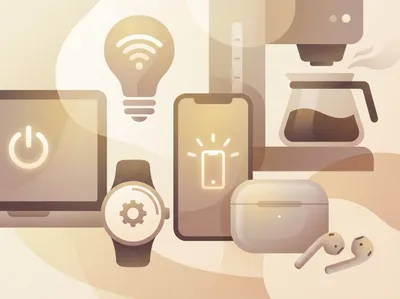
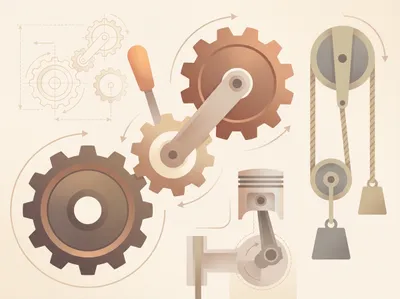
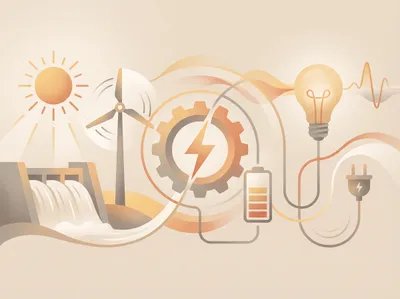
Quizzes

How touchscreens detect your fingers
Cams and linkages in motion control

How Wi‑Fi moves data at home

Pulleys: mechanical advantage and direction

How gears change speed and torque

Power, work, and efficiency basics

How GPS finds your location

Energy forms and conversions in nature
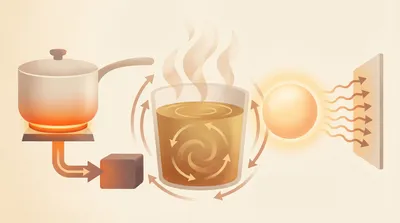
Heat transfer: conduction, convection, and radiation
What you'll find here
- Curated quizzes focused on How Things Work
- Difficulty spread from easy to hard
- Randomized questions with instant feedback
- Quizzes you can replay and compare on the leaderboard
Category FAQ
How many How Things Work quizzes are available?
There are 9 quizzes with 1068 total questions in the How Things Work category.
What topics are covered in How Things Work?
Topics span Everyday Tech, Energy, and Machines, including common gadgets, power generation and storage, engines, tools, mechanisms, and real-world engineering basics.
How do the How Things Work quizzes work?
Each quiz uses 4-option multiple choice questions with no time limit. You can answer at your own pace and learn how devices and systems function.
Are these quizzes good for beginners in engineering?
Yes. With 9 quizzes and 1068 questions, you can start with Everyday Tech and build up through Energy and Machines using short, practical questions.
More to explore
What you’ll explore
How Things Work breaks down engineering concepts into everyday explanations - from gears and levers to electricity and heat. It’s a great way to practice “why” and “how” thinking across Everyday Tech, Energy, and Machines.
How the quizzes work
Each quiz question has 4 answer options and there’s no timer, so you can think through the mechanism before you choose. Expect a mix of basic principles, real-world applications, and common misconceptions.
Fun facts to fuel your curiosity
A simple machine (like a lever) can’t reduce the total work needed - it trades force for distance. Many modern inventions are combinations of simple machines, and efficiency often comes down to friction, heat loss, and material limits.
Skills you’ll practice
- Tracing energy conversions (electrical → heat → motion)
- Identifying inputs, outputs, and feedback in systems
- Understanding why gears change speed and torque
- Spotting where friction and heat reduce efficiency
- Connecting everyday devices to core physics principles