Ancient India
Explore the major phases of Ancient India, from early settlements and empires to religion, art, and daily life. These quizzes help you review key dates, dynasties, texts, and archaeological sites through clear, exam-style questions.
Quizzes
Early historic cities: guilds and markets
Mahajanapadas: states and rivalries
Vedic Society And Early Texts
Buddhism in India: councils and patrons
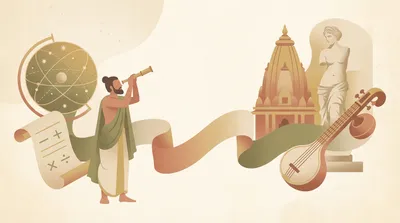
Gupta era science and culture
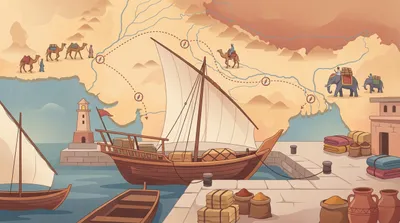
Ancient Indian trade: ports and routes
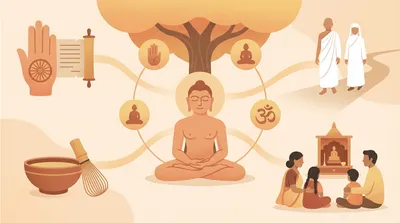
Jainism: teachers, vows, and communities
Classical Sanskrit epics and key themes
Sangam Tamil kingdoms and literature
Temple beginnings: early Indian architecture
Mauryan Empire Governance And Ashoka
Ancient Indian art: stupas and sculpture
What you'll find here
- Curated quizzes focused on Ancient India
- Difficulty spread from easy to hard
- Randomized questions with instant feedback
- Quizzes you can replay and compare on the leaderboard
See this category in other languages
Category FAQ
How many quizzes are available in Ancient India?
There are 13 quizzes with 1992 questions total.
Are the Ancient India quizzes timed?
No. There is no timer, so you can attempt questions at your own pace.
How are questions formatted in these quizzes?
Each question is multiple-choice with 4 options, designed for quick checking and revision.
Do the quizzes include both Indus Valley and Vedic topics?
Yes. Coverage typically includes early archaeology (Indus Valley) and later developments like the Vedic age and Mahajanapadas.
Can I choose easier or longer Ancient India practice sets?
Yes. Quiz difficulty and length vary, so you can pick shorter refreshers or longer, more detailed sets.
More to explore
What you’ll learn in Ancient India quizzes
These quizzes cover the political timeline, society and economy, religions and philosophies, and landmark sources such as inscriptions, coins, and classical texts.
You’ll practice connecting events to rulers and dynasties, identifying key sites and terms, and placing developments like urbanization, trade, and administration in the right period.
How the quizzes work
Each question has 4 options and there is no timer, so you can focus on accuracy and revision rather than speed.
Difficulty and length vary across the 13 quizzes, letting you choose quick practice sets or longer sessions for deeper coverage.
Quick topics you’ll see often
- Indus Valley Civilization: sites, features, and decline theories
- Vedic age: society, polity, and key texts
- Mahajanapadas and Magadha’s rise
- Mauryas and Ashoka: administration, dhamma, and edicts
- Guptas and post-Gupta changes: culture, science, and economy
- Buddhism and Jainism: doctrines, councils, and patrons
A bit of historical context
Ancient India spans many centuries and regions, so historians rely on a mix of archaeology (like Harappan urban layouts), epigraphy (Ashokan edicts), numismatics, and later literary traditions to reconstruct the past.
Because sources differ by period and place, the same topic can be tested through dates, terminology, site identification, or comparisons between dynasties and institutions.