Vedic Society And Early Texts
Trace the foundations of Vedic society through its early texts, rituals, and evolving social ideas. This mixed-difficulty quiz spans key terms, concepts, and debates from the Rigvedic age to later Ved...
Start Quiz
Pick a difficulty and question count to begin.
About this quiz
What you’ll explore in this quiz
Step into the world of early Indo-Aryan settlements, ritual life, and the ideas preserved in Vedic literature. You’ll connect social structures with sources such as the Samhitas, Brahmanas, Aranyakas, and early Upanishadic thought.
Each question comes in a 4-option MCQ format with no timer, so you can focus on accuracy and reasoning rather than speed. Since the overall difficulty is mixed, you can also choose an easier or tougher run depending on your goal.
Skills you’ll practice
You’ll practice mapping concepts to the correct text layer (early vs later Vedic) and spotting how political, economic, and religious changes show up in terminology. Expect a blend of factual recall and source-based understanding.
Common pitfalls to avoid
Many learners mix up the chronology of texts, confuse ritual terms, or overgeneralize varna and jana/janapada usage across periods. Another frequent mistake is treating later philosophical ideas as if they were central in the earliest hymns.
How difficulty and length are balanced
Because the quiz is mixed difficulty, questions range from quick identifiers (terms, authorship traditions, core concepts) to more interpretive items (social change, ritual purpose, textual context). You can choose the number of questions you want to attempt and select a difficulty setting to keep practice short and focused or longer and more comprehensive.
- Distinguish early Rigvedic features from later Vedic developments
- Match key terms (yajna, rta, soma, sabha/samiti) to correct context
- Identify major text categories and what each is mainly used for
- Avoid chronology traps between Samhitas, Brahmanas, Aranyakas, Upanishads
- Practice mixed recall + interpretation with 4 options and no timer
Sample questions
Which text is considered one of the oldest scriptures of Vedic society?
- A.Rigveda
- B.Mahabharata
- C.Ramayana
- D.Upanishads
The Vedic society is primarily known for which form of governance?
- A.Chiefdoms
- B.Democracy
- C.Monarchy
- D.Oligarchy
What was the primary language of the Vedic texts?
- A.Sanskrit
- B.Pali
- C.Tamil
- D.Prakrit
Quiz FAQ
How many questions are in this quiz?
This quiz has 198 questions covering Vedic society and early texts.
What format are the questions in?
All questions are multiple-choice with 4 options, and there is no timer.
Is the difficulty suitable for beginners and advanced learners?
Yes. The quiz is mixed difficulty, so you’ll see both basic recall and more analytical questions.
Can I choose how many questions to attempt?
Yes. You can select your preferred question count before starting to match your study time.
What are common mistakes this quiz helps correct?
It targets mix-ups in text chronology, confusing ritual terms, and applying later Vedic ideas to early Rigvedic contexts.
Related Quizzes
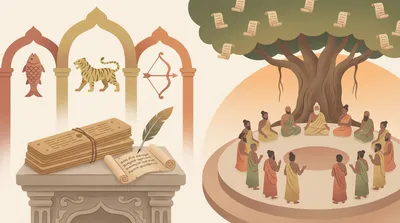
Sangam Tamil kingdoms and literature
Explore the world of Sangam-age Tamilakam through its three crowned kingdoms and the literature that shaped early South Indian history. Test your recall of rulers, ports, poets, anthologies, themes, and key terms from Sangam texts. With mixed difficulty, it works well for both quick revision and deeper practice.
Classical Sanskrit epics and key themes
Step into the world of Classical Sanskrit epics and explore the themes that shaped Ancient Indian storytelling. This mixed-difficulty quiz spans characters, plots, values, and literary ideas across major works. Choose your preferred question count and difficulty, then answer each question with four options and no timer pressure.
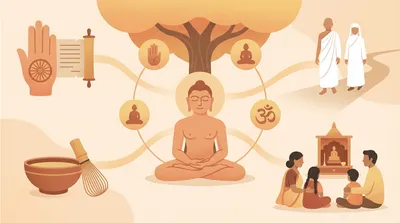
Jainism: teachers, vows, and communities
Explore Jainism through its teachers, core vows, and the communities that shaped its long history. This mixed-difficulty quiz spans key terms, sects, texts, and practices from Ancient India. Choose your preferred question count and difficulty, then answer each multiple-choice question at your own pace with no timer.
Temple beginnings: early Indian architecture
Trace how India’s earliest temples took shape - from rock-cut sanctuaries to the first structural shrines. This mixed-difficulty quiz tests your knowledge of dynasties, plans, materials, and key sites that define early Indian architecture. Pick your preferred question count and difficulty, then learn as you go.
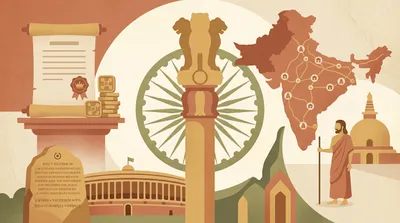
Mauryan Empire Governance And Ashoka
Step into the Mauryan Empire and test how well you know its administration, economy, military, and the reign of Ashoka. Questions cover key officials, provincial setup, Arthashastra-style governance ideas, and the spread of Dhamma. Choose your preferred difficulty and question count to match your prep style.
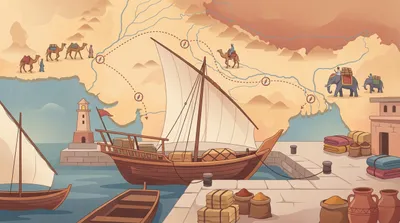
Ancient Indian trade: ports and routes
Trace how goods, people, and ideas moved across ancient India’s seas and land corridors. This quiz covers key ports, river routes, caravan tracks, and overseas links to the Roman world and Southeast Asia. Expect a mixed set that blends famous hubs with lesser-known regional networks.