Prehistory
Explore Prehistory and practice key ideas from the Stone Age, Bronze Age, Iron Age, and Human Evolution. These quizzes help you learn major milestones, tools, cultures, and discoveries that shaped early humans before written records.
Subcategories
Quizzes
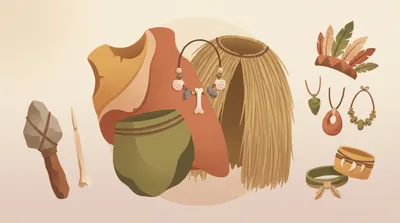
Stone Age clothing and personal adornment
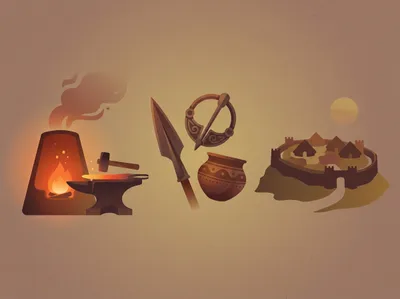
Iron Age technologies: smelting and tools
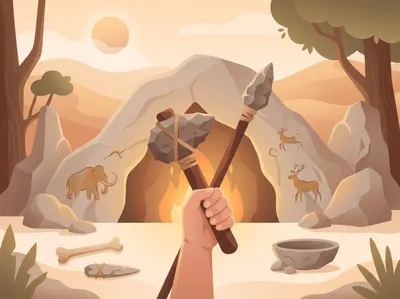
Paleolithic tool types and uses

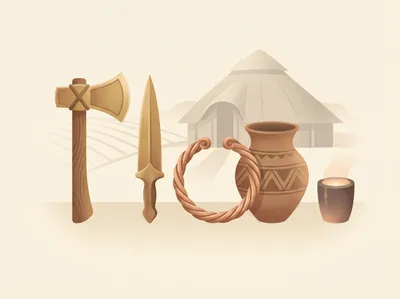
Bronze metallurgy: alloys, casting, and trade
Stone Age shelters and settlement patterns
Iron Age cultures: Celts, Scythians, and Nok
Neanderthal and Denisovan interactions

Stone Age timelines: periods and dates
Fire, cooking, and daily technology

Bronze Age collapse: causes and timelines

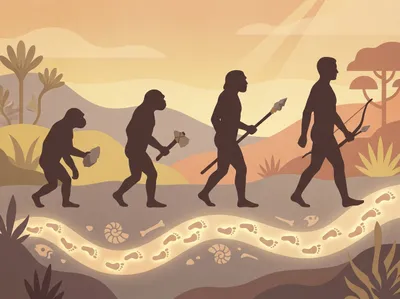
Hominin species and key traits

Neolithic farming: crops and animals
What you'll find here
- Curated quizzes focused on Prehistory
- Difficulty spread from easy to hard
- Randomized questions with instant feedback
- Quizzes you can replay and compare on the leaderboard
See this category in other languages
Category FAQ
How many Prehistory quizzes are available?
There are 19 quizzes with 2466 total questions in the Prehistory category.
What topics are covered in the Prehistory category?
Topics include the Stone Age, Bronze Age, Iron Age, and Human Evolution, covering early tools, cultures, migrations, and key archaeological discoveries.
How do Prehistory quizzes work on Baviro?
You answer 4-option multiple-choice questions, get instant feedback, and can replay quizzes anytime; the Prehistory category includes 19 quizzes and 2466 questions.
Are these quizzes good for study and revision?
Yes. With 19 quizzes and 2466 questions, you can practice by era or theme, repeat tricky topics, and track what you’ve learned across Prehistory.
More to explore
What you’ll explore in Prehistory
Prehistory covers the vast span of human life before writing, pieced together through archaeology, fossils, and material remains. It connects everyday survival - tools, fire, shelter - to big shifts like farming, metallurgy, and migration.
Quiz format on Baviro
Each quiz question comes with 4 answer options and there’s no timer, so you can think carefully and learn as you go. Use the explanations to strengthen your understanding of timelines, artifacts, and key terms.
From stone tools to metalworking
The Stone Age is known for chipped and polished tools, while the Bronze and Iron Ages reflect breakthroughs in metallurgy and trade. These changes influenced warfare, farming efficiency, social hierarchies, and long-distance cultural exchange.
Quick facts to remember
Archaeologists often date sites using methods like stratigraphy and radiocarbon dating, and even tiny clues - pollen, bones, or tool marks - can reveal how people lived. Human evolution is traced through fossils and genetics, showing branching lineages rather than a single straight path.
- Prehistory is studied through artifacts, fossils, and environmental evidence
- Stone tools can indicate skill, diet, and mobility patterns
- Farming and domestication reshaped settlement and population growth
- Bronze (copper + tin) enabled harder tools and wider trade networks
- Iron became widespread because its ores are more common than tin
- Evolutionary change is gradual and includes multiple hominin species