Stone Age
Explore the Stone Age through quick, focused quizzes on early humans, tools, and daily life. Review key periods such as the Paleolithic, Mesolithic, and Neolithic, plus major developments like farming and early art. Each quiz helps you connect timelines, technologies, and archaeological evidence.
Quizzes
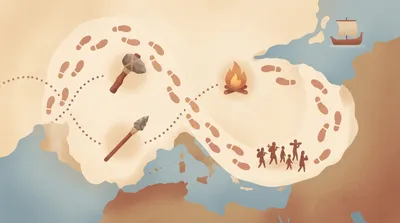
Stone Age migrations and peopling routes

Stone Age shelters and settlement patterns

Neolithic farming: crops and animals
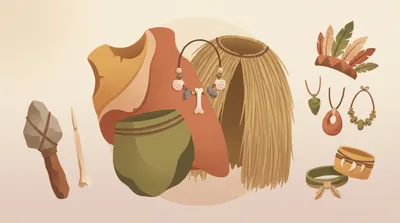
Stone Age clothing and personal adornment

Stone Age timelines: periods and dates

Neolithic monuments: tombs and henges

Mesolithic hunter-gatherer adaptations

Paleolithic tool types and uses

Fire, cooking, and daily technology
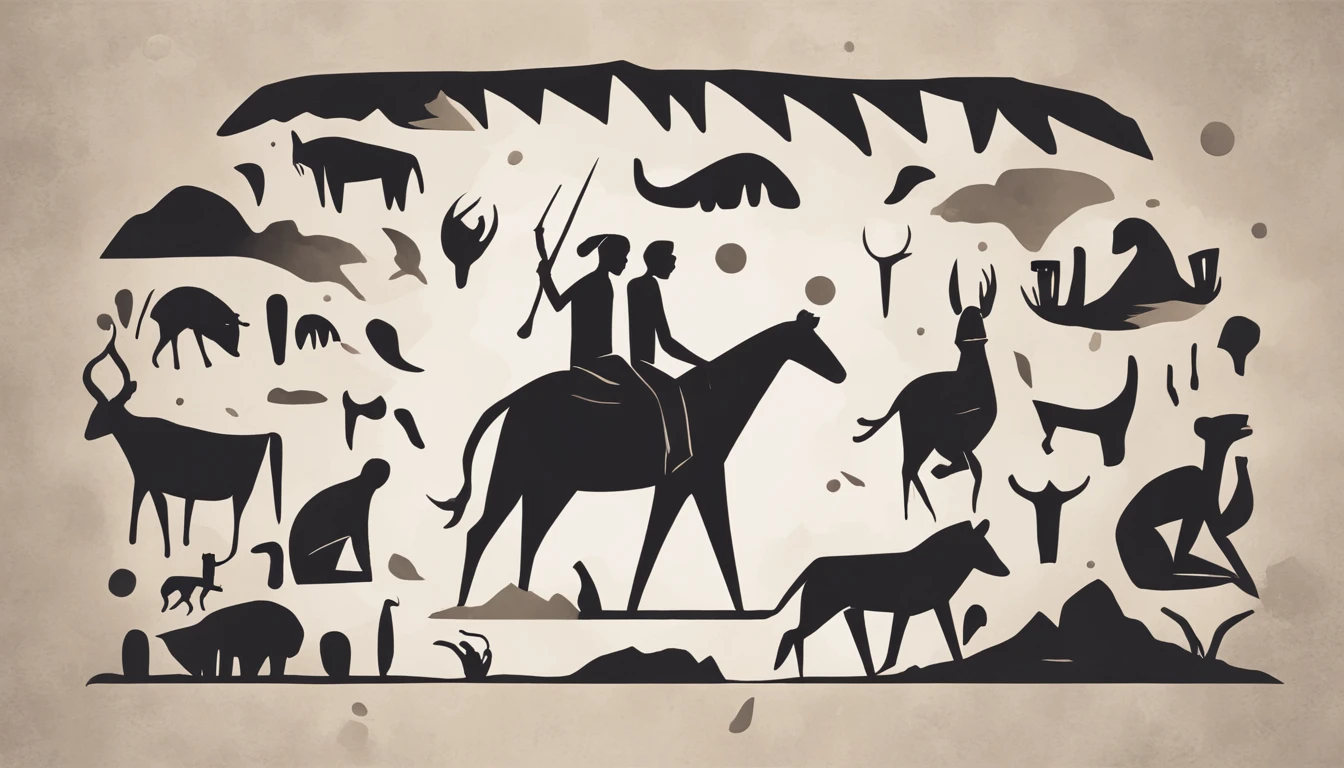
Stone Age art: caves and carvings
What you'll find here
- Curated quizzes focused on Stone Age
- Difficulty spread from easy to hard
- Randomized questions with instant feedback
- Quizzes you can replay and compare on the leaderboard
See this category in other languages
Category FAQ
How many quizzes are available?
There are 10 quizzes with 1319 questions total.
Are the Stone Age quizzes timed?
No. There is no timer, so you can work carefully and review what you missed.
How are questions formatted?
Each question is multiple-choice with 4 options, designed to test facts, timelines, and evidence-based reasoning.
Do the quizzes cover Paleolithic, Mesolithic, and Neolithic topics?
Yes. The set spans major Stone Age phases, including toolmaking, art, migration, and the transition to agriculture.
Can I choose easier or longer quizzes?
Yes. Quizzes vary in difficulty and length, so you can start with basics and move to more detailed practice.
More to explore
What you’ll learn in Stone Age quizzes
These quizzes cover the Stone Age as the earliest long phase of human prehistory, from simple stone tools to settled farming communities. You’ll practice identifying key periods, major hominin groups, important sites, and the technologies that shaped survival and culture.
How the quizzes work
Each question is multiple-choice with 4 options and there’s no timer, so you can focus on accuracy and learning. Quizzes vary in difficulty and length, letting you choose quick practice or longer review sessions as you build confidence.
Key skills you’ll practice
- Placing Paleolithic, Mesolithic, and Neolithic developments in the correct order
- Recognizing tool types (e.g., hand axes, blades, microliths) and what they were used for
- Connecting changes in diet, climate, and migration to archaeological evidence
- Understanding the shift from foraging to farming and its social impacts
- Interpreting cave art, burials, and artifacts as clues to belief and culture
Interesting context
The term “Stone Age” doesn’t mean people only used stone - it highlights what survives best in the archaeological record. Organic materials like wood, fiber, and hide were widely used but usually decay, so stone tools and durable remains often provide the clearest evidence for how people lived.
Tips for better scores
Read for time cues (glaciations, domestication, early villages) and for evidence cues (tool style, site type, burial goods). If two answers seem close, choose the one most directly supported by archaeology rather than a modern assumption.