Coins
Explore the world of coin collecting with quizzes on coin history, minting, denominations, and notable designs. Practice spotting key details like dates, mint marks, and materials, and build confidence with common numismatic terms and concepts.
Quizzes
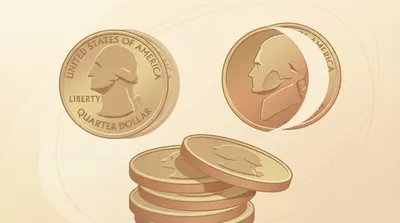
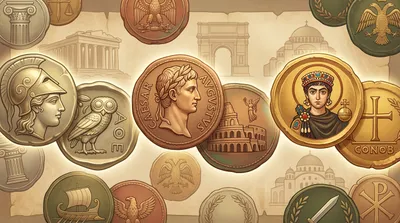
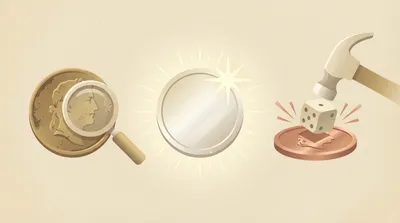
What you'll find here
- Curated quizzes focused on Coins
- Difficulty spread from easy to hard
- Randomized questions with instant feedback
- Quizzes you can replay and compare on the leaderboard
Category FAQ
How many quizzes are available?
There are 3 quizzes with 346 questions total.
Are these coins quizzes timed?
No. Each question has 4 options and there is no timer, so you can answer at your own pace.
What topics do the Coins quizzes cover?
They focus on coin features, mint marks and dates, denominations, materials, and common numismatic terms used by collectors.
Do the quizzes include different difficulty levels?
Yes. The 3 quizzes vary in difficulty and length, ranging from basic identification to more detailed collecting knowledge.
Will these quizzes help with coin identification?
Yes. You’ll practice noticing design details and reading markings that are commonly used to identify and describe coins.
More to explore
What you’ll practice
These Coins quizzes help you review core numismatics knowledge, from identifying coin features to understanding how coins are made and classified.
You’ll practice reading dates and mint marks, recognizing designs and denominations, and learning the vocabulary collectors use when describing condition and rarity.
How the quizzes work
Each quiz is multiple-choice with 4 options per question and no timer, so you can focus on accuracy and learn at your own pace.
Quiz difficulty and length can vary across the set - some focus on quick identification, while others go deeper into history, terminology, and collecting basics.
- Identify key coin parts: obverse/reverse, rim, edge, and legend
- Understand mint marks, dates, and common denomination systems
- Learn basic grading terms and what affects condition and value
- Compare materials and minting methods (struck, milled, plated)
- Recognize common causes of wear, damage, and cleaning marks
Quick coin-collecting context
Coins are among the most widely collected artifacts because they combine art, history, and economics in a small, durable format.
Many coins carry political symbols, commemorations, and changing design standards, making them useful clues for dating events and understanding how societies represented power and identity.