Ancient coin basics: Greek, Roman, and Byzantine
Test your knowledge of ancient coin basics across Greek, Roman, and Byzantine issues. You’ll work through key terms, ruler names, common designs, and how coins were struck and used. Pick your preferre...
Start Quiz
Pick a difficulty and question count to begin.
About this quiz
What this quiz covers
Greek, Roman, and Byzantine coins can look similar at a glance, but small details reveal a lot - portraits, legends, mint marks, and familiar symbols. This quiz focuses on the foundations so you can recognize major types and talk about them with confidence.
Each question is multiple-choice with 4 options and no timer, so you can slow down and reason through tricky attributions. Before you start, choose how many of the 127 questions you want to answer in a session and set the difficulty to match your comfort level.
Skills you’ll practice
- Identifying common deities, rulers, and personifications on obverse/reverse designs
- Reading basic coin legends and spotting common abbreviations
- Distinguishing Greek vs Roman vs Byzantine stylistic cues
- Understanding denominations, metal types, and why weight/size matter
- Recognizing typical mint marks, monograms, and control symbols
Common pitfalls and how difficulty stays fair
Many misses come from over-trusting a single clue (like a portrait style) while ignoring legends or reverse types. Another frequent trap is mixing late Roman and early Byzantine imagery, which can share motifs but differ in inscriptions and mint conventions.
Difficulty is balanced by mixing straightforward ID questions with more nuanced comparisons; easier items lean on obvious iconography, while harder ones combine multiple signals (legend + symbol + era). If you’re new, start with fewer questions on an easier setting, then increase the count or difficulty as patterns become familiar.
Sample questions
What material were most ancient Greek coins made from?
- A.Silver
- B.Gold
- C.Copper
- D.Bronze
Which of the following is a famous ancient Greek coin?
- A.Athenian Tetradrachm
- B.Roman Denarius
- C.Byzantine Solidus
- D.Persian Daric
What is the term for a coin minted in a specific city-state in ancient Greece?
- A.City-state coinage
- B.Imperial coinage
- C.Republican coinage
- D.Provincial coinage
Quiz FAQ
How many questions are in this quiz?
This quiz has 127 questions on Greek, Roman, and Byzantine coin basics.
What format is the quiz in?
Every question is multiple-choice with 4 options, and there is no timer.
Can I choose how many questions to answer?
Yes. You can select your preferred question count from the full set of 127 before starting.
Is the difficulty suitable for beginners?
It’s mixed difficulty. Start on an easier setting and fewer questions, then raise the challenge as you improve.
What topics are included besides ruler names?
You’ll see iconography, legends, denominations, metal types, and basic mint/mark recognition across the three eras.
Play this quiz in another language(7)
Related Quizzes
Coin grading fundamentals: wear, luster, and strike
Sharpen your eye for coin grading by learning how wear, luster, and strike quality affect a coin’s overall grade. This mixed-difficulty quiz helps you spot key high points, separate friction from weak strike, and build consistent grading habits. Choose your question count and difficulty, then answer with 4 options - no timer, just careful observation.
U.S. coin errors: doubled dies and off-centers
Spot the telltale signs of U.S. minting mistakes with this quiz on doubled dies and off-center strikes. You’ll learn how to separate true die varieties from common damage, and what collectors look for on real error coins. Choose your question count and difficulty, then test your eye - no timer, just careful checking.

What happens next in scenes?
Think you can predict the next beat in a family-movie scene? This quiz drops you into familiar moments and asks what happens next, based on context clues, character habits, and classic storytelling. Pick your answer and see how well you remember the setup-to-payoff rhythm.

Brain lobes and core functions
Map the brain’s major lobes to what they do in everyday thinking and behavior. This mixed-difficulty quiz checks your grasp of frontal, parietal, temporal, and occipital functions, plus key “core” structures. Each question uses 4 options and there’s no timer, so you can focus on accuracy.

Guess the song from emoji clues
Decode emoji riddles into real songs in this playful music challenge. Each clue hints at a title, lyric, or artist reference - your job is to connect the icons to the track. With a mixed difficulty set, you’ll see both instant classics and trickier brain-teasers.
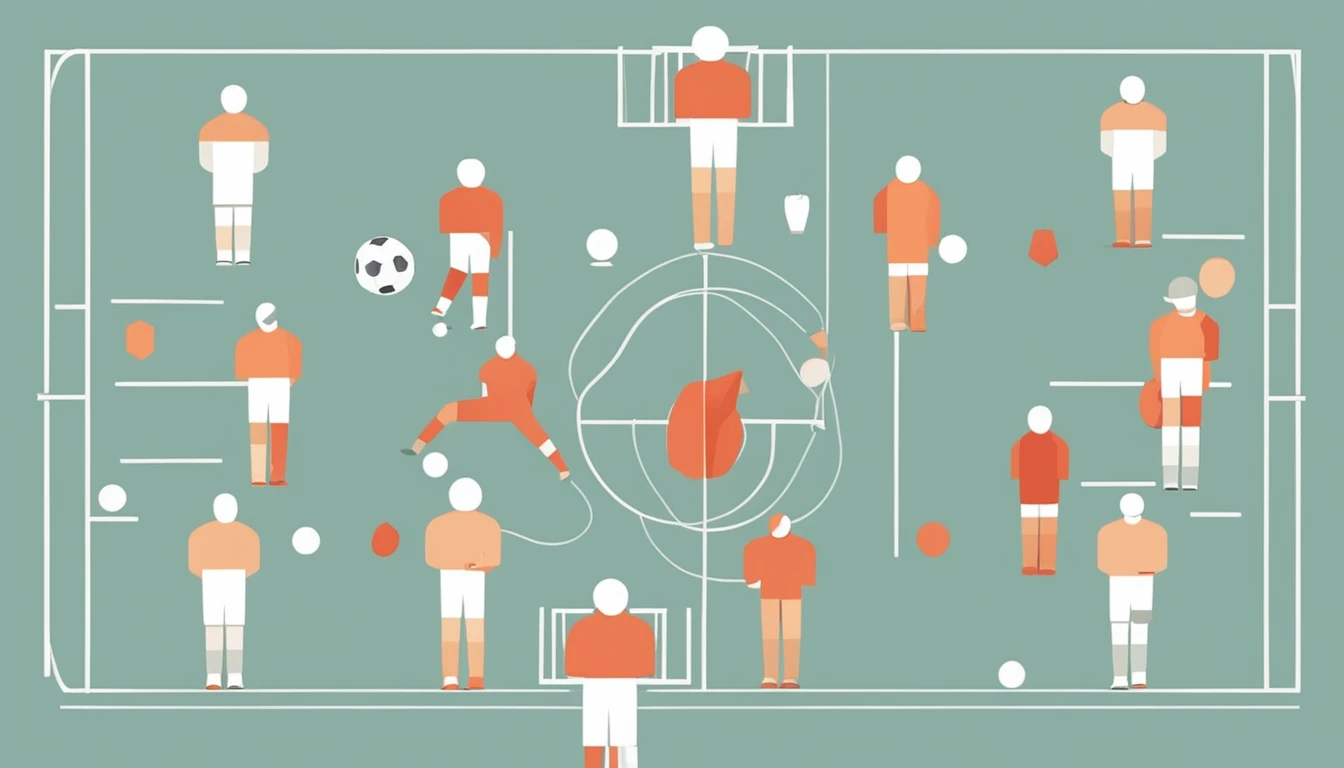
Tactical formations: roles and responsibilities
Test how well you understand soccer tactical formations and what each role is responsible for in and out of possession. From back-four duties to midfield rotations and pressing triggers, this mixed-difficulty quiz checks both terminology and real match situations. Pick your preferred question count and difficulty, then play with no timer and four options per question.