Augustus Principate Institutions And Propaganda
Test how well you know the institutions, titles, and messaging that shaped Augustus’ Principate. Questions range from constitutional settlements and senatorial roles to monuments, coinage, and public ...
Start Quiz
Pick a difficulty and question count to begin.
About this quiz
What you’ll explore in this quiz
Augustus didn’t rule as a “king,” yet his Principate reworked Republican offices into a durable system of one-man dominance. This quiz focuses on how institutions, titles, and public messaging fit together to legitimize power.
Every question uses 4 options and there’s no timer, so you can slow down for careful source-based thinking. Before you start, pick a question count and set the difficulty to match your comfort level - Mixed blends straightforward facts with interpretive items.
Skills you’ll practice
You’ll practice separating formal powers (imperium, tribunicia potestas, priesthoods) from informal influence (auctoritas, patronage, control of honors). You’ll also connect propaganda media - coins, monuments, literature, and public ritual - to specific political goals.
Common pitfalls to avoid
Many learners overstate “restoration of the Republic” as a simple slogan and miss the legal mechanisms that made Augustus exceptional. Another frequent mistake is treating propaganda as mere art history rather than as messaging aimed at elites, soldiers, and the urban crowd.
How difficulty is balanced
Mixed difficulty rotates between quick checks (dates, titles, offices, key reforms) and deeper prompts (why a settlement mattered, what an inscription implies, how imagery supports policy). If you want a smoother run, lower the difficulty; if you want more challenge, raise it and increase the question count.
Quick tips for higher scores
- Track which powers were annual vs. lifelong, and which were extraordinary grants
- Distinguish Senate votes, popular assemblies, and imperial initiative in each reform
- Link monuments and coin legends to events (settlements, victories, succession planning)
- Watch for anachronisms: later imperial practices don’t always apply to Augustus
- When stuck, eliminate options that contradict Republican norms or known titles
Sample questions
Who was the first Roman emperor known for initiating the Principate?
- A.Augustus
- B.Julius Caesar
- C.Tiberius
- D.Nero
What title did Augustus prefer to use instead of 'king'?
- A.Princeps
- B.Imperator
- C.Dux
- D.Caesar
What was the primary purpose of Augustus' extensive building program in Rome?
- A.To glorify his regime
- B.To house the military
- C.To create housing for the poor
- D.To establish trade routes
Quiz FAQ
How many questions are in this quiz?
This quiz has 198 questions on Augustus’ Principate institutions and propaganda.
What format does the quiz use?
Each question is multiple-choice with 4 options, and there is no timer.
How do I choose question count and difficulty?
Use the start panel to set how many questions you want and select a difficulty level; Mixed combines easier recall with tougher interpretation.
What topics are covered besides politics?
You’ll also see propaganda through coinage, monuments, inscriptions, literature, and public rituals tied to Augustus’ image.
Why do some questions feel tricky even on Mixed?
Mixed deliberately alternates between factual checks and questions that test how institutions and messaging work together.
Play this quiz in another language(7)
Related Quizzes
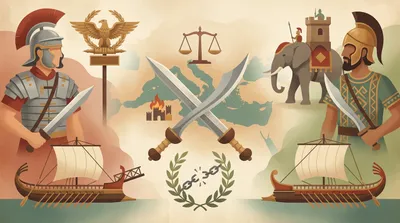
Punic Wars Battles Commanders And Outcomes
Test your grasp of the Punic Wars through the battles that shaped Rome and Carthage. Identify commanders, match engagements to outcomes, and track how each victory or defeat shifted the wider campaign. With mixed difficulty, you’ll move from famous set pieces to lesser-known clashes across three wars.
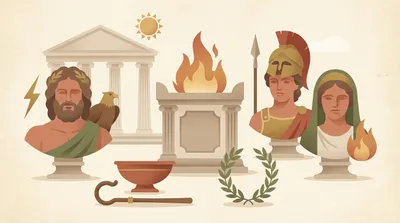
Roman Religion Gods Rites And Cults
Step into the sacred world of Ancient Rome and test what you know about gods, rites, temples, and public cults. This mixed-difficulty quiz spans major deities, household worship, priesthoods, festivals, and religious politics. Choose your preferred length and challenge level, then see how well you can connect names, rituals, and meanings.
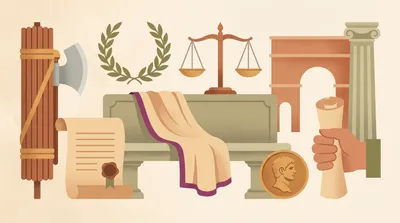
Roman Law Citizenship And Rights
Explore how Roman law defined citizenship, status, and legal protections across the Republic and Empire. You’ll compare rights of citizens, Latins, peregrini, and freedpeople, and see how privileges changed over time. Ideal for students and history fans who want sharper recall of key terms, edicts, and social categories.
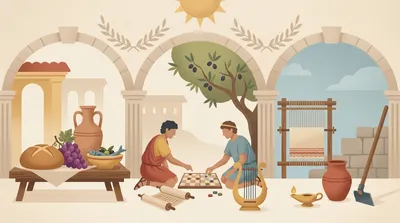
Roman Daily Life Class Food And Leisure
Step into the streets of ancient Rome and explore what ordinary people ate, wore, and did for fun. This quiz covers class differences, meals and markets, baths and games, and the rhythms of daily work and leisure. Expect a mixed difficulty set that rewards careful reading and solid context.
Roman Republic Offices And Powers
Step into the political engine of the Roman Republic and test what you know about its magistracies and authority. From consuls and praetors to censors, tribunes, and dictators, you’ll match offices to powers, limits, and procedures. Choose your question count and difficulty, then play at your own pace with no timer.
Julius Caesar Rise And Reforms
Step into the final decades of the Roman Republic and track Julius Caesar’s rise from ambitious politician to dominant power. This quiz explores his key alliances, campaigns, and reforms, along with the tensions that pushed Rome toward civil war. Expect a balanced mix of quick facts and deeper cause-and-effect questions.