Julius Caesar Rise And Reforms
Step into the final decades of the Roman Republic and track Julius Caesar’s rise from ambitious politician to dominant power. This quiz explores his key alliances, campaigns, and reforms, along with t...
Start Quiz
Pick a difficulty and question count to begin.
About this quiz
What you’ll practice
Follow Julius Caesar’s career through offices, alliances, wars, and political turning points, with special focus on what changed in Rome because of his actions.
Questions span people, places, dates, and motivations - so you’ll practice connecting reforms and events to their consequences, not just memorizing names.
Format, length, and difficulty
Each question has 4 options and there’s no timer, so you can read closely and think through the context before choosing.
Pick your preferred question count and difficulty before starting; the overall set is Mixed, blending approachable recall with tougher interpretation and sequence-based items.
- Identify major milestones: First Triumvirate, Gallic campaigns, civil war, dictatorship
- Match reforms to goals (debt, calendar, citizenship, administration, land and veterans)
- Distinguish key figures and factions (optimates vs populares, Senate vs assemblies)
- Track cause-and-effect: why decisions escalated conflict and reshaped institutions
- Build chronology skills: ordering events from early career to the Ides of March
Common pitfalls to avoid
Many misses come from mixing up similarly named offices and titles, or assuming later Imperial structures already existed in Caesar’s time.
Another frequent trap is treating reforms as isolated “laws”; try to link each change to a political problem Caesar was addressing and who benefited or resisted.
How the challenge stays fair
Difficulty is balanced by alternating straightforward identification questions with deeper prompts about motives, outcomes, and comparisons across phases of Caesar’s rise.
Because there’s no timer, careful reading is rewarded - especially on questions that hinge on wording like “immediate cause” versus “long-term effect.”
Sample questions
What year was Julius Caesar born?
- A.100 BC
- B.44 BC
- C.75 BC
- D.50 BC
Which political alliance was formed by Julius Caesar, Pompey, and Crassus?
- A.First Triumvirate
- B.Second Triumvirate
- C.Senate Coalition
- D.Imperial Alliance
What title did Julius Caesar famously declare for himself in 44 BC?
- A.Dictator for Life
- B.Emperor of Rome
- C.Consul
- D.King of the Romans
Quiz FAQ
How many questions are in this quiz?
This quiz has 197 questions covering Julius Caesar’s rise, conflicts, and reforms in Ancient Rome.
What topics are included in Julius Caesar’s rise and reforms?
You’ll see alliances, offices, the Gallic Wars, the civil war, dictatorship, and major reforms and their impacts on Roman politics.
Is the quiz timed?
No. Every question has 4 options and there’s no timer, so you can answer at your own pace.
Can I choose the number of questions and difficulty?
Yes. You can select your preferred question count and a difficulty level before you start; the full quiz is Mixed overall.
What makes this quiz Mixed difficulty?
It combines easy recall (people, places, terms) with harder items that test chronology, causes, and the consequences of reforms.
Related Quizzes
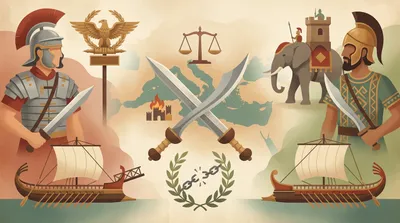
Punic Wars Battles Commanders And Outcomes
Test your grasp of the Punic Wars through the battles that shaped Rome and Carthage. Identify commanders, match engagements to outcomes, and track how each victory or defeat shifted the wider campaign. With mixed difficulty, you’ll move from famous set pieces to lesser-known clashes across three wars.
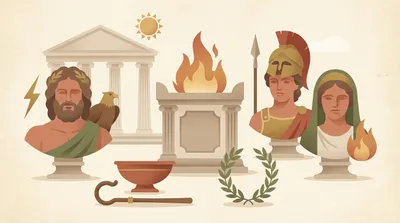
Roman Religion Gods Rites And Cults
Step into the sacred world of Ancient Rome and test what you know about gods, rites, temples, and public cults. This mixed-difficulty quiz spans major deities, household worship, priesthoods, festivals, and religious politics. Choose your preferred length and challenge level, then see how well you can connect names, rituals, and meanings.

Augustus Principate Institutions And Propaganda
Test how well you know the institutions, titles, and messaging that shaped Augustus’ Principate. Questions range from constitutional settlements and senatorial roles to monuments, coinage, and public image. Choose your preferred question count and difficulty, then play at your own pace with no timer.
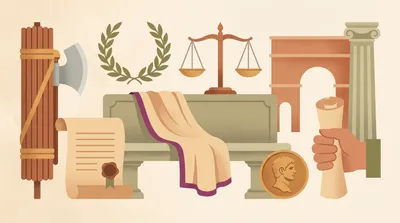
Roman Law Citizenship And Rights
Explore how Roman law defined citizenship, status, and legal protections across the Republic and Empire. You’ll compare rights of citizens, Latins, peregrini, and freedpeople, and see how privileges changed over time. Ideal for students and history fans who want sharper recall of key terms, edicts, and social categories.

Roman Daily Life Class Food And Leisure
Step into the streets of ancient Rome and explore what ordinary people ate, wore, and did for fun. This quiz covers class differences, meals and markets, baths and games, and the rhythms of daily work and leisure. Expect a mixed difficulty set that rewards careful reading and solid context.
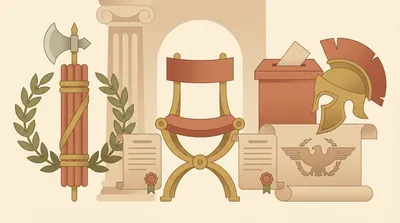
Roman Republic Offices And Powers
Step into the political engine of the Roman Republic and test what you know about its magistracies and authority. From consuls and praetors to censors, tribunes, and dictators, you’ll match offices to powers, limits, and procedures. Choose your question count and difficulty, then play at your own pace with no timer.