Managing distractions during study sessions
Distractions can quietly drain your focus, even when you’re motivated. This quiz helps you spot what pulls you off task and choose practical ways to stay on track. Expect a mix of quick scenario quest...
Start Quiz
Pick a difficulty and question count to begin.
About this quiz
What you’ll practice
Staying focused is a skill you can train, and this quiz targets the habits that matter most during real study sessions. You’ll practice identifying distraction triggers, choosing effective responses, and setting up an environment that supports deep work.
Each question has 4 options and there’s no timer, so you can think through scenarios and reflect on what would actually work for you.
Difficulty and quiz setup
Difficulty is mixed on purpose: easier items cover core concepts (like notification control and workspace setup), while tougher ones test judgment in messy, realistic situations (like multitasking pressure or anxiety-driven checking). Before you start, choose your preferred question count and difficulty to match your time and confidence level.
Common pitfalls to avoid
Many learners try to “power through” distractions instead of preventing them, or they over-rely on willpower and burn out. The questions highlight these patterns so you can replace them with simple, repeatable systems.
- Confusing being busy (tabs, tasks, tools) with making progress
- Leaving notifications on and assuming you’ll ignore them
- Studying without a clear next step, which invites procrastination
- Using “quick breaks” that turn into long scrolling sessions
- Trying to multitask and losing accuracy and retention
Sample questions
What is a common method to minimize distractions during study sessions?
- A.Using noise-canceling headphones
- B.Studying in a busy café
- C.Keeping the TV on
- D.Using a smartphone for music
Which environment is typically best for focused studying?
- A.A quiet library
- B.A loud party
- C.A crowded cafeteria
- D.A bedroom with the TV on
What is the Pomodoro Technique?
- A.A time management method using timed intervals
- B.A type of study group
- C.A way to make flashcards
- D.A diet plan
Quiz FAQ
How many questions are in this quiz?
This quiz has 120 questions covering common study distractions, prevention tactics, and focus habits.
Is there a timer on the questions?
No. The quiz has no timer, so you can answer at your own pace and think through each scenario.
What format are the questions in?
Each question is multiple-choice with 4 options, designed to test practical decision-making during study sessions.
How is the difficulty balanced in this quiz?
It’s mixed: some questions cover fundamentals, while others use realistic situations that require choosing the best strategy.
Can I choose the number of questions and difficulty?
Yes. You can select your preferred question count and difficulty before starting to fit your schedule and skill level.
Play this quiz in another language(7)
Related Quizzes

Planning a study schedule that sticks
Build a study plan you can actually follow, not just write down. This quiz tests how you set goals, pick realistic time blocks, and stay consistent when motivation dips. Expect a mix of quick wins and deeper strategy checks for everyday study life.
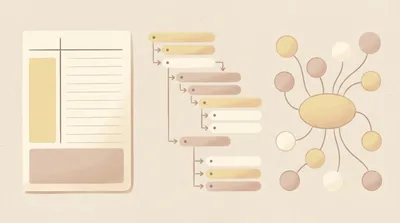
Note-taking methods: Cornell, outline, and mapping
Sharpen your study skills by testing what you know about the Cornell, outline, and mapping note-taking methods. You’ll practice choosing the right structure for different lectures and readings, spotting strong cues/summaries, and organizing ideas clearly. Mixed difficulty keeps it useful for beginners and refreshers alike.

What happens next in scenes?
Think you can predict the next beat in a family-movie scene? This quiz drops you into familiar moments and asks what happens next, based on context clues, character habits, and classic storytelling. Pick your answer and see how well you remember the setup-to-payoff rhythm.

Brain lobes and core functions
Map the brain’s major lobes to what they do in everyday thinking and behavior. This mixed-difficulty quiz checks your grasp of frontal, parietal, temporal, and occipital functions, plus key “core” structures. Each question uses 4 options and there’s no timer, so you can focus on accuracy.

Guess the song from emoji clues
Decode emoji riddles into real songs in this playful music challenge. Each clue hints at a title, lyric, or artist reference - your job is to connect the icons to the track. With a mixed difficulty set, you’ll see both instant classics and trickier brain-teasers.

Guess the song from one lyric
Can you name the track from a single lyric? This mixed-difficulty quiz spans classics, pop hits, rock anthems, and modern chart-toppers, all with just one line to go on. Pick your preferred question count and difficulty, then see how many songs you can recognize on sight.