Planning a study schedule that sticks
Build a study plan you can actually follow, not just write down. This quiz tests how you set goals, pick realistic time blocks, and stay consistent when motivation dips. Expect a mix of quick wins and...
Start Quiz
Pick a difficulty and question count to begin.
About this quiz
What you’ll practice
A schedule that sticks is less about willpower and more about smart design. These questions help you plan around energy, deadlines, and real-life interruptions.
You’ll practice breaking big tasks into doable sessions, choosing the right review rhythm, and protecting focus time without burning out.
Format and difficulty
Each question has 4 options and there’s no timer, so you can think through trade-offs like workload, spacing, and recovery time. Pick your preferred question count and difficulty before you start - Mixed mode blends easy fundamentals with tougher scenario decisions for a balanced challenge.
Common pitfalls (and how to avoid them)
Many schedules fail because they’re too packed, too vague, or built for a “perfect week” that never happens. This quiz highlights the small planning errors that quietly derail consistency.
- Overestimating how much you can do in a single session
- Skipping buffer time for delays, fatigue, and admin tasks
- Planning only by hours, not by outcomes and priority
- Ignoring spaced review and relying on last-minute cramming
- Studying at your lowest-energy times without adjusting the task
Tips to get more value from your results
After you finish, note which scenarios you missed (e.g., long-term projects vs. daily routines) and adjust one habit at a time. A schedule improves fastest when you test small changes weekly and keep what works.
Sample questions
What is the recommended maximum number of study hours per day for effective learning?
- A.4-6 hours
- B.1-2 hours
- C.8-10 hours
- D.12 hours
Which method is best for tracking study progress over time?
- A.Study log
- B.Social media
- C.Random notes
- D.Email reminders
What is a common starting point when creating a study schedule?
- A.Defining study goals
- B.Choosing a random date
- C.Buying study materials
- D.Asking friends for help
Quiz FAQ
How many questions are in this quiz?
This quiz has 116 questions on planning a study schedule that sticks.
Is the quiz timed?
No - there’s no timer, so you can answer at your own pace.
What answer format does the quiz use?
Every question is multiple choice with 4 options.
What difficulty level should I choose?
Mixed is great for most players, combining basics with scenario-based challenges. Choose easier for fundamentals or harder for stricter planning decisions.
What study skills will I improve here?
You’ll practice goal-setting, time-blocking, prioritization, spaced review planning, and building routines that survive busy weeks.
Play this quiz in another language(7)
Related Quizzes

Managing distractions during study sessions
Distractions can quietly drain your focus, even when you’re motivated. This quiz helps you spot what pulls you off task and choose practical ways to stay on track. Expect a mix of quick scenario questions and strategy checks designed for real study sessions.
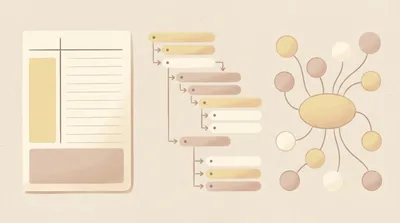
Note-taking methods: Cornell, outline, and mapping
Sharpen your study skills by testing what you know about the Cornell, outline, and mapping note-taking methods. You’ll practice choosing the right structure for different lectures and readings, spotting strong cues/summaries, and organizing ideas clearly. Mixed difficulty keeps it useful for beginners and refreshers alike.

What happens next in scenes?
Think you can predict the next beat in a family-movie scene? This quiz drops you into familiar moments and asks what happens next, based on context clues, character habits, and classic storytelling. Pick your answer and see how well you remember the setup-to-payoff rhythm.

Brain lobes and core functions
Map the brain’s major lobes to what they do in everyday thinking and behavior. This mixed-difficulty quiz checks your grasp of frontal, parietal, temporal, and occipital functions, plus key “core” structures. Each question uses 4 options and there’s no timer, so you can focus on accuracy.

Guess the song from emoji clues
Decode emoji riddles into real songs in this playful music challenge. Each clue hints at a title, lyric, or artist reference - your job is to connect the icons to the track. With a mixed difficulty set, you’ll see both instant classics and trickier brain-teasers.

Guess the song from one lyric
Can you name the track from a single lyric? This mixed-difficulty quiz spans classics, pop hits, rock anthems, and modern chart-toppers, all with just one line to go on. Pick your preferred question count and difficulty, then see how many songs you can recognize on sight.