Theropods vs sauropods vs ornithischians
Sort the dinosaur family tree by learning what sets theropods, sauropods, and ornithischians apart. This mixed-difficulty quiz focuses on body plans, diets, and hallmark traits so you can classify din...
Start Quiz
Pick a difficulty and question count to begin.
About this quiz
What you’ll practice
You’ll train your eye for the defining features of theropods, sauropods, and ornithischians - especially hips, posture, feeding adaptations, and overall body shape. Questions range from quick ID checks to trickier comparisons, keeping the difficulty mixed but fair.
Because every item uses 4 options and there’s no timer, you can slow down and reason from clues instead of guessing under pressure.
Common pitfalls to avoid
Many players mix up “lizard-hipped” vs “bird-hipped” labels, or assume diet alone decides the group. Another frequent slip is treating size as a shortcut (not all huge dinosaurs are sauropods, and not all two-legged dinosaurs are theropods).
- Don’t rely only on diet; use hips, stance, and skull/neck/tail clues too
- Watch for look-alike traits (horns, plates, crests) that can mislead classification
- Remember: theropods are mostly bipedal; sauropods are classic long-necked quadrupeds
- Ornithischians often show specialized chewing and beaks, but details vary
- Use elimination: rule out two options first, then choose between the closest pair
Choosing length and difficulty
Set your preferred question count before you start if you want a quick run or a longer study session; the full quiz contains 103 questions. Difficulty is balanced by mixing straightforward group traits with more nuanced items, so beginners can learn while experienced players still get challenged.
Sample questions
What is a primary characteristic of theropods?
- A.They are primarily bipedal and carnivorous.
- B.They have long necks and tails.
- C.They are predominantly herbivorous.
- D.They have armored plates.
Which of the following is a well-known theropod dinosaur?
- A.Tyrannosaurus rex
- B.Brachiosaurus
- C.Stegosaurus
- D.Triceratops
What distinguishes sauropods from theropods?
- A.Sauropods are long-necked and primarily herbivorous.
- B.Sauropods are bipedal and carnivorous.
- C.Sauropods have feathers.
- D.Sauropods are small and agile.
Quiz FAQ
How many questions are in this quiz?
This quiz has 103 questions focused on theropods, sauropods, and ornithischians.
Is this quiz timed?
No. There is no timer, so you can take your time on each multiple-choice question.
What format are the questions in?
Each question is multiple choice with 4 options, designed for quick comparison and classification.
What difficulty level should I expect?
The difficulty is mixed, combining easy trait checks with tougher look-alike and terminology questions.
How do I choose the quiz length or difficulty?
Pick your preferred question count and difficulty setting on the start panel before beginning your attempt.
Play this quiz in another language(7)
Related Quizzes
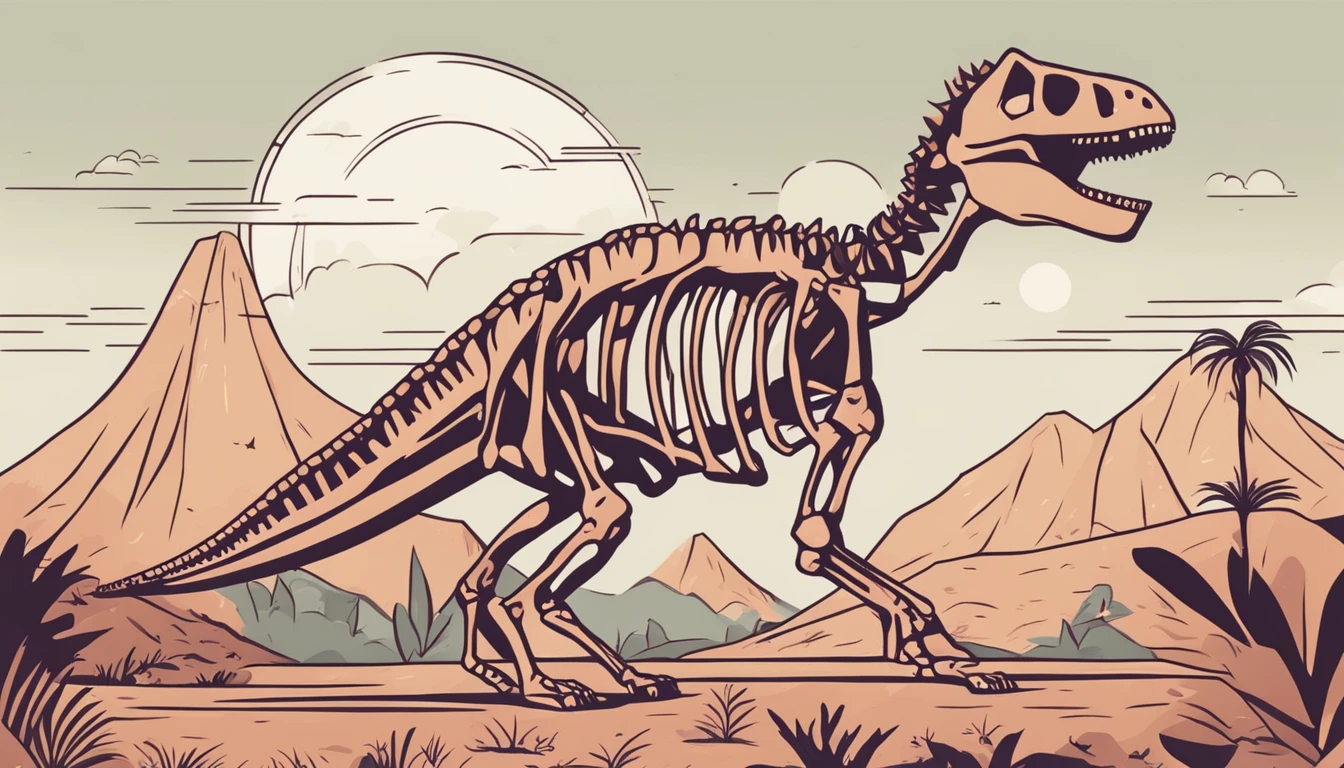
Dinosaur eras: Triassic, Jurassic, and Cretaceous
Travel through the Triassic, Jurassic, and Cretaceous with questions on key dinosaurs, timelines, and major evolutionary shifts. You’ll sort who lived when, what changed across eras, and which fossils define each chapter of the Mesozoic. Pick your question count and difficulty, then play at your own pace with no timer.
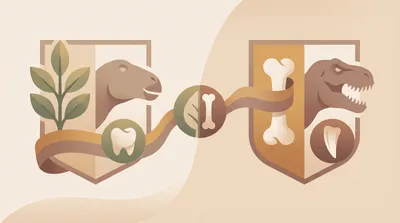
Famous dinosaurs by diet and teeth
Test how well you can match famous dinosaurs to their diets by reading the clues in their teeth and jaws. From leaf-shredding batteries to bone-crushing bite marks, each question sharpens your ability to infer what a dinosaur ate. Expect a mixed spread of easy recognitions and trickier look-alikes.
Genetics Basics: Genes To Traits
Explore how traits are inherited through genes and alleles. Covers Mendelian inheritance, dominant/recessive patterns, and simple Punnett-square reasoning.
Human Body Systems And Functions
Test your knowledge of major human body systems and what they do. Covers organs, system interactions, and basic physiology terms.
Physics: Forces Motion And Energy
Test core physics concepts behind everyday motion. Covers Newton’s laws, friction, work and energy, momentum, and simple conceptual scenarios.

Astronomy: Stars Planets And Galaxies
Check your understanding of objects and processes in space. Covers star life cycles, planet types, galaxies, and basic observational astronomy terms.