Bones of the axial skeleton
Test your knowledge of the axial skeleton - skull, vertebral column, thoracic cage, and key landmarks. This mixed-difficulty quiz helps you identify bones and major features while reinforcing correct ...
Start Quiz
Pick a difficulty and question count to begin.
About this quiz
What this quiz covers
From the cranium to the coccyx, these questions focus on the bones that form the body’s central framework: skull bones, vertebrae, ribs, sternum, and related structures.
You’ll practice recognizing names, locations, and groupings (cranial vs facial bones, cervical vs thoracic vs lumbar vertebrae) using clear, exam-style prompts.
Format and difficulty
Each question has 4 options and there’s no timer, so you can think carefully and learn as you go. Choose how many questions you want to answer and select an easier or harder setting - or keep it Mixed for a balanced spread.
Common pitfalls to avoid
Many mistakes come from mixing up similar terms (for example, vertebral regions or skull bone names) or confusing bone names with landmarks and sutures.
Tips for better scores
- Review the main axial divisions: skull, vertebral column, and thoracic cage
- Drill vertebral regions in order and link them to typical features
- Don’t confuse cranial bones with facial bones when options look similar
- Watch for laterality and specific wording (body, arch, process, manubrium)
- Use missed questions to build a quick “trouble list” and retest it
How the balance works
Mixed difficulty blends straightforward identification with more detailed distinctions, so beginners can build confidence while advanced learners still get challenged. If you’re cramming, try shorter sets on higher difficulty; for steady improvement, use longer sets on Mixed and aim for consistency.
Sample questions
What is the first vertebra of the spine called?
- A.Atlas
- B.Axis
- C.Cervical
- D.Lumbar
What is the name of the bone that makes up the forehead?
- A.Frontal bone
- B.Parietal bone
- C.Temporal bone
- D.Occipital bone
Which bone is located at the base of the skull?
- A.Occipital bone
- B.Temporal bone
- C.Frontal bone
- D.Sphenoid bone
Quiz FAQ
How many questions are in this quiz?
This quiz has 120 questions on the bones of the axial skeleton.
What topics are included in the axial skeleton here?
Expect skull bones, vertebral column regions, ribs, sternum, and related bony structures.
What is the quiz format?
Each question has 4 answer options and there is no timer.
Can I change the difficulty or number of questions?
Yes. You can choose your question count and set the difficulty, or keep it on Mixed.
What are common mistakes in axial skeleton questions?
Mixing up cranial vs facial bones and confusing vertebral regions are the most frequent pitfalls.
Related Quizzes
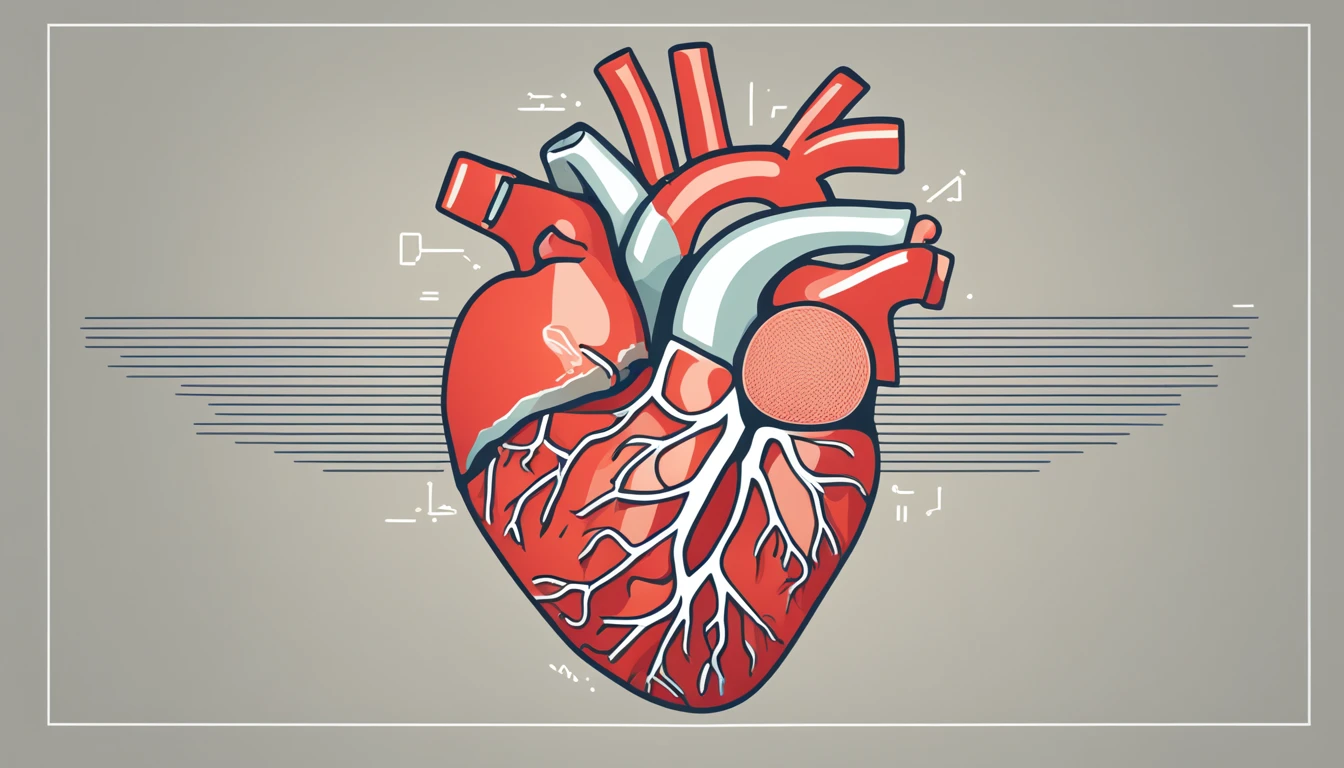
Heart chambers, valves, and vessels
Test your knowledge of the heart’s chambers, valves, and major vessels in one focused anatomy quiz. You’ll trace blood flow, match structures to functions, and spot key landmarks used in clinical descriptions. Choose your preferred question count and difficulty, then practice at your own pace with no timer.
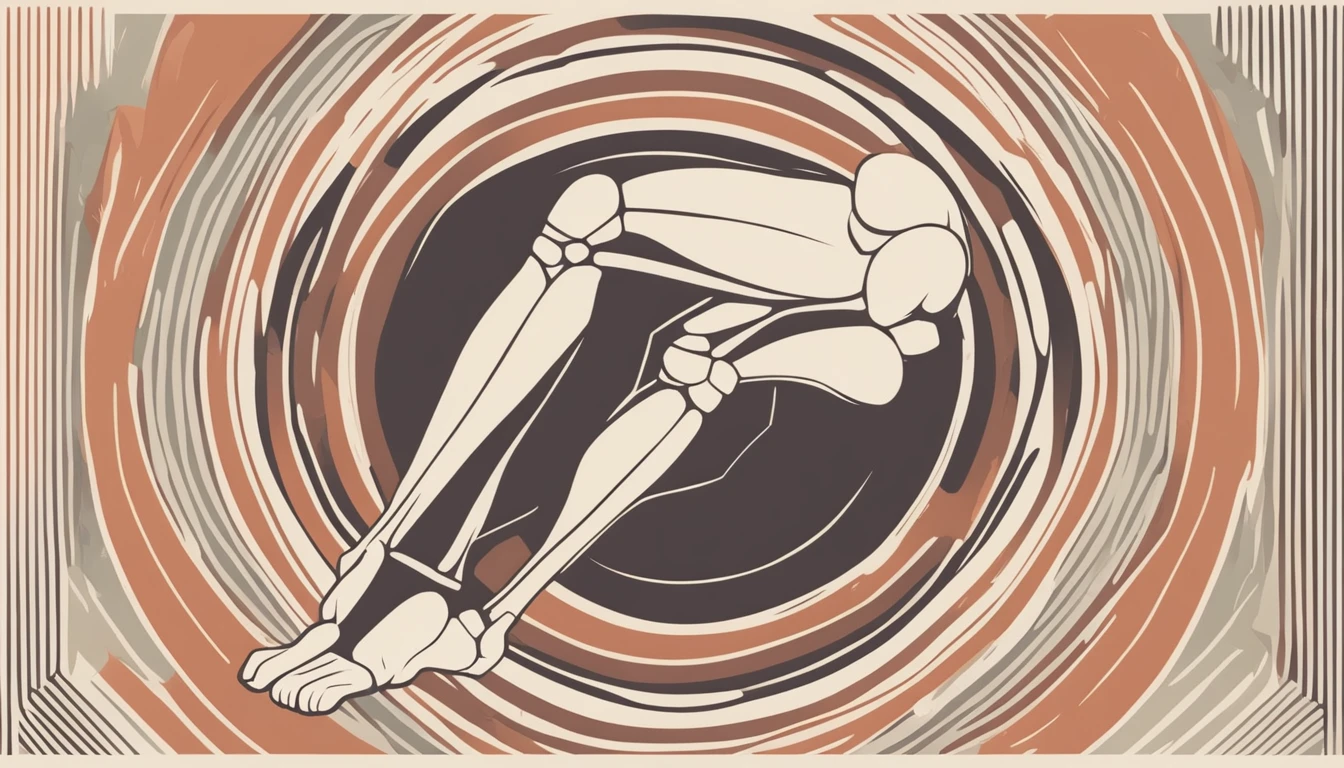
Major joints and their movements
Test your knowledge of the body’s major joints and the movements they allow, from flexion and extension to rotation and circumduction. Questions span upper and lower limb joints plus key spinal and shoulder-girdle mechanics. Build confidence for anatomy classes, exams, and clinical movement analysis.

Genetics Basics: Genes To Traits
Explore how traits are inherited through genes and alleles. Covers Mendelian inheritance, dominant/recessive patterns, and simple Punnett-square reasoning.
Human Body Systems And Functions
Test your knowledge of major human body systems and what they do. Covers organs, system interactions, and basic physiology terms.
Physics: Forces Motion And Energy
Test core physics concepts behind everyday motion. Covers Newton’s laws, friction, work and energy, momentum, and simple conceptual scenarios.

Astronomy: Stars Planets And Galaxies
Check your understanding of objects and processes in space. Covers star life cycles, planet types, galaxies, and basic observational astronomy terms.