Biology
Explore Biology through key ideas about living things, from cells to ecosystems. Practice concepts in Ecology, Anatomy, Evolution, and Genetics, and strengthen your understanding of how organisms function and change over time.
Subcategories
Quizzes
Evolutionary evidence: fossils, homology, and biogeography
Population growth: exponential and logistic
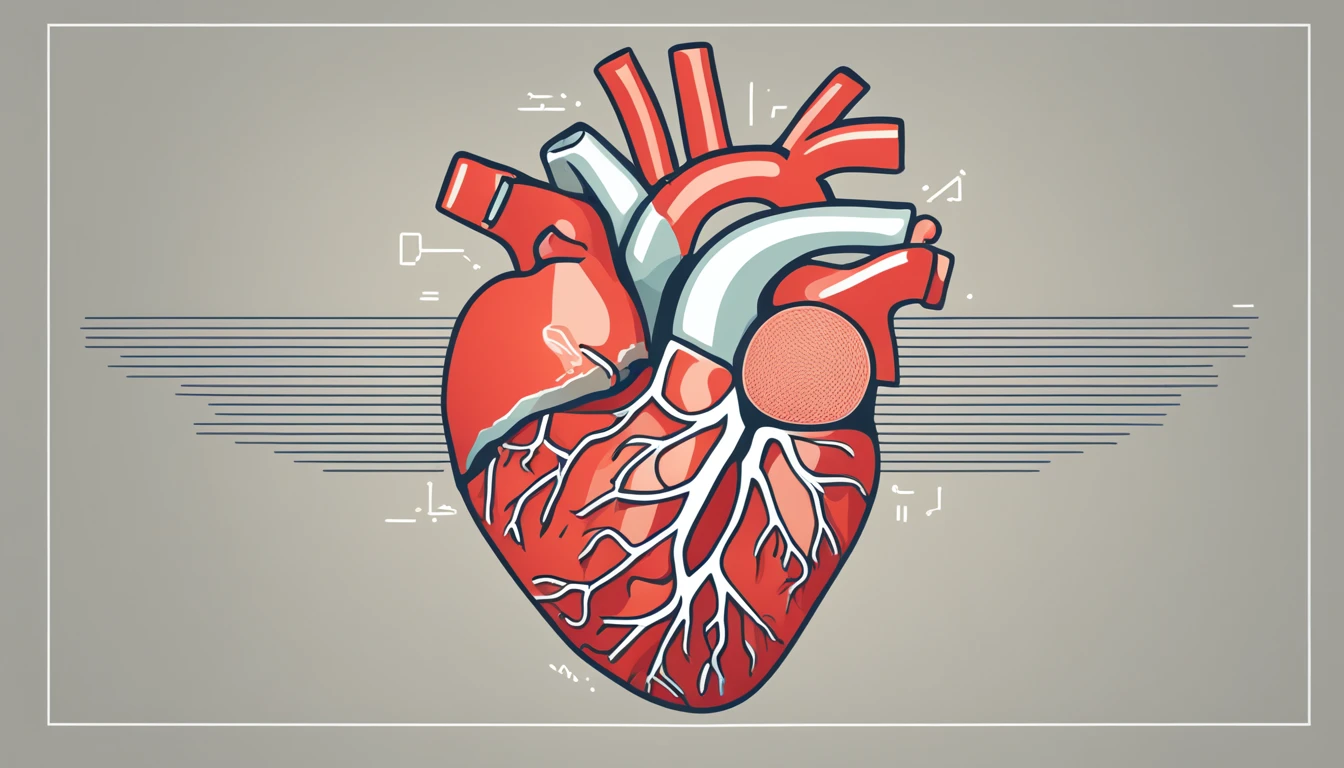
Heart chambers, valves, and vessels
Natural selection: fitness, trade-offs, and adaptation
Bones of the axial skeleton
Speciation: isolation, divergence, and hybrids
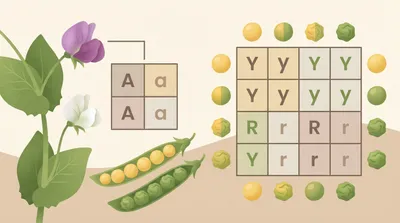
Mendelian inheritance: monohybrid and dihybrid crosses
Major joints and their movements
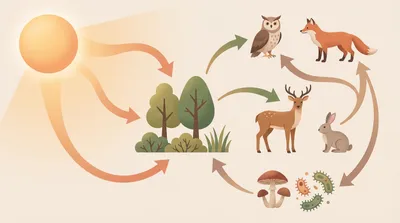
Energy flow in food webs
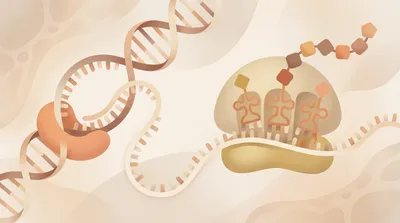
Gene expression: transcription and translation basics

Nutrient cycles: carbon, nitrogen, and phosphorus
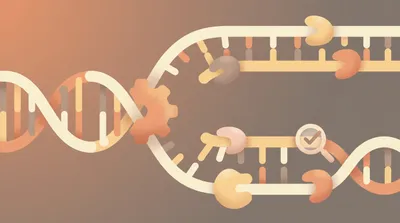
DNA replication: enzymes and proofreading
What you'll find here
- Curated quizzes focused on Biology
- Difficulty spread from easy to hard
- Randomized questions with instant feedback
- Quizzes you can replay and compare on the leaderboard
See this category in other languages
Category FAQ
How many Biology quizzes are available?
There are 12 quizzes with 1432 total questions in the Biology category.
What topics are covered in the Biology category?
Topics include Ecology, Anatomy, Evolution, and Genetics, covering ecosystems, body systems, natural selection, DNA, inheritance, and gene expression.
How do Biology quizzes work on Baviro?
Each quiz uses 4-option multiple choice questions with no time limit. You can answer at your own pace and review your results at the end.
Are these quizzes good for exam practice or revision?
Yes. With 12 quizzes and 1432 questions, you can practice key Biology concepts across Ecology, Anatomy, Evolution, and Genetics for quick revision.
More to explore
What you’ll practice
Biology connects structure, function, and change across all forms of life. These quizzes help you review core terms, processes, and real-world examples.
Quiz format
Each question has 4 answer options and there’s no timer, so you can think carefully and learn as you go.
Topics inside Biology
From ecosystems and body systems to inheritance and natural selection, Biology explains how life is organized and how it adapts.
- Ecology: food webs, populations, and biomes
- Anatomy: organs, tissues, and body systems
- Evolution: natural selection, adaptation, and speciation
- Genetics: DNA, genes, and inheritance patterns
- Cells: basic structures and key processes like respiration
- Scientific skills: interpreting diagrams and simple data
Quick facts
Humans share about 99.9% of their DNA with each other, yet small differences can affect traits. Many organisms rely on symbiosis - close partnerships that can benefit one or both species.