Court ceremony: titles, rituals, and power
Step into the world of Byzantine court ceremony, where titles, rituals, and protocol shaped real political power. This quiz explores offices, rankings, public processions, and the symbolism of dress a...
Start Quiz
Pick a difficulty and question count to begin.
About this quiz
What you’ll explore
Byzantine court ceremony wasn’t just pageantry - it was a language of authority, hierarchy, and access to the emperor. These questions focus on how titles, audiences, and ritual actions communicated who mattered and why.
You’ll practice recognizing key offices and honorifics, understanding what ceremonies aimed to achieve, and spotting how ritual could reinforce (or disguise) shifting power at court.
Format and difficulty controls
Each question gives you 4 options and there’s no timer, so you can read carefully and learn as you go. Choose your preferred question count before you start, and pick an easier or harder setting to adjust how often you’ll see tricky distinctions and close-sounding titles.
Common pitfalls to avoid
A frequent mistake is treating titles as fixed across centuries; many changed meaning, prestige, or availability over time. Another trap is mixing up ceremonial roles with administrative power - some posts were mainly honorific, while others opened doors to real influence.
- Watch for near-identical titles and ranks that differ by one word or suffix.
- Separate “court visibility” from “bureaucratic control” when judging influence.
- Note when a ritual is about legitimacy, not logistics.
- Pay attention to context clues: reign, dynasty, or setting can narrow the right answer.
- Don’t assume Western feudal equivalents map neatly onto Byzantine offices.
How the challenge stays balanced
The quiz mixes quick wins (basic identifications and famous ceremonies) with higher-difficulty items (nuanced rank order, ceremonial purpose, and evolving terminology). That blend keeps momentum while still rewarding careful reading and historical context.
Sample questions
What was the title given to the Byzantine Emperor?
- A.Basileus
- B.Kaiser
- C.Dux
- D.King
What was the primary ritual involving the Byzantine Emperor's coronation called?
- A.Anointment
- B.Investiture
- C.Installation
- D.Acclamation
Which title referred to a high-ranking Byzantine official often responsible for military matters?
- A.Strategos
- B.Count
- C.Viscount
- D.Squire
Quiz FAQ
How many questions are in this quiz?
This quiz has 197 questions covering titles, rituals, protocol, and court power in the Byzantine Empire.
Is this quiz timed?
No - there’s no timer. You can take your time with each 4-option multiple-choice question.
What skills will I practice here?
You’ll practice identifying court titles, understanding ceremonial functions, and linking ritual display to political authority.
Why do some questions feel harder than others?
Difficulty is mixed on purpose, combining basic recognition with subtle rank distinctions and changing meanings across periods.
Can I choose the number of questions and difficulty?
Yes. Before starting, select your preferred question count and pick a difficulty level that matches how challenging you want it to be.
Play this quiz in another language(7)
Related Quizzes
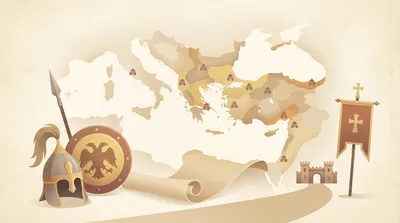
Themes, Tagmata, and Byzantine Army
Test how well you know the military-administrative system of the Byzantine Empire, from Themes and Tagmata to recruitment and command. Questions range from basic definitions to deeper details about reforms, units, and strategy. Choose your preferred difficulty and question count, then play at your own pace with no timer.

The Great Schism: causes and aftermath
Trace how theological disputes, political rivalry, and cultural friction split Eastern and Western Christianity. This quiz explores the lead-up to 1054, the key figures and flashpoints, and the long-term consequences for Byzantium and Latin Europe. Expect a mixed set that moves from core facts to deeper context.
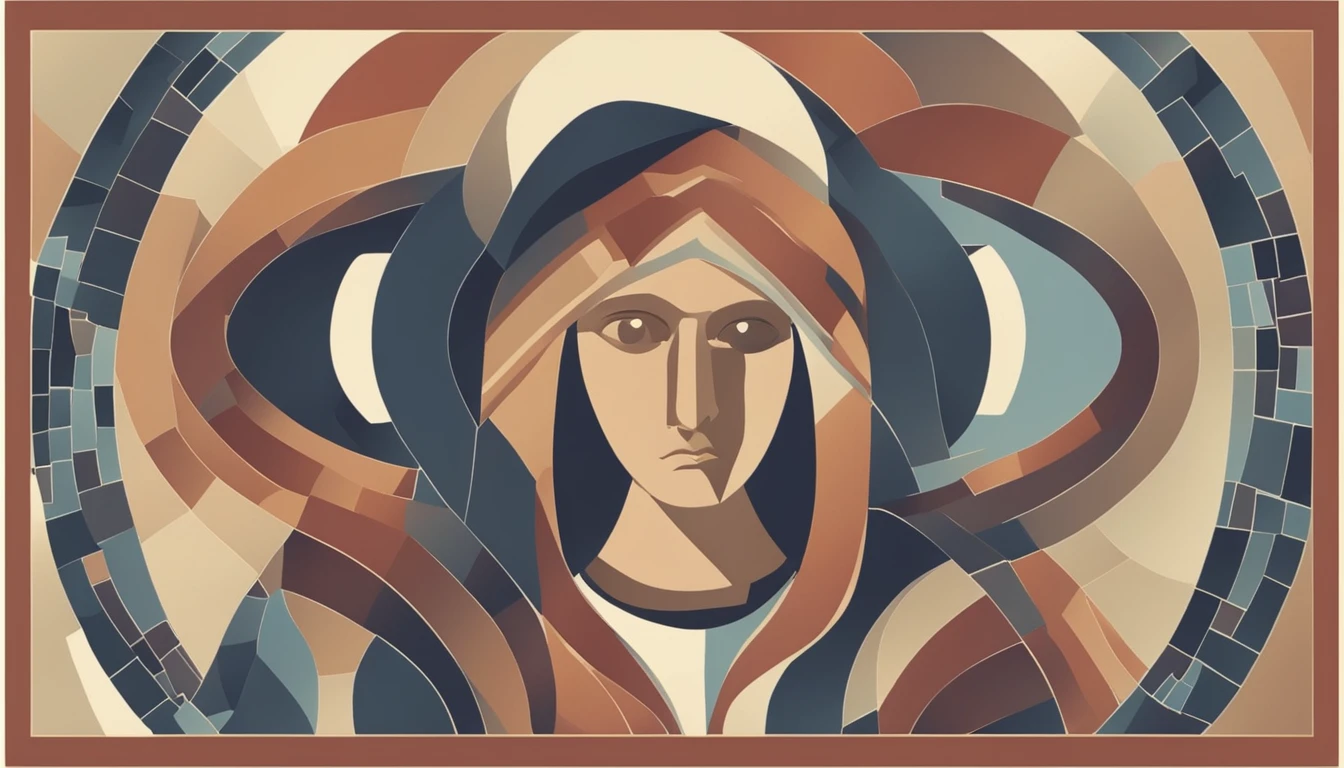
Byzantine art: mosaics, icons, and churches
Step into the world of Byzantine art through shimmering mosaics, sacred icons, and monumental church design. This mixed-difficulty quiz covers key sites, styles, symbolism, and historical context from late antiquity through the empire’s later centuries. Choose your preferred question count and difficulty, then test what you know with calm, no-timer play.

Themes: provinces, taxes, and governors
Step into the administrative world of the Byzantine Empire and test what you know about themes, provincial governance, and taxation. Questions range from basic definitions to tricky distinctions between offices and fiscal terms. Choose how many questions you want and set the difficulty that fits your study goals - then play at your own pace.
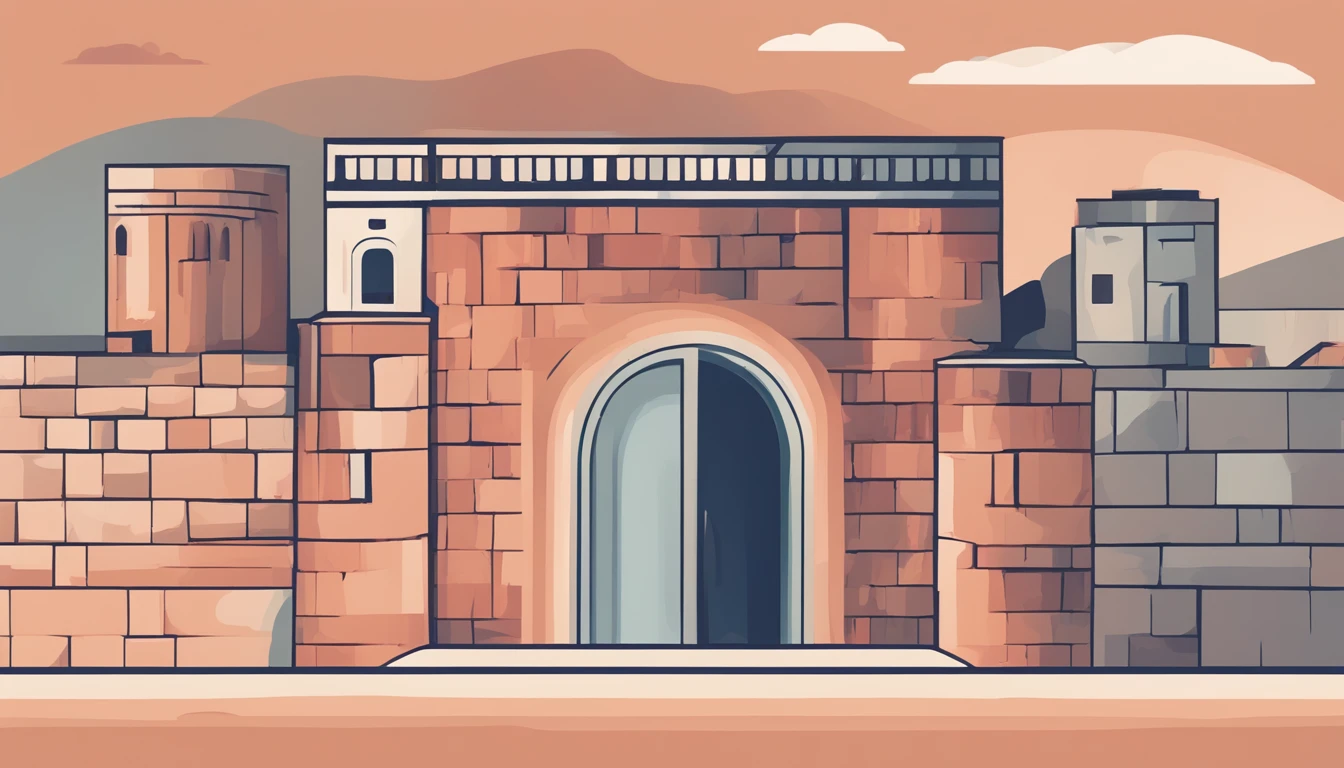
Constantinople: walls, sieges, and survival
Test your knowledge of Constantinople’s defenses, famous sieges, and the city’s long fight for survival. From the Theodosian Walls to naval blockades and last-ditch diplomacy, this mixed-difficulty quiz spans centuries of Byzantine strategy and resilience. Choose your preferred question count and difficulty, then play at your own pace.
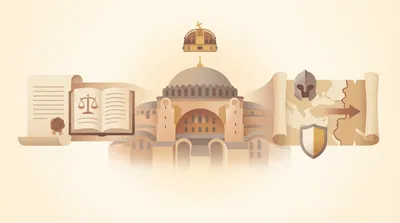
Justinian’s Reforms and Reconquests
Test your knowledge of Emperor Justinian I’s ambitious reign - from sweeping legal reforms to bold campaigns to restore Roman territory. Explore the Corpus Juris Civilis, court politics, and key reconquests in Italy, Africa, and beyond. With mixed difficulty, this quiz suits both newcomers and Byzantine history fans.