Byzantine Empire
Explore the Byzantine Empire through quizzes on emperors, wars, religion, and daily life from late antiquity to the fall of Constantinople. Practice key dates, terms, and turning points, from Justinian’s reforms to the Komnenian revival and the Fourth Crusade.
Quizzes
Emperors and succession in Byzantium
Court ceremony: titles, rituals, and power
Byzantine economy: coinage, trade, and guilds
Byzantine law: codes and courts
Greek fire and Byzantine naval power

Fall of Constantinople: 1204 and 1453
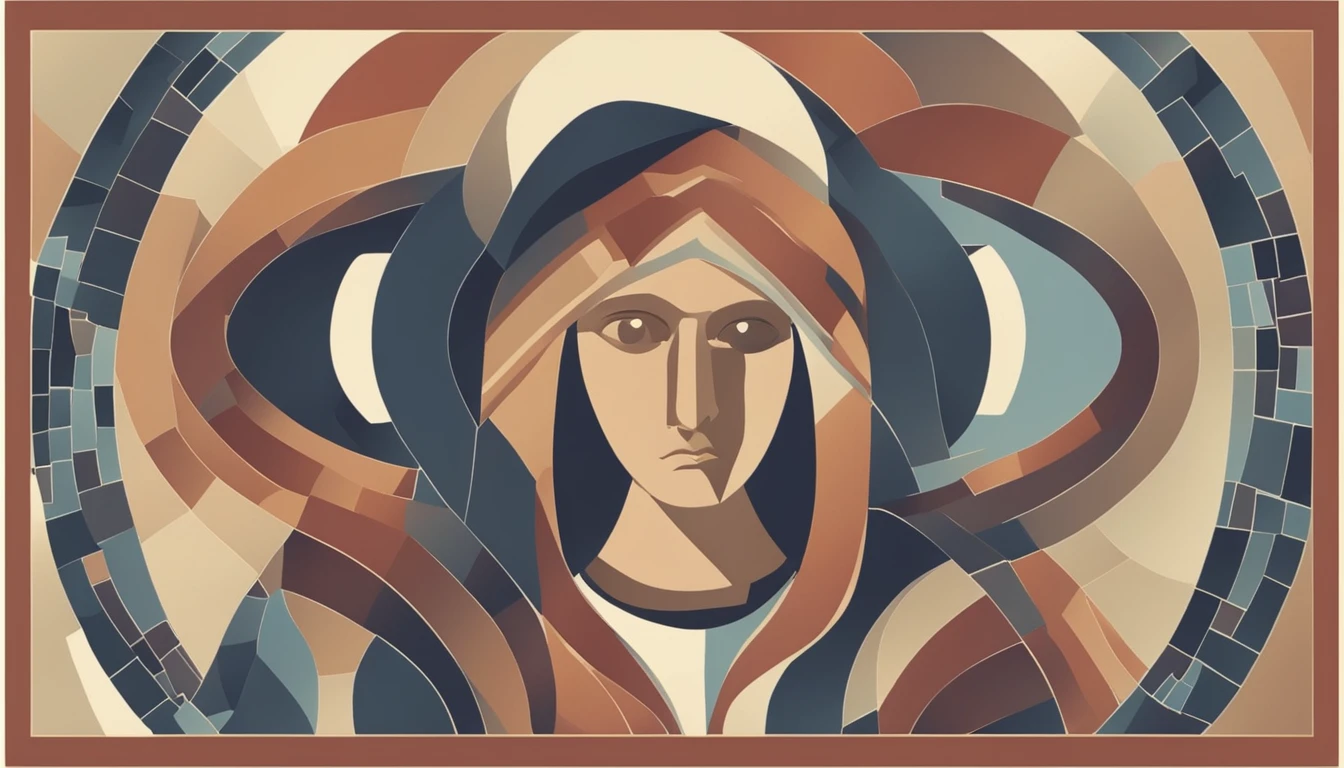
Byzantine art: mosaics, icons, and churches
Justinian’s Reforms and Reconquests
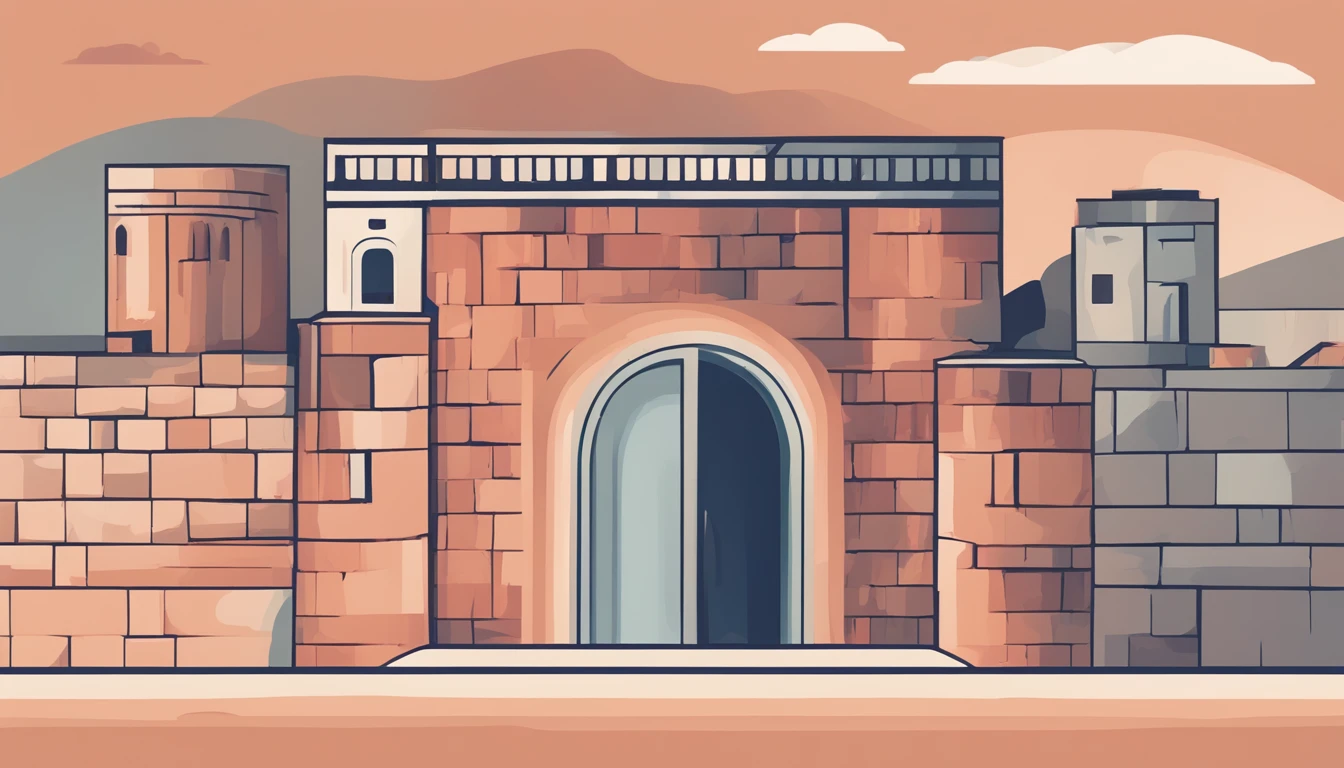
Constantinople: walls, sieges, and survival
Themes: provinces, taxes, and governors
Themes, Tagmata, and Byzantine Army
The Great Schism: causes and aftermath
Iconoclasm and Church Controversies
What you'll find here
- Curated quizzes focused on Byzantine Empire
- Difficulty spread from easy to hard
- Randomized questions with instant feedback
- Quizzes you can replay and compare on the leaderboard
See this category in other languages
Category FAQ
How many quizzes are available?
There are 13 quizzes with 2415 questions total.
Do these Byzantine Empire quizzes have a timer?
No. Each question is untimed, so you can work at your own pace.
How are the questions formatted?
Each question uses 4 multiple-choice options, designed for quick checking of facts and concepts.
Are the quizzes suitable for different difficulty levels?
Yes. You’ll find both shorter review-style quizzes and longer sets that cover more detailed names, dates, and events.
What topics are covered in this category?
Expect emperors and dynasties, wars and diplomacy, religion and church history, and culture such as art, law, and administration.
More to explore
What you’ll learn about the Byzantine Empire
These quizzes help you practice the main timeline, major rulers, and the political and religious debates that shaped the Eastern Roman Empire.
You’ll also review key geography and neighbors - from the Sasanian Persians and early Islamic caliphates to Bulgars, Rus’, and the Latin Crusader states.
How the quizzes work
Each question has 4 answer options, and there’s no timer, so you can focus on careful reading and recall.
Quiz difficulty and length vary: some sets target quick revision of core facts, while others go deeper into names, dates, and cause-and-effect across longer question runs.
- Identify emperors, dynasties, and succession crises
- Track major wars, treaties, and turning points (e.g., Manzikert, 1204)
- Understand church history, councils, and the East–West Schism
- Practice art and architecture terms such as mosaics, icons, and Hagia Sophia
- Review administration and society: themes, bureaucracy, and court culture
Historical context and quick facts
The term “Byzantine Empire” was coined long after the empire existed; its people usually called themselves Romans (Rhomaioi) and viewed their state as the continuation of Rome.
Constantinople’s location on the Bosporus supported trade and defense for centuries, but pressures from multiple fronts and internal conflicts gradually narrowed imperial power before 1453.