Greek Philosophy Socrates Plato Aristotle
Step into the world of Classical Greece with a quiz on Socrates, Plato, and Aristotle. Explore key ideas, famous dialogues, core concepts, and the lasting influence of their schools. With mixed diffic...
Start Quiz
Pick a difficulty and question count to begin.
About this quiz
What you’ll explore
Socrates, Plato, and Aristotle shaped Western thought through questions about virtue, knowledge, politics, and reality. This quiz mixes big-picture ideas with specific terms, works, and historical context from Classical Greece.
Each question offers 4 options and there’s no timer, so you can take your time and think through the logic rather than rushing.
Skills you’ll practice
You’ll strengthen your ability to match philosophers to doctrines, distinguish similar-sounding concepts, and recognize how arguments are structured. Expect a blend of definitions, comparisons, and “who said/argued what” style prompts.
When you start, choose your preferred question count and difficulty; the set is mixed overall, so you can keep it lighter or push into deeper theory depending on your selection.
Common pitfalls (and how to avoid them)
Many players mix up Plato’s Theory of Forms with Aristotle’s substance/causes, or treat Socrates’ method as a set of answers rather than a style of inquiry. Another frequent slip is confusing the Academy with the Lyceum, or attributing later ideas to the wrong thinker.
- Confusing Socratic irony/elenchus with Plato’s finished doctrines
- Mixing Plato’s Forms with Aristotle’s hylomorphism and four causes
- Treating “virtue” as identical across all three philosophers
- Misplacing key works (e.g., Republic vs. Nicomachean Ethics)
- Overlooking context: Athens, democracy, and the trial of Socrates
How the difficulty stays balanced
Difficulty is balanced by combining straightforward identification questions with more interpretive ones about arguments and implications. If you choose fewer questions or an easier setting, you’ll see more core facts; higher difficulty leans into nuance, terminology, and close distinctions.
Sample questions
Who is considered the father of Western philosophy?
- A.Socrates
- B.Plato
- C.Aristotle
- D.Pythagoras
Which philosopher wrote 'The Republic'?
- A.Plato
- B.Socrates
- C.Aristotle
- D.Heraclitus
Which philosopher is known for the concept of the 'Golden Mean'?
- A.Aristotle
- B.Plato
- C.Socrates
- D.Epicurus
Quiz FAQ
How many questions are in this quiz?
This quiz has 199 questions covering Socrates, Plato, Aristotle, and related Classical Greek philosophy.
What format does the quiz use?
Every question is multiple-choice with 4 options, and there is no timer.
Is the difficulty beginner-friendly?
It’s mixed difficulty, so you’ll get both accessible fundamentals and tougher concept-comparison questions.
Can I choose the number of questions and difficulty?
Yes. Before starting, you can select your preferred question count and adjust difficulty to match your comfort level.
What topics show up most often?
Expect Socratic method, Plato’s dialogues and Forms, Aristotle’s ethics and metaphysics, plus schools like the Academy and Lyceum.
Play this quiz in another language(7)
Related Quizzes

Greek science and medicine: key thinkers
Trace how Greek thinkers shaped early science and medicine, from observation and anatomy to mathematics and natural philosophy. This mixed-difficulty quiz spotlights key figures, core ideas, and landmark works across Classical Greece. Pick your preferred question count and difficulty, then answer at your own pace with no timer.
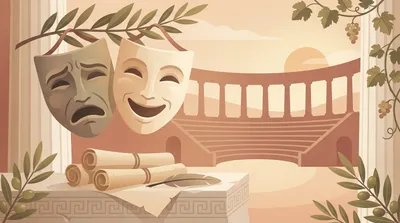
Greek Theater Tragedy Comedy Playwrights
Step into the world of Dionysian festivals and the great Athenian stage. This quiz explores Greek theater through tragedy, comedy, and the playwrights who shaped them - from Aeschylus and Sophocles to Aristophanes and beyond. Expect a mixed-difficulty run that rewards both big-picture context and close reading of famous works.
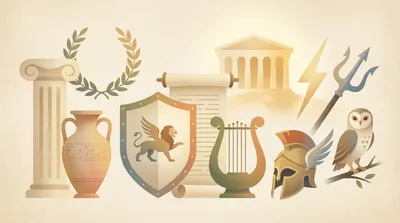
Greek Mythology Gods And Heroes
Step into the world of Olympian gods, legendary heroes, and epic monsters. This mixed-difficulty quiz spans famous myths, family trees, symbols, and key adventures from Classical Greece. Choose your preferred question count and difficulty, then test how well you can match names to stories.

Oracles and divination in Greece
Step into the world of Greek prophecy, sacred signs, and ritual consultation. This quiz explores major oracles like Delphi and Dodona, everyday divination practices, and how Greeks interpreted omens in politics, war, and private life. Expect a mix of myth, religion, and historical detail.

Daily life in Athens and Sparta
Step into the streets, homes, and training grounds of Classical Greece with a focused look at Athens and Sparta. Compare how citizens learned, worked, worshipped, and prepared for war. Expect a mixed-difficulty set that rewards careful reading and solid context.
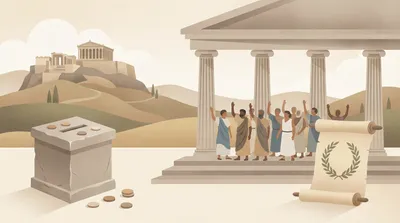
Athenian Democracy Institutions And Offices
Step into the machinery of Athenian democracy and test how well you know its institutions, offices, and procedures. From the Ekklesia and Boule to magistrates and popular courts, this quiz checks both key terms and how the system worked in practice. Choose your preferred question count and difficulty, then learn as you go with instant feedback.