Ziggurats: architecture and civic function
Step into the monumental world of Mesopotamian ziggurats and learn how these tiered temples shaped city life. This mixed-difficulty quiz explores architecture, construction, patronage, and civic roles...
Start Quiz
Pick a difficulty and question count to begin.
About this quiz
What this ziggurat quiz covers
Ziggurats were more than impressive skylines - they were civic statements, sacred platforms, and anchors of urban identity in Mesopotamia. You’ll review how form, materials, and city planning connected to religious and administrative life.
Each question has 4 options and there’s no timer, so you can focus on careful reading and comparison. Set your question count and choose an easier or harder difficulty if you want a quick refresher or a deeper test.
Skills you’ll practice
You’ll practice identifying key architectural features (terraces, stairways, temple summit), linking buildings to rulers and city-states, and distinguishing what we know from archaeology versus later textual traditions.
Common pitfalls to avoid
A frequent mistake is treating ziggurats like Egyptian pyramids in purpose or interior design, or assuming every ziggurat functioned the same across periods. Another trap is mixing up famous sites (Ur, Uruk, Babylon, Dur-Kurigalzu) or overstating evidence for rituals that aren’t securely documented.
How the difficulty stays balanced
The mixed setting blends straightforward ID questions with interpretation-based items about civic function, symbolism, and historical context. As you increase difficulty, you’ll see more close distinctions (dynasties, building phases, and terminology) rather than random trivia.
- Recognize core parts of ziggurat design and typical building materials (mudbrick vs baked brick)
- Connect ziggurats to city-state governance, temple economies, and public labor
- Compare major Mesopotamian sites and their monumental programs
- Avoid pyramid/ziggurat confusion and other cross-civilization mix-ups
- Use clues in dates, rulers, and inscriptions to narrow down answers
Sample questions
What is a ziggurat primarily used for?
- A.Religious worship and civic activities
- B.Residential housing
- C.Military defense
- D.Agricultural storage
Which civilization is known for building ziggurats?
- A.Sumerians
- B.Egyptians
- C.Minoans
- D.Phoenicians
What distinctive feature characterizes the design of ziggurats?
- A.Stepped levels
- B.Round domes
- C.Flat roofs
- D.Tall spires
Quiz FAQ
How many questions are in this quiz?
This quiz has 110 questions on ziggurat architecture and civic function.
Is there a timer or any speed pressure?
No. The quiz has no timer, so you can answer at your own pace.
What answer format does the quiz use?
Every question is multiple-choice with 4 options.
Can I choose the difficulty and number of questions?
Yes. You can select your preferred question count and adjust difficulty before starting.
What’s the biggest mistake people make on ziggurats?
Many confuse ziggurats with Egyptian pyramids or assume they had the same purpose and internal layout.
Play this quiz in another language(7)
Related Quizzes
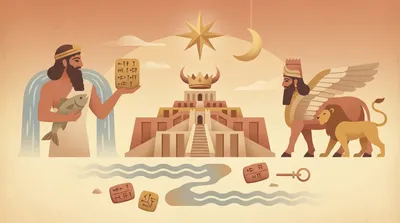
Gods and Myths of Mesopotamia
Journey through the gods, heroes, and monsters of ancient Mesopotamia - from Enlil and Inanna to the Epic of Gilgamesh. This mixed-difficulty quiz blends quick facts with deeper myth connections, so you can test what you know and learn what you missed along the way.
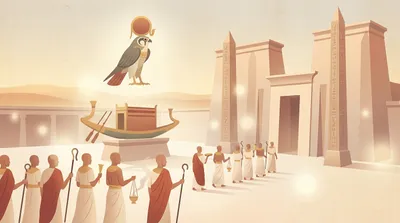
Egyptian Temples and Priesthood Roles
Step inside ancient Egypt’s sacred precincts and explore how temples worked day to day. This quiz covers priestly ranks, rituals, offerings, and the political economy behind major cult centers. Expect a mixed-difficulty set that rewards careful reading and solid historical context.
Akkadian Empire: Sargon and successors
Step into the world of the Akkadian Empire and track how Sargon built power - and how his successors tried to hold it together. This mixed-difficulty quiz explores key rulers, campaigns, administration, and the empire’s legacy across Mesopotamia. Choose your preferred length and difficulty, then test what you really remember.
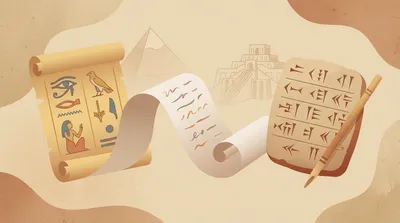
Hieroglyphs, Cuneiform, and Writing Systems
Trace how ancient people recorded language, power, and trade through signs and symbols. This quiz mixes Egyptian hieroglyphs with Mesopotamian cuneiform and other early writing systems, from materials and tools to how scripts evolved. Expect a blend of quick ID questions and deeper context checks.
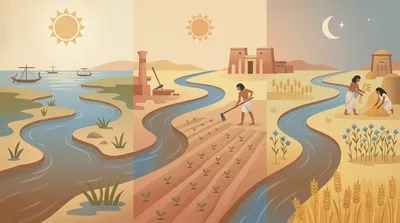
Nile Agriculture and Flood Calendar
Step into the rhythm of ancient Egypt by exploring how the Nile’s floods shaped farming, labor, and the yearly calendar. This mixed-difficulty quiz covers seasons, crops, tools, and administration tied to predictable inundation. Choose your preferred question count and difficulty, then answer each item with 4 options and no timer.
Egyptian dynasties: Old, Middle, and New
Trace the rise and fall of Egypt’s Old, Middle, and New Kingdoms through rulers, reforms, wars, and cultural milestones. This mixed-difficulty quiz helps you connect dynasties to key events, monuments, and timelines. Choose your preferred question count and difficulty, then test your recall with 4-option questions and no timer.