Babylon under Nebuchadnezzar II
Step into the Neo-Babylonian Empire at its height and explore Babylon under Nebuchadnezzar II. This mixed-difficulty quiz spans rulers, wars, building projects, religion, and daily life. Choose your p...
Start Quiz
Pick a difficulty and question count to begin.
About this quiz
What you’ll explore in this quiz
Nebuchadnezzar II’s reign sits at the center of Mesopotamian history, where imperial politics, monumental building, and temple life all intersect. Expect questions that connect Babylon’s power to its geography, economy, and religious institutions.
Every question uses 4 options and there’s no timer, so you can read closely and think through evidence-based choices. Before you start, pick the question count and a difficulty setting - mixed mode blends easier recall with tougher interpretation.
Skills you’ll practice
You’ll sharpen your ability to place events in sequence, identify key figures and sites, and distinguish later legends from what sources actually support. The quiz also trains careful reading, since many items hinge on one precise detail (a date range, a title, or a location).
Common pitfalls (and how to avoid them)
Many learners mix up Assyrian and Neo-Babylonian rulers, or assume every famous monument is securely dated to Nebuchadnezzar II. Watch for similar-sounding names, shifting capitals, and terms that change meaning across periods.
Difficulty balance and quiz tips
Difficulty is balanced by mixing straightforward facts (major campaigns, prominent buildings, key deities) with higher-challenge questions that test context and cause-and-effect. If you’re new to the topic, start with fewer questions or an easier setting; if you’re revising, increase the count and keep difficulty on mixed for broad coverage.
- Identify major building programs and what they signaled politically and religiously
- Separate Neo-Babylonian history from Assyrian precedents and later retellings
- Track campaigns, vassal relations, and how empire management worked
- Recognize core terms (temple roles, royal titles, city gates, inscriptions)
- Improve elimination strategy across 4-option multiple choice questions
- Build confidence by scaling question count and difficulty to your study goal
Sample questions
Which king is known for the construction of the Hanging Gardens of Babylon?
- A.Nebuchadnezzar II
- B.Hammurabi
- C.Sennacherib
- D.Ashurbanipal
What was the primary language spoken in Babylon during the reign of Nebuchadnezzar II?
- A.Akkadian
- B.Sumerian
- C.Aramaic
- D.Hebrew
In which modern-day country was ancient Babylon located?
- A.Iraq
- B.Syria
- C.Iran
- D.Turkey
Quiz FAQ
How many questions are in this quiz?
This quiz has 187 questions covering various aspects of Babylon under Nebuchadnezzar II.
Is there a timer on the questions?
No. The quiz has no timer, so you can take your time with each 4-option question.
Can I choose the number of questions I answer?
Yes. You can select your preferred question count before starting, depending on how long you want to practice.
What difficulty level should I pick for mixed difficulty?
Mixed blends easier recall with tougher context questions. If you’re new, start easier or with fewer questions, then scale up.
What topics are included besides battles and kings?
Along with politics and campaigns, you’ll see items on temples, inscriptions, major building works, and Babylonian society.
Related Quizzes
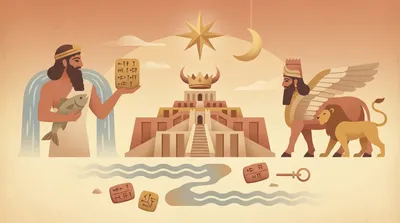
Gods and Myths of Mesopotamia
Journey through the gods, heroes, and monsters of ancient Mesopotamia - from Enlil and Inanna to the Epic of Gilgamesh. This mixed-difficulty quiz blends quick facts with deeper myth connections, so you can test what you know and learn what you missed along the way.
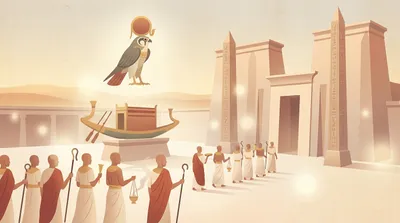
Egyptian Temples and Priesthood Roles
Step inside ancient Egypt’s sacred precincts and explore how temples worked day to day. This quiz covers priestly ranks, rituals, offerings, and the political economy behind major cult centers. Expect a mixed-difficulty set that rewards careful reading and solid historical context.
Akkadian Empire: Sargon and successors
Step into the world of the Akkadian Empire and track how Sargon built power - and how his successors tried to hold it together. This mixed-difficulty quiz explores key rulers, campaigns, administration, and the empire’s legacy across Mesopotamia. Choose your preferred length and difficulty, then test what you really remember.
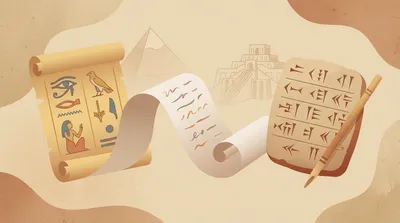
Hieroglyphs, Cuneiform, and Writing Systems
Trace how ancient people recorded language, power, and trade through signs and symbols. This quiz mixes Egyptian hieroglyphs with Mesopotamian cuneiform and other early writing systems, from materials and tools to how scripts evolved. Expect a blend of quick ID questions and deeper context checks.
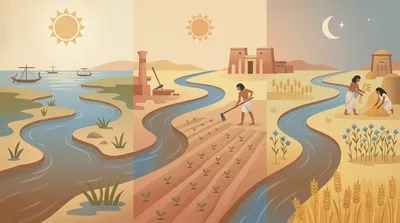
Nile Agriculture and Flood Calendar
Step into the rhythm of ancient Egypt by exploring how the Nile’s floods shaped farming, labor, and the yearly calendar. This mixed-difficulty quiz covers seasons, crops, tools, and administration tied to predictable inundation. Choose your preferred question count and difficulty, then answer each item with 4 options and no timer.
Ziggurats: architecture and civic function
Step into the monumental world of Mesopotamian ziggurats and learn how these tiered temples shaped city life. This mixed-difficulty quiz explores architecture, construction, patronage, and civic roles across Sumer, Akkad, Babylon, and Assyria. Choose your preferred question count and difficulty to study casually or challenge yourself.