Byzantine law: codes and courts
Step into the legal world of the Byzantine Empire, from imperial law codes to the courts that applied them. This mixed-difficulty quiz explores key compilations, institutions, and legal ideas that sha...
Start Quiz
Pick a difficulty and question count to begin.
About this quiz
What you’ll explore
Byzantine law wasn’t just theory - it was a working system of codes, judges, and procedures that held an empire together. This quiz focuses on major compilations, court structures, and the legal vocabulary that appears in Byzantine history.
Each question comes with 4 options and there’s no timer, so you can read carefully and think through close-looking choices. Before you start, pick the question count you want and set the difficulty to match your comfort level (or keep it mixed for a broader challenge).
Skills you’ll practice
You’ll sharpen your ability to connect legal texts to emperors, dates, and purposes, while also distinguishing institutions that sound similar. Expect practice in identifying what a code aimed to do, who used it, and how courts and officials fit into the administrative machine.
Common pitfalls to avoid
Many players mix up similarly named compilations, assume later reforms replaced earlier ones entirely, or confuse legal theory with courtroom practice. Watch for “almost true” options that swap an emperor, a century, or a legal genre.
How difficulty is balanced
Mixed difficulty blends straightforward identification questions with deeper prompts about context and function. Easier items help you build momentum, while harder ones test fine distinctions and historical sequencing without requiring speed.
- Identify major Byzantine legal compilations and their purposes
- Distinguish court roles, officials, and administrative jurisdictions
- Practice timeline awareness (who issued what, and when)
- Spot tricky distractors that swap similar terms or titles
- Reinforce key concepts through varied question styles across the set
Sample questions
What was the primary legal code established under Emperor Justinian I?
- A.Corpus Juris Civilis
- B.Twelve Tables
- C.Code Napoléon
- D.Lex Mercatoria
Which title was given to the head of the Byzantine legal system?
- A.Praetor
- B.Consul
- C.Magistrate
- D.Dux
What was the role of the 'Qadi' in Byzantine law?
- A.Islamic judge
- B.Roman senator
- C.Military leader
- D.Religious authority
Quiz FAQ
How many questions are in this quiz?
This quiz has 120 questions on Byzantine law codes, courts, and legal institutions.
What format are the questions in?
Every question is multiple-choice with 4 options, and there is no timer.
Can I choose the number of questions and difficulty?
Yes. Select your preferred question count and set difficulty before starting, or keep it on mixed for variety.
What topics are included under codes and courts?
You’ll see major law compilations, legal terminology, court structures, officials, and how law functioned in the empire.
What are common mistakes players make on this quiz?
Common pitfalls include confusing similarly named codes, mixing up emperors and dates, and treating legal ideals as actual courtroom procedure.
Play this quiz in another language(7)
Related Quizzes
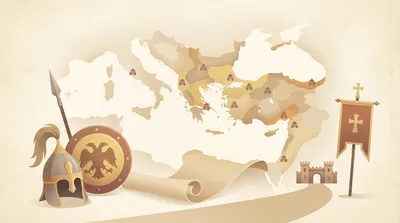
Themes, Tagmata, and Byzantine Army
Test how well you know the military-administrative system of the Byzantine Empire, from Themes and Tagmata to recruitment and command. Questions range from basic definitions to deeper details about reforms, units, and strategy. Choose your preferred difficulty and question count, then play at your own pace with no timer.

The Great Schism: causes and aftermath
Trace how theological disputes, political rivalry, and cultural friction split Eastern and Western Christianity. This quiz explores the lead-up to 1054, the key figures and flashpoints, and the long-term consequences for Byzantium and Latin Europe. Expect a mixed set that moves from core facts to deeper context.
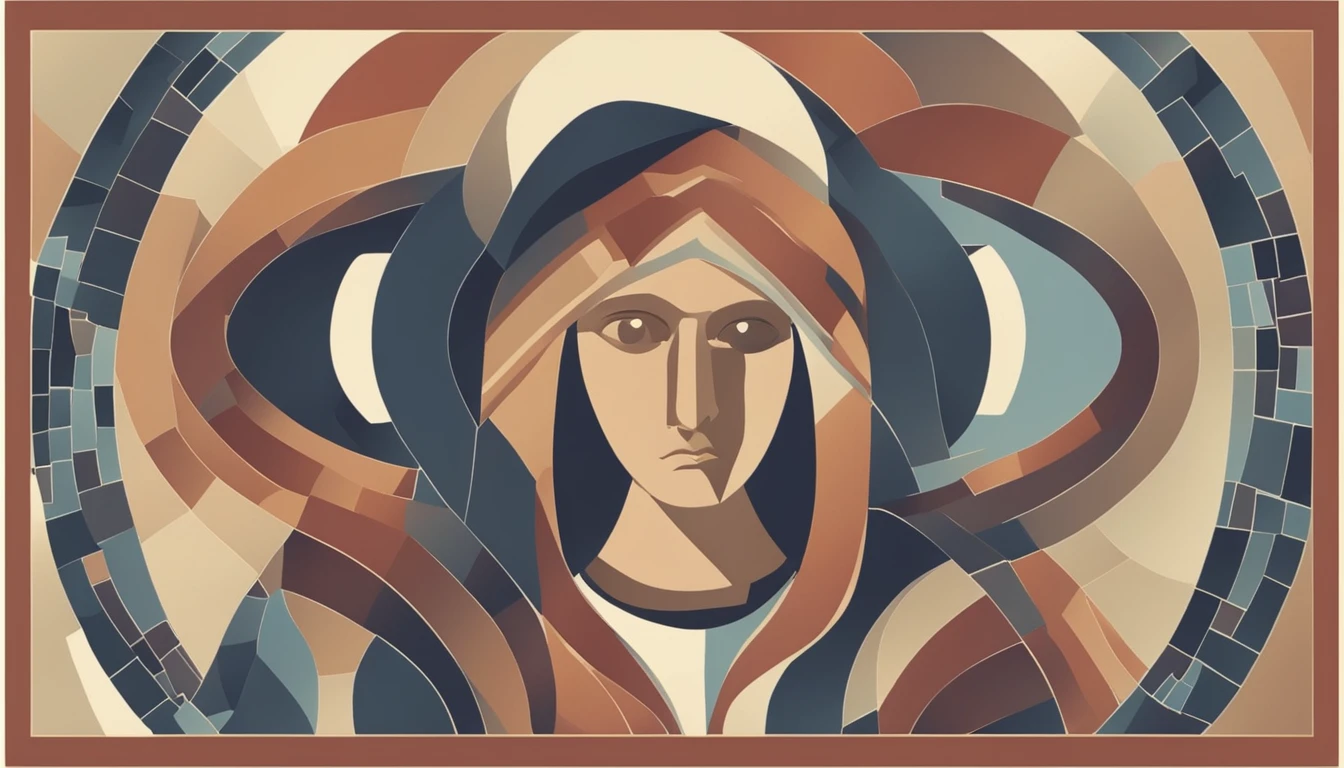
Byzantine art: mosaics, icons, and churches
Step into the world of Byzantine art through shimmering mosaics, sacred icons, and monumental church design. This mixed-difficulty quiz covers key sites, styles, symbolism, and historical context from late antiquity through the empire’s later centuries. Choose your preferred question count and difficulty, then test what you know with calm, no-timer play.
Themes: provinces, taxes, and governors
Step into the administrative world of the Byzantine Empire and test what you know about themes, provincial governance, and taxation. Questions range from basic definitions to tricky distinctions between offices and fiscal terms. Choose how many questions you want and set the difficulty that fits your study goals - then play at your own pace.
Court ceremony: titles, rituals, and power
Step into the world of Byzantine court ceremony, where titles, rituals, and protocol shaped real political power. This quiz explores offices, rankings, public processions, and the symbolism of dress and space. Expect a mix of straightforward identifications and deeper context questions across the empire’s changing traditions.
Constantinople: walls, sieges, and survival
Test your knowledge of Constantinople’s defenses, famous sieges, and the city’s long fight for survival. From the Theodosian Walls to naval blockades and last-ditch diplomacy, this mixed-difficulty quiz spans centuries of Byzantine strategy and resilience. Choose your preferred question count and difficulty, then play at your own pace.