Egyptian army: chariots, ranks, and campaigns
Step into the world of Egypt’s armies - from early levies to New Kingdom chariot corps - and test what you know about ranks, weapons, and famous campaigns. Questions range from basic terminology to de...
Start Quiz
Pick a difficulty and question count to begin.
About this quiz
What this quiz covers
From chariot warfare and battlefield organization to pharaoh-led expeditions, this quiz explores how Egyptian armies were raised, equipped, and deployed across key periods.
You’ll see a mixed set of questions touching on ranks and roles, logistics and supplies, enemy powers, and how military needs shaped politics and diplomacy.
Format and difficulty settings
Each question has 4 options and there’s no timer, so you can focus on careful reading rather than speed.
Choose your question count before starting to control the session length, and pick an easier or harder difficulty if you want a lighter review or a deeper dive; “Mixed” blends both for balanced practice.
Skills you’ll practice
- Identifying Egyptian military ranks, units, and command structure
- Recognizing chariot tactics, archery use, and combined-arms patterns
- Placing major campaigns in the right rulers, regions, and rivals
- Distinguishing Old/Middle/New Kingdom military changes and innovations
- Interpreting common terms, titles, and army organization clues
Common pitfalls (and how to avoid them)
Many misses come from mixing up dynasties, confusing similarly named rulers, or assuming later New Kingdom chariot tactics existed unchanged in earlier periods.
Another frequent trap is overgeneralizing “Egypt vs. everyone”; pay attention to specific opponents, theaters of war, and why a campaign happened (trade routes, borders, vassals, or prestige).
How the challenge stays fair
Difficulty is balanced by combining straightforward recall (names, roles, equipment) with a smaller set of context-heavy questions that reward linking geography, chronology, and strategy.
Because there’s no timer, you can treat tougher items as learning prompts - use the answer choices to eliminate close distractors and build stronger mental timelines.
Sample questions
Which rank in ancient Egyptian military was responsible for leading troops into battle?
- A.General
- B.Private
- C.Sergeant
- D.Lieutenant
What was the primary material used for making chariot wheels in ancient Egypt?
- A.Wood
- B.Stone
- C.Metal
- D.Plastic
Who was the pharaoh known for leading military campaigns into Nubia?
- A.Thutmose III
- B.Ramses II
- C.Akhenaten
- D.Seti I
Quiz FAQ
How many questions are in this quiz?
This quiz has 191 questions on Egyptian chariots, ranks, and campaigns.
Is the quiz timed?
No. Every question has 4 options and there is no timer.
Can I choose how long the quiz is?
Yes - select the question count before you start to set a shorter or longer run.
What difficulty should I pick if I'm new to the topic?
Start with an easier setting for core facts, then move up; Mixed is best for broad practice across levels.
What are the most common mistakes players make here?
Mixing up dynasties and rulers, and applying New Kingdom chariot tactics to earlier periods are the most frequent slip-ups.
Play this quiz in another language(7)
Related Quizzes
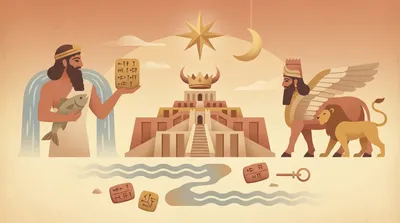
Gods and Myths of Mesopotamia
Journey through the gods, heroes, and monsters of ancient Mesopotamia - from Enlil and Inanna to the Epic of Gilgamesh. This mixed-difficulty quiz blends quick facts with deeper myth connections, so you can test what you know and learn what you missed along the way.
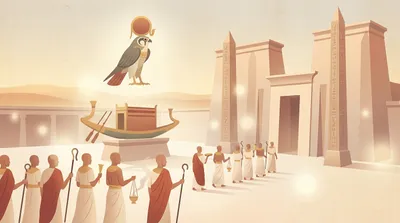
Egyptian Temples and Priesthood Roles
Step inside ancient Egypt’s sacred precincts and explore how temples worked day to day. This quiz covers priestly ranks, rituals, offerings, and the political economy behind major cult centers. Expect a mixed-difficulty set that rewards careful reading and solid historical context.
Akkadian Empire: Sargon and successors
Step into the world of the Akkadian Empire and track how Sargon built power - and how his successors tried to hold it together. This mixed-difficulty quiz explores key rulers, campaigns, administration, and the empire’s legacy across Mesopotamia. Choose your preferred length and difficulty, then test what you really remember.
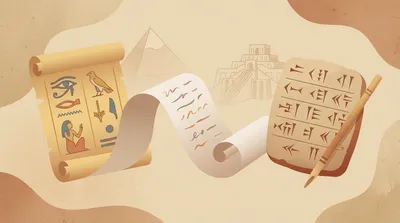
Hieroglyphs, Cuneiform, and Writing Systems
Trace how ancient people recorded language, power, and trade through signs and symbols. This quiz mixes Egyptian hieroglyphs with Mesopotamian cuneiform and other early writing systems, from materials and tools to how scripts evolved. Expect a blend of quick ID questions and deeper context checks.
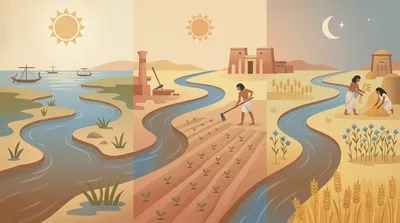
Nile Agriculture and Flood Calendar
Step into the rhythm of ancient Egypt by exploring how the Nile’s floods shaped farming, labor, and the yearly calendar. This mixed-difficulty quiz covers seasons, crops, tools, and administration tied to predictable inundation. Choose your preferred question count and difficulty, then answer each item with 4 options and no timer.

Ziggurats: architecture and civic function
Step into the monumental world of Mesopotamian ziggurats and learn how these tiered temples shaped city life. This mixed-difficulty quiz explores architecture, construction, patronage, and civic roles across Sumer, Akkad, Babylon, and Assyria. Choose your preferred question count and difficulty to study casually or challenge yourself.