Trace the shifting puzzle of Oceania’s tectonic plates, microplates, and major fault systems. This mixed-difficulty quiz checks how well you can place boundaries, identify plate interactions, and link faults to regional seismic and volcanic activity. Pick your preferred question count and difficulty, then learn as you go with clear, multiple-choice prompts.

Explore how climate zones shape Oceania’s landscapes, from tropical rainforests to arid deserts and alpine regions. This mixed-difficulty quiz tests your ability to match places with biomes, rainfall patterns, and seasonal winds. Choose your preferred question count and difficulty, then answer with 4 options per question—no timer, just pure geography practice.

Chart your way across Oceania’s waters by identifying key seas, gulfs, and straits around Australia, New Zealand, and the Pacific islands. Questions range from familiar passages to lesser-known inlets, so you can build both confidence and precision. Pick your preferred question count and difficulty, then learn as you go with no timer pressure.

Chart your way around North America’s surrounding waters, from iconic gulfs to lesser-known bays. This mixed-difficulty quiz helps you connect names to locations and nearby coasts. Pick your preferred question count and difficulty, then answer each question with four options and no timer.
Explore how latitude, elevation, oceans, and air masses shape North America’s climate zones and biomes. Identify where deserts, prairies, temperate forests, taiga, tundra, and Mediterranean climates occur—and why. A mixed-difficulty set that’s great for students, travelers, and geography fans.

Explore North American lakes from the Great Lakes to remote alpine waters. This mixed-difficulty quiz blends geography, names, locations, and fun facts across the U.S., Canada, and beyond. Pick your preferred question count and difficulty, then test what you really know about the continent’s iconic shorelines.

Sharpen your ability to interpret theme in short passages using clear, text-based evidence. You’ll read brief excerpts and choose the best statement of what the text suggests about life, people, or society. With mixed difficulty, it’s a solid fit for both quick practice and deeper skill-building.
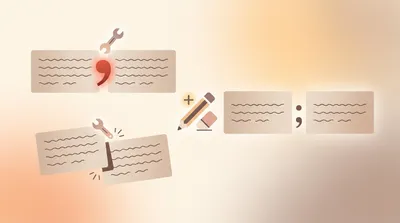
Comma splices and run-on sentences can make strong writing feel confusing. In this quiz, you’ll spot the problem and choose the best fix, from adding the right punctuation to rewriting for clarity. Pick your preferred question count and difficulty, then practice with mixed, real-world examples.

Sharpen your grammar eye by spotting parts of speech inside real sentences. You’ll identify nouns, verbs, adjectives, adverbs, pronouns, prepositions, conjunctions, and interjections in context. With mixed difficulty, it’s great for quick practice or deeper review.

Test your understanding of acids and bases with questions on pH, pOH, Ka/Kb ideas, and neutralization. You’ll practice quick calculations, concept checks, and reaction reasoning from mixed difficulty. Pick a question count and difficulty level that fits your study session, then learn from instant feedback.
Strengthen your stoichiometry skills with mole-to-mole and mass conversion practice based on balanced chemical equations. Work through mixed-difficulty questions that build confidence with ratios, molar mass, and unit setup. Pick how many questions you want and the difficulty level, then learn from each attempt—no timer pressure.

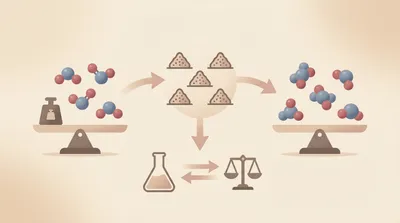
Get faster and more accurate at balancing chemical equations using coefficients. You’ll practice conserving atoms, spotting polyatomic ions, and scaling reactions cleanly. Choose your preferred question count and difficulty, then work at your own pace with no timer.

Map the world with confidence in this mixed-difficulty geography quiz on continents, oceans, and major regions. You’ll review core global layout facts and sharpen quick recognition of where places belong. Choose your preferred question count and difficulty, then answer each question with 4 options and no timer.

Identify mountains, plains, deltas, islands, and major water bodies with this Geography Basics quiz. Each question asks you to match a landform or water feature to its description or example. With mixed difficulty, it’s great for both quick revision and deeper practice.

Learn how latitude and longitude work and how to read coordinates on a map. This mixed-difficulty quiz covers hemispheres, degrees/minutes/seconds, and locating places using grid lines. Choose your preferred question count and difficulty, then practice with no timer and four answer options per question.

Trace how energy moves through living systems by comparing photosynthesis and cellular respiration. You’ll connect chloroplast and mitochondria processes, follow carbon and oxygen cycling, and interpret key equations and graphs. Choose your preferred question count and difficulty to match quick review or full-unit practice.

Test your understanding of Mendel’s laws with monohybrid and dihybrid crosses, from basic dominance to independent assortment. Work through genotype/phenotype ratios, Punnett squares, and probability questions with a mix of straightforward and multi-step problems. Choose how many questions you want and the difficulty level to match your study goals.

Move beyond memorizing definitions and test how substances actually cross cell membranes. This mixed-difficulty quiz covers diffusion, osmosis, facilitated transport, and active pumps with scenarios and data-style questions. Choose how many questions you want and the difficulty level, then practice at your own pace with no timer.

Step into three puzzle worlds—time, space, and nature—packed into one mixed-difficulty challenge. Each question tests how well you spot patterns, logic links, and themed clues across different styles. Pick your preferred length and difficulty, then see how consistently you can solve across all three packs.

Step into a choose-your-path puzzle pack where every decision changes what comes next. This mixed-difficulty quiz blends branching logic, pattern spotting, and narrative clues into bite-size challenges. Pick your question count and difficulty, then see how far your choices can carry you.
Dip into a grab-bag of mini-puzzles designed for quick breaks and fast wins. Expect a mixed blend of logic, patterns, wordplay, and number quirks that keeps you switching gears. Pick your preferred question count and difficulty, then see how many you can solve in one sitting.

Can you solve a puzzle in just two sentences while obeying a strict rule set? This quiz mixes logic, wordplay, and constraint-based thinking where every detail matters. Expect quick scenarios, tight limitations, and satisfying “aha” moments as you test precision and creativity.
Every argument hides something it assumes is true—can you spot it? In this Brain Teasers quiz, you’ll read short claims and pick the unstated premise that makes them “work.” Choose your preferred question count and difficulty, then practice catching the leaps in logic that slip past most readers.

Train your brain to get close fast with quick estimation challenges. Each question asks you to approximate the answer in seconds, not calculate it perfectly. Pick a question count and difficulty that fits your mood, then rely on number sense and smart rounding.

Step into the role of a detective and crack cases using the classic trio: motive, means, and opportunity. Each scenario challenges you to weigh clues, spot inconsistencies, and identify the most likely suspect. With mixed difficulty, you’ll get both quick wins and tougher logic twists.
Step into the role of a detective and reconstruct events from the smallest crime scene details. Each question asks you to decide what happened first based on clues like timing, movement, and cause-and-effect. With mixed difficulty, you’ll face both quick wins and layered scenes that reward careful reading.

Put your detective instincts to the test by checking suspects’ alibis and spotting contradictions. Each question asks you to decide who’s lying based on statements, timelines, and small details. Great for quick reasoning practice or longer case-style sessions.

Know the unspoken rules of the game before you step into the room. This quiz covers escape room etiquette, safety basics, and smart team behavior—from handling props correctly to what to do in an emergency. Expect a mix of easy reminders and tricky scenarios you might actually face.

Step behind the scenes of an escape room and learn what a game master really does. This quiz covers briefing, hinting, safety, resets, and guest management across a mix of easy and challenging scenarios. Pick your preferred question count and difficulty, then test your instincts with no timer pressure.

Keys, padlocks, ciphers, and hidden codes show up in almost every escape room for a reason. This quiz tests how well you recognize common prop types, how they function, and the clues that usually go with them. Expect a mix of quick wins and tricky details across classic escape-room mechanics.

Match famous rugby club names to the domestic leagues they play in, from top-flight competitions to regional divisions. With a mixed difficulty set, you’ll see familiar giants and lesser-known sides across multiple countries. Choose your preferred question count and difficulty, then test your club rugby knowledge at your own pace.

Test how well you know rugby club nicknames and mascots from across the club game. From classic animal emblems to local legends, each question asks you to match the right identity to the right team. Pick your preferred difficulty and question count, then play at your own pace with no timer.

Match Europe’s top rugby clubs to the cities they call home, from famous powerhouses to tricky look‑alikes. With mixed difficulty, you’ll see a blend of well-known teams and lesser-known sides across multiple leagues. Choose your preferred question count and difficulty, then test your rugby geography knowledge at your own pace.

Sharpen your ear for English’s most confusing sound-alike words in this homophones challenge. Each question asks you to pick the correct spelling for the meaning in context. Great for quick refreshers or deep practice with tricky pairs like their/there/they’re and to/too/two.

Climb from one everyday word to another by changing a single letter at a time. This word ladder quiz mixes quick wins with trickier transitions, so you’ll build pattern-spotting skills as you go. Choose your preferred question count and difficulty, then start stepping up.

Unscramble anagrams of famous book titles and author names in this literature-themed word puzzle. With mixed difficulty, you’ll face quick wins and brain-bending letter swaps across classics and modern hits. Pick your preferred question count and challenge level, then solve at your own pace—no timer, just smart deduction.

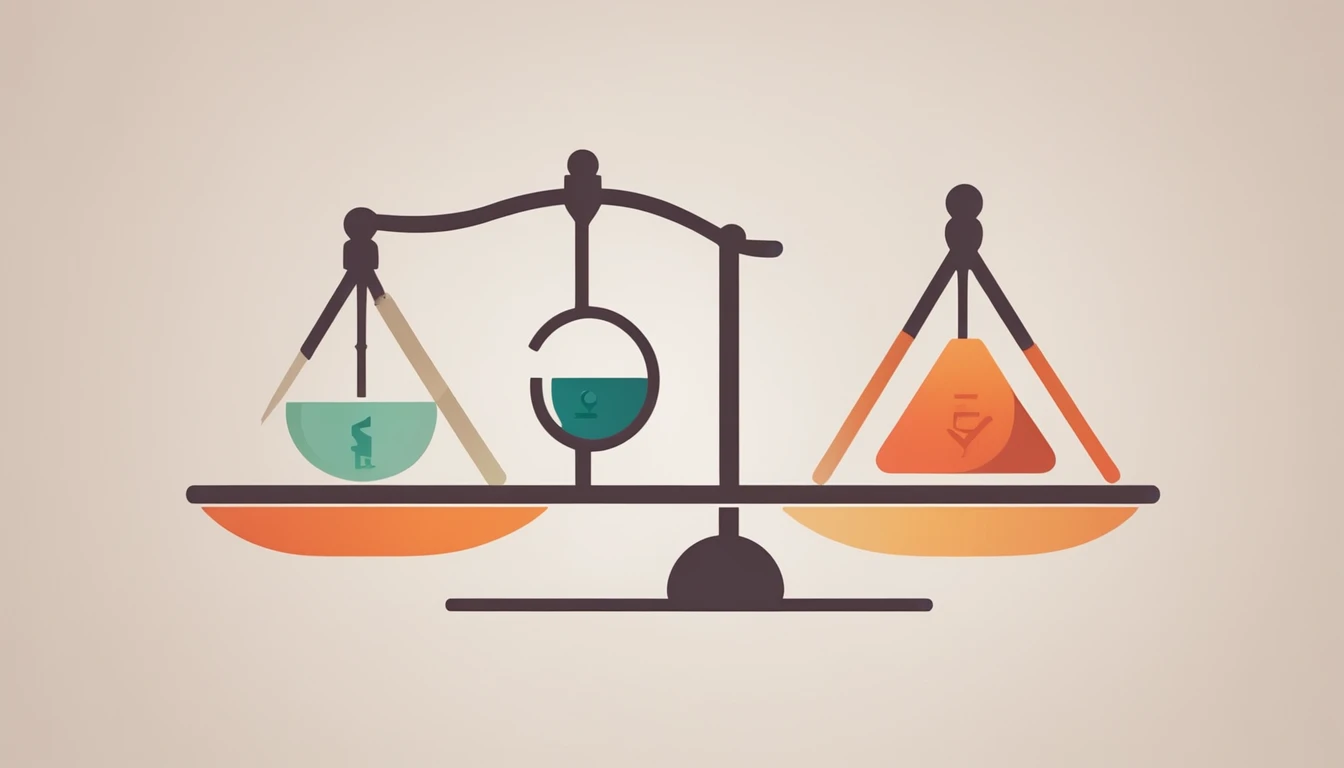
Sharpen your logic with balance scale equation puzzles where every tilt tells a story. You’ll translate visual scales into equations, solve for unknowns, and spot patterns fast. Choose your preferred question count and difficulty, then work at your own pace with no timer.

Sharpen your skills on classic age and time word problems, from “older than” puzzles to clocks and schedules. Each question is designed to help you translate tricky wording into clean equations. Mix quick wins with deeper multi-step challenges as you build speed and accuracy.
Spot the pattern and pick the next number in classic sequence puzzles. This mixed-difficulty set moves from warm-up progressions to trickier multi-step rules, so you can build confidence as you go. Choose your preferred question count and difficulty, then solve at your own pace.

Test your logic with seating arrangement puzzles built around constraint clues like “next to,” “opposite,” and “between.” Each question asks you to deduce the only valid layout from the information given. Mix quick wins with tougher multi-step deductions as you sharpen accuracy and speed of reasoning.
Step into classic truth-teller and liar logic where every statement must fit a consistent world. You’ll test whether sets of claims can all be true, all be false, or only work under specific roles. Expect a mix of quick deductions and multi-step consistency checks.
Test your logic-grid instincts with “who owns what” deduction puzzles. Each question asks you to match people, items, and clues without guessing. Choose how many questions you want and pick an easier or tougher mix to fit your practice session.

Master the tricky Italian particles ci, ne, and si with targeted practice and real sentence contexts. You’ll learn when they replace places, quantities, or “people in general,” and how they behave in pronominal verbs and passive/reflexive forms. Great for clearing up the most common mix-ups in everyday Italian.
Master Italian passato prossimo with essere by choosing the right auxiliary and matching past participles correctly. This mixed-difficulty quiz targets the trickiest verbs (movement, change of state, reflexives) and agreement rules. Pick your preferred question count and difficulty, then practice with 4 options per question and no timer.
Master the Italian definite articles il, lo, and la with real-world noun examples and tricky edge cases. You’ll decide which article fits based on sound and spelling patterns, then reinforce the rule with quick repetition. Mixed difficulty keeps beginners comfortable while still challenging advanced learners.
Master the tricky choice between por and para through real-life Spanish situations, not isolated rules. You’ll see the prepositions in context—reasons, destinations, deadlines, exchanges, and more—so you can choose naturally. Mix quick wins with tougher edge cases as you build confidence.

Spot the clues that tell you when to use the Spanish preterite vs imperfect. You’ll practice time markers, background vs completed actions, and “interruptions” in past narratives. Choose how many questions to answer and the difficulty level, then learn from each explanation as you go.

Master one of Spanish learners’ biggest challenges: when to use ser vs estar in real-life sentences. You’ll work through everyday contexts like identity, location, feelings, and descriptions, with clear multiple-choice practice. Pick how many questions you want and the difficulty level, then learn from each explanation as you go.